


Your Fridge Is Full But You Have Nothing to Eat? This Grocery Strategy May Be the Answer

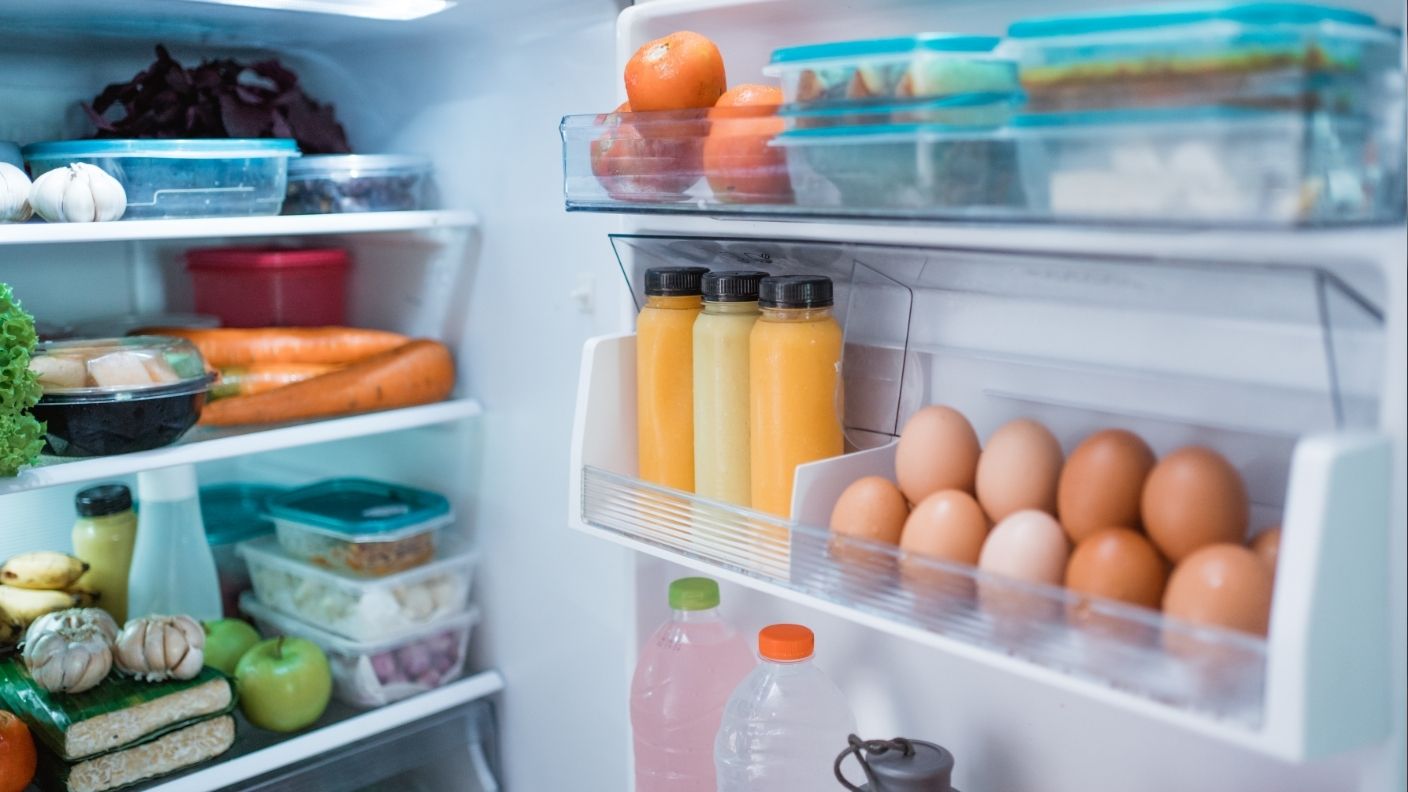

Opening a packed fridge and still feeling like there’s nothing to actually cook is a strangely common contradiction. The fix has less to do with buying more and more to do with buying differently.
The Problem Isn’t What You’re Buying, It’s What You’re Ignoring
Most grocery trips happen out of habit rather than an actual check of what’s already at home. That disconnect is exactly how a fridge ends up stocked with things that don’t add up to a real meal.
Half a bag of spinach, some leftover rice, a container of soup, and a half-used tub of cream cheese can all be sitting there at once. None of it combines into dinner on its own.
A Full Fridge Doesn’t Mean a Usable One
Grocery shopping without checking the fridge first tends to produce random purchases rather than complete meals. It’s how someone ends up with three cans of coconut milk and no actual vegetables to go with them.
Volume isn’t the issue here. A fridge can be genuinely full and still fail to offer a single finishable dish.
Optimism Bias Is Quietly Running the Show
Researchers who study food waste point to something called optimism bias as a big part of the problem. Standing in a well-lit grocery store, it’s easy to imagine cooking that salmon on Tuesday and using an entire bag of spinach across three different meals.
People consistently plan for their best-case week rather than their average one. The gap between the two is exactly where groceries quietly go bad in the back of the fridge.
The Fix Starts Before You Ever Leave the House
The most effective strategy flips the usual order entirely: check the fridge, freezer, and pantry before writing a single item on the list. Some people take a quick photo of the fridge’s contents right before heading out, giving themselves an easy reference to check against while shopping.
That single habit prevents a lot of accidental overlap. It’s far easier to remember there’s already a jar of salsa at home while standing in the aisle than to recall it from memory hours later.
Shop to Fill Gaps, Not to Start From Scratch
Once it’s clear what’s already on hand, the list can be built around what’s actually missing rather than a whole new set of recipes. A good list reuses ingredients across multiple meals instead of requiring five entirely different dishes with five different ingredient sets.
That overlap matters more than most people expect. Monday’s roasted vegetables becoming part of Wednesday’s grain bowl does more to prevent waste than any single clever purchase.
A Five-Minute Habit Keeps It From Happening Again
A short weekly check-in, opening the fridge and building one meal specifically from whatever’s closest to spoiling, keeps small amounts of food from quietly disappearing into the back of a shelf. Some people treat it as a standing appointment right before the next shopping trip.
That habit turns leftover odds and ends into an actual dinner instead of eventual trash. It’s a small routine, but it’s usually enough to break the cycle of a fridge that looks full and still offers nothing to eat.
RELATED ARTICLE: What to Do With Extra Peppers, Tomatoes, and Zucchini
