


What to Do With Extra Peppers, Tomatoes, and Zucchini

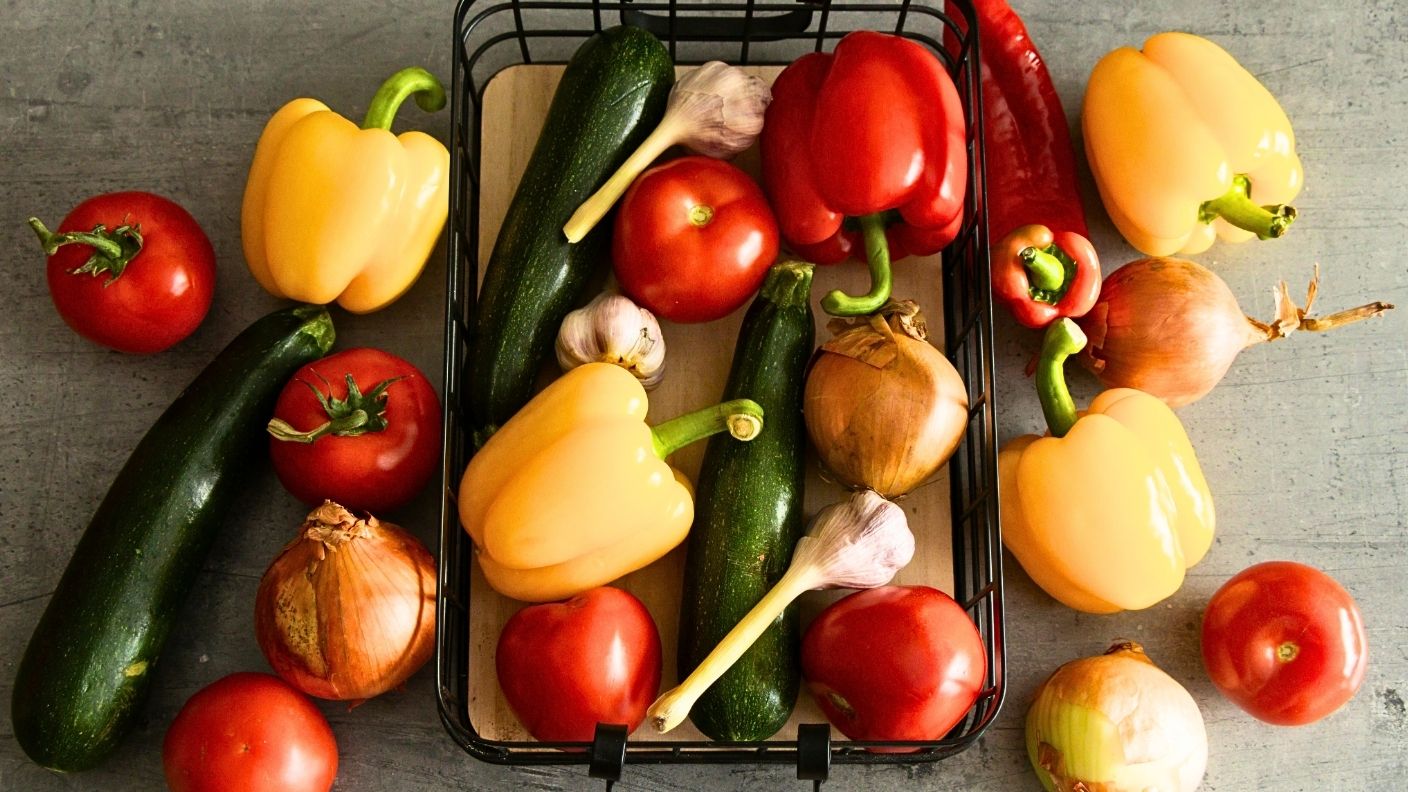

A garden or a big farmers market haul has a way of turning into more peppers, tomatoes and zucchini than anyone can realistically eat before it starts going soft. That kind of overflow is a good problem to have, but it does require an actual plan.
A few reliable approaches can turn that surplus into meals that last well past the current week. Keep reading for the most practical ways to use it all up.
Freeze What You Cannot Use Right Away
Freezing is the simplest way to stop the clock on extra produce before it spoils. Zucchini should be chopped or shredded and blanched briefly first, since raw zucchini turns watery and mushy once thawed without that step.
Peppers are even easier, they can go straight into the freezer sliced or diced with no blanching required at all. Tomatoes freeze well too, either whole after a quick dip in boiling water to loosen the skins, or already turned into sauce, salsa or juice ahead of time.
Turn All Three Into One Big Batch Of Salsa
Salsa is one of the most efficient ways to use peppers, tomatoes and even zucchini in a single batch. Combining peppers with tomatoes, onions and a bit of zucchini or squash creates a flavorful condiment that works on everything from tacos to eggs to a simple bag of chips.
Making a large batch means there is usually enough left over to freeze or can for later, stretching one afternoon of chopping into months of use. It is a genuinely efficient way to use up a mixed harvest instead of tackling each vegetable separately.
Roast Everything Together For An Easy Ratatouille
Roasting is one of the easiest ways to use a big pile of mixed vegetables at once with very little hands on effort. Chopping peppers, tomatoes and zucchini into similar sized pieces, tossing them with olive oil and roasting until soft turns the whole batch into something close to a rustic ratatouille.
That roasted vegetable mix works as a side dish on its own, or gets folded into pasta, grain bowls or an omelet the next morning. Roasted vegetables also freeze well afterward, so a big tray today can turn into several quick meals later in the month.
Quick Pickle Whatever Is Left Over
Refrigerator pickling is one of the fastest ways to preserve extra produce without needing any special canning equipment. Most refrigerator pickle recipes are ready within twenty four hours, using nothing more than vinegar, salt, sugar and whatever spices sound good.
Peppers and zucchini both hold up especially well pickled, keeping a satisfying crunch for weeks in the fridge. It is a low effort option for anyone who does not want to commit to a full canning session just to save a bag of extra vegetables.
Share What You Still Cannot Use
If freezing, cooking and pickling still leave more than one household can handle, sharing is always an option. A basket of extra tomatoes or peppers makes a genuinely welcome gift for neighbors, coworkers or friends who do not have their own garden.
Local food banks and community produce exchanges are also worth checking, since many happily accept fresh, homegrown vegetables. Passing along the extras keeps good food from going to waste and turns a garden surplus into something that benefits more than just one kitchen.
So the next time a counter fills up with more peppers, tomatoes and zucchini than seems possible to use, there is no need to panic or let any of it go to waste. Between the freezer, a pot of salsa and a few jars of quick pickles, a big harvest can realistically stretch for months instead of days.
RELATED ARTICLE: The Tiny Change That Can Make Vegetables Taste Better Without Extra Butter
