


Why Japanese Women Rarely Gain Weight (And the One Food That Plays a Massive Role)

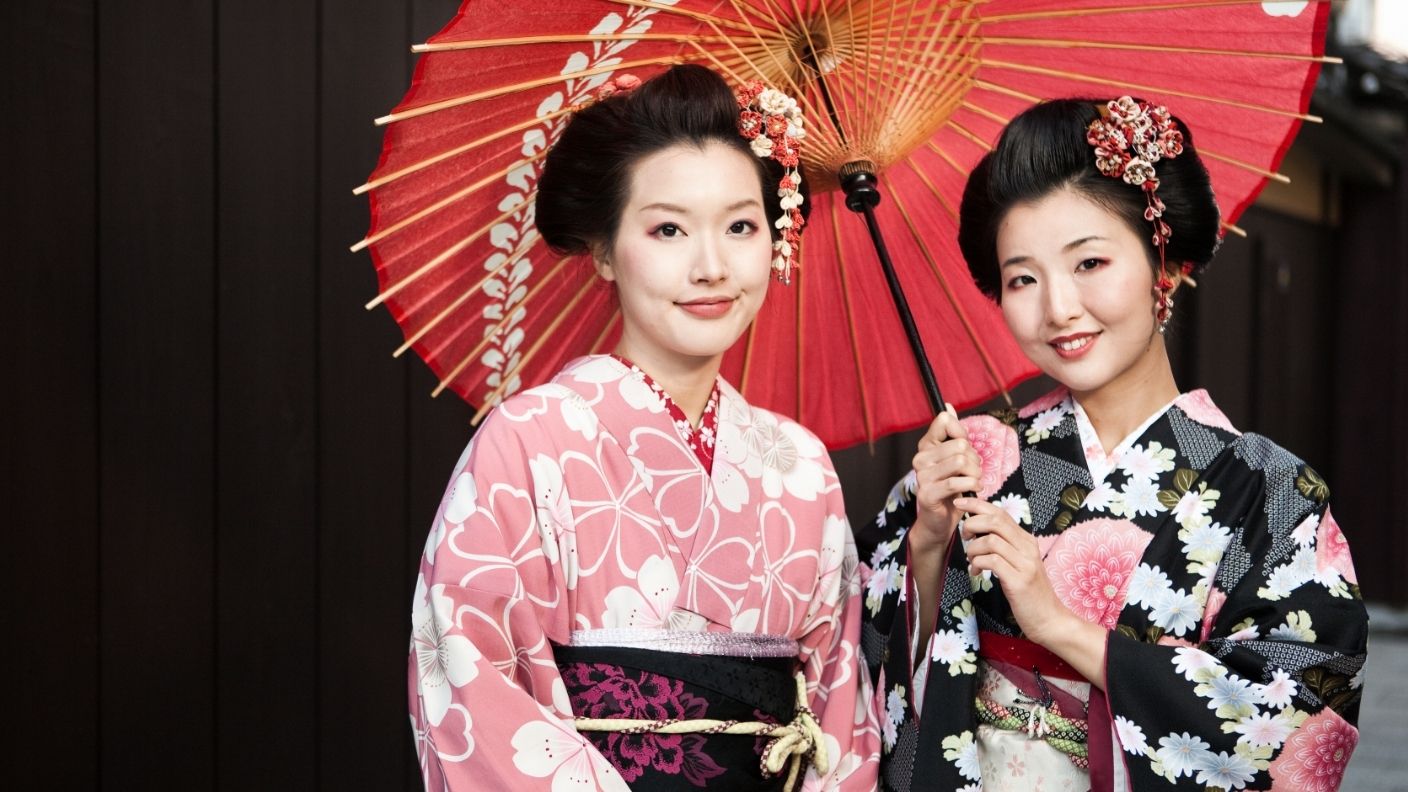

Japan regularly lands at the very bottom of global obesity rankings, and the gap isn’t small. Among OECD countries, Japanese women have the lowest obesity rate of all, sitting at around 3%, while many Western nations report figures ten times higher.
That kind of difference doesn’t come from a single diet trick or a trendy supplement. It comes from a web of everyday habits, and one humble dish quietly ties a lot of them together.
Smaller Portions Are the Default
Portion sizes in Japan tend to be noticeably smaller than what most Americans are used to. A typical rice bowl holds a modest scoop, and restaurant servings rarely arrive piled high enough to share.
Over time, that adds up. Estimates suggest the average person in Japan eats roughly 200 fewer calories a day than the average American, a gap linked to both higher food prices and traditional eating habits.
Meals Come as Many Small Dishes
A classic Japanese meal follows a pattern often described as “one soup, three dishes.” Rice sits alongside a soup, a protein like fish or tofu, and a couple of small vegetable sides.
This setup naturally slows the meal down and spreads the plate across lots of different foods. Instead of one giant portion of pasta or a burger, there’s a little bit of everything, with vegetables taking up real space.
Eating Until Mostly Full
In Okinawa, there’s a well-known saying, “hara hachi bu,” which roughly means eating until about 80 percent full. It’s a gentle reminder to put the chopsticks down before feeling stuffed.
The idea works because fullness signals take time to reach the brain. Stopping a little early leaves room for those signals to catch up, which helps prevent the uncomfortable overeating that happens when a meal goes on autopilot.
Fish and Soy Take Center Stage
The traditional Japanese diet leans heavily on fish, soybean products, seaweed, and rice. Red meat and heavy cream sauces play a much smaller role than they do in many Western kitchens.
Fish brings lean protein and healthy fats, while tofu, edamame, and natto add plant protein and fiber. These foods are filling without being especially calorie-dense, making it easier to eat satisfying meals that don’t tip the scale.
Green Tea Instead of Sugary Drinks
Sweetened sodas and juices are far less common at the Japanese table. Researchers at Japan’s national nutrition institute have pointed to low sugary drink intake as a possible key to the country’s low obesity rates.
Unsweetened green tea fills that gap instead. It’s served with meals, sold cold in vending machines, and sipped throughout the day, delivering flavor and hydration with virtually no calories.
Walking Is Built Into the Day
Owning a car in Japan is expensive, so many people rely on trains, buses, bikes, and their own two feet. That means walking to the station, climbing stairs, and covering a lot of ground without ever calling it exercise.
This kind of steady, everyday movement burns more than it gets credit for. It also doesn’t depend on finding time for the gym, which makes it far easier to keep up year after year.
Thin Isn’t Always the Goal
It’s worth adding some balance here. Japan’s health authorities have raised concerns about the opposite problem, noting that a significant share of women are underweight, which brings its own health risks.
So the lesson isn’t to chase the smallest possible number on the scale. The habits that help most people stay at a healthy weight are the steady, moderate ones, not extreme restriction.
Miso Soup Ties It All Together
If one food deserves extra credit, it’s miso soup. This simple broth of dashi and fermented soybean paste, often with tofu, seaweed, and scallions, shows up at breakfast, lunch, and dinner in many Japanese homes.
Starting a meal with a warm, low-calorie soup takes the edge off hunger and tends to lead to eating less overall. Researchers in Japan have even noted that miso intake has roughly halved since the 1970s, and one animal study linked the higher-miso diet of that era to less fat gain.
That research is still early, and miso soup does carry a fair amount of sodium, so it’s not a magic bowl. But as a daily habit that slows meals down, fills the stomach, and pairs with fish, tofu, and vegetables, it captures the whole Japanese approach in a single cup.
RELATED ARTICLE: Why You Should Never Eat Carbs Alone: The “Food Order” Hack That Stops Fat Accumulation
