

Why You Should Never Eat Carbs Alone: The “Food Order” Hack That Stops Fat Accumulation


Nutrition advice usually argues about what to eat. A smaller, more specific body of research has started arguing about something people rarely think to question: the order it goes in.
The difference turned out to be large enough that researchers at a major medical college built an entire study around it.
The Study That Started the Conversation
Researchers at Weill Cornell Medical College tested the same meal, ciabatta bread, orange juice, chicken, salad, and broccoli, on the same patients twice. The only variable that changed was which part of the meal came first.
The patients involved had type 2 diabetes and were already on medication, making them a group where blood sugar swings carry real consequences. That made the results harder to dismiss as a minor curiosity.
What Changed When the Order Flipped
When vegetables and protein were eaten first, with carbohydrates following fifteen minutes later, glucose levels came in significantly lower across the board. The gap was 29 percent lower at thirty minutes and 37 percent lower at the one-hour mark compared with eating carbs first.
Insulin levels dropped in step with glucose, following the same pattern. Simply reordering three foods already on the plate produced a bigger shift than many people would expect from a supplement or medication tweak.
Why the Body Responds This Way
Fiber and protein eaten first slow how quickly the stomach empties into the small intestine, which in turn slows how fast sugar from carbohydrates enters the bloodstream. A slower entry means a smaller, more manageable spike rather than a sharp rise.
Repeated glucose spikes over months and years are tied to increased fat storage, since the insulin surge that follows a spike is itself a fat-storing signal. Blunting that spike, meal after meal, is where the long-term difference in fat accumulation is thought to come from.
Applying It Without Overhauling Dinner
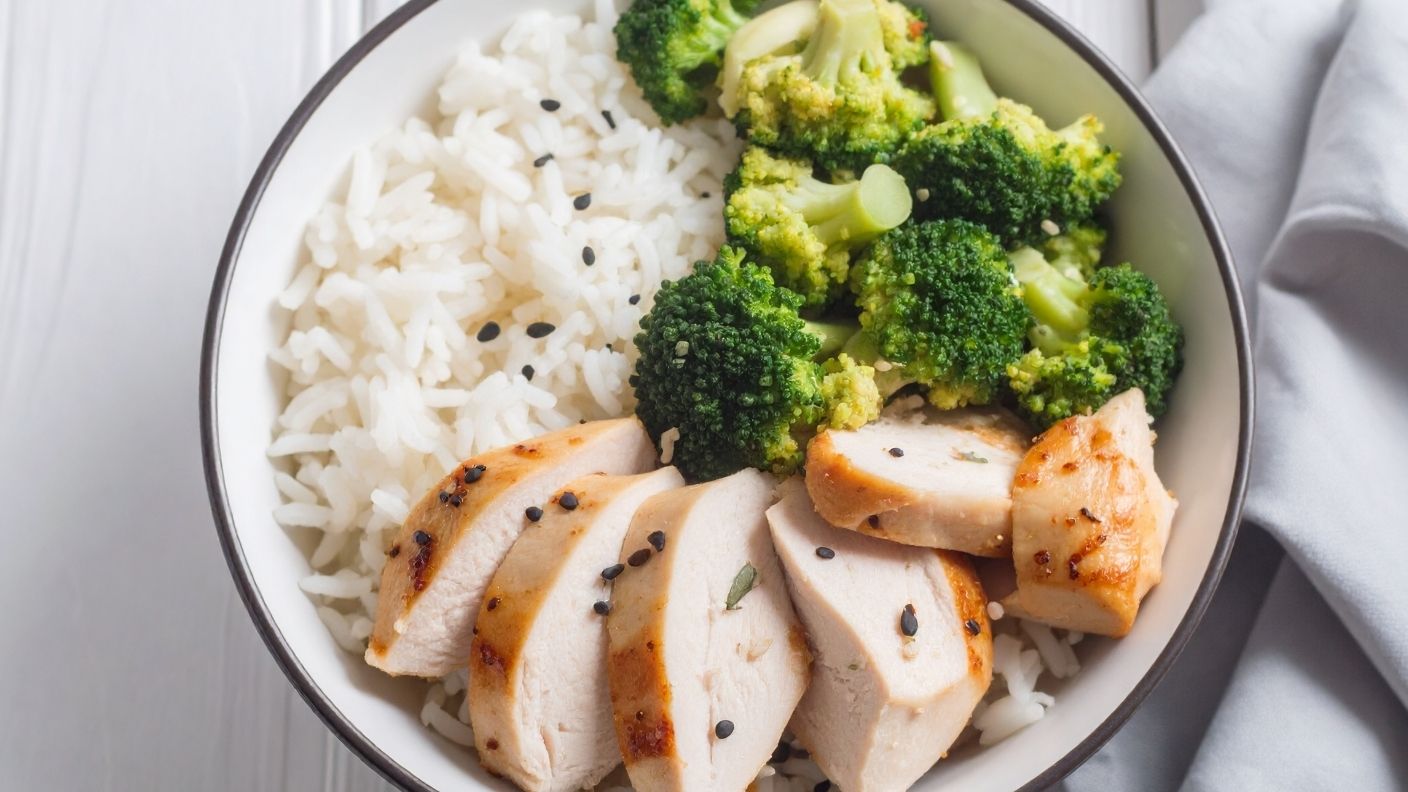
None of this requires eliminating carbohydrates or restructuring a meal from scratch. It just means eating the vegetables and protein on the plate before reaching for the bread, rice, or pasta sitting next to them.
A fifteen-minute gap isn’t strictly necessary for the effect to matter in everyday life, though the original study used one. Simply reaching for the salad fork before the bread basket is often enough to shift the habit in the right direction.
RELATED ARTICLE: 8 Foods That Can Help You Stay Fuller Between Meals
