


Why Eating a Banana 30 Minutes Before Bed Might Be the Key to Your Best Sleep Ever

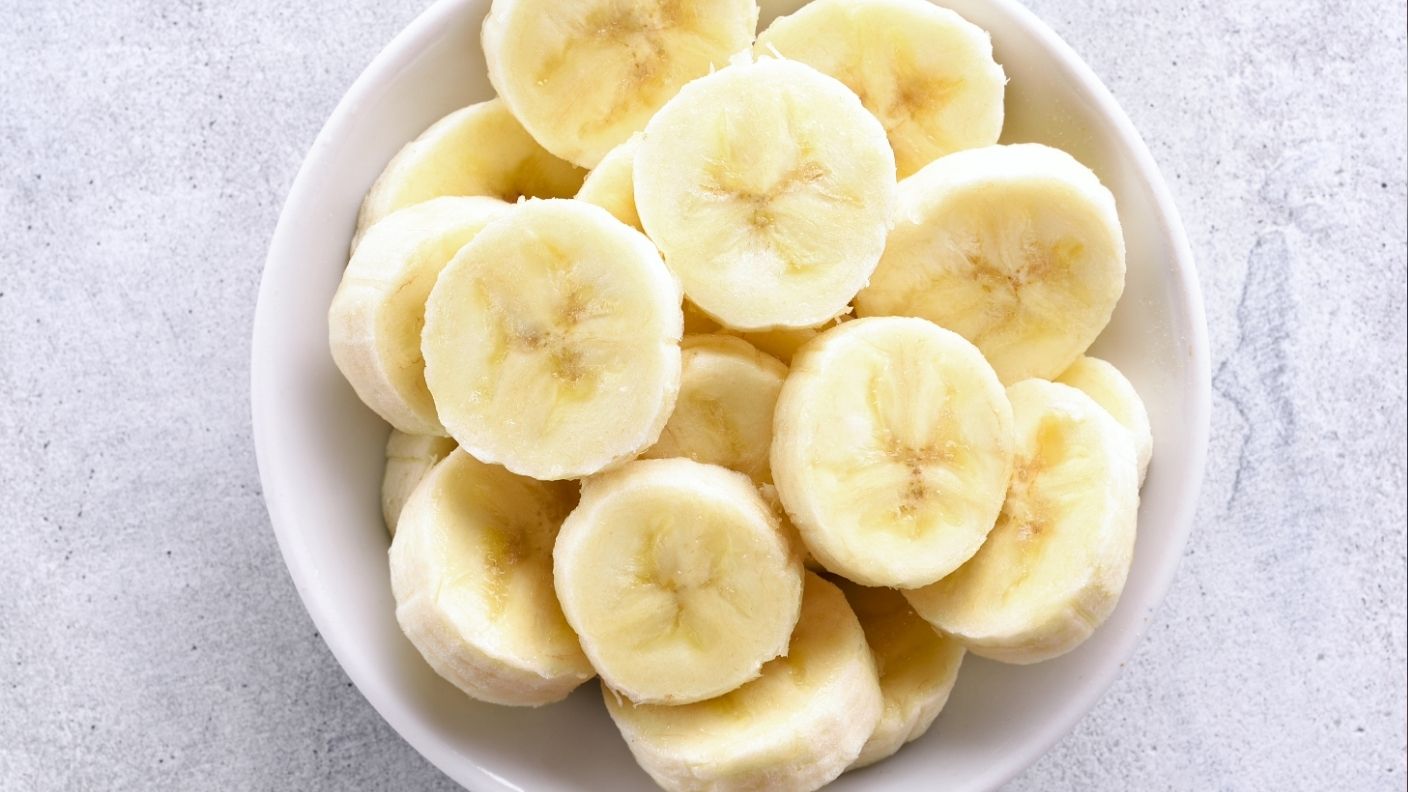

Few things are more frustrating than lying in bed wide awake, watching the minutes tick by. Plenty of people try everything from blackout curtains to white noise machines, hoping something will finally help them drift off faster.
The answer to a better night may be sitting in the fruit bowl. While no single food is a cure for sleepless nights, the simple banana brings a handful of qualities that make it one of the smartest bedtime snacks around.
A Handful of Sleep-Friendly Nutrients
Bananas contain several nutrients linked to relaxation and sleep, including magnesium, potassium, vitamin B6, and the amino acid tryptophan. Each plays a different role in helping the body wind down.
On their own, the amounts in one banana are modest. Together, though, they make it a gentle, easy-to-digest choice for anyone who wants a small snack before turning in.
Magnesium Helps the Body Relax
Magnesium plays a part in calming the nervous system and helping muscles relax. Some research has linked low magnesium intake with poorer sleep quality.
A medium banana provides a small portion of your daily magnesium needs. It won’t fix a deficiency on its own, but it adds to the total from other sources like nuts, seeds, beans, and leafy greens.
Tryptophan Gets a Helping Hand
Tryptophan is the amino acid the body uses to make serotonin, which is later converted into melatonin, the hormone that helps regulate sleep. Bananas contain only a small amount of tryptophan, but they bring vitamin B6, which helps with that conversion process.
The natural carbohydrates in bananas may also help tryptophan reach the brain more easily. That combination is part of why carb-containing snacks are often recommended before bed.
Bananas May Nudge Melatonin Levels
A small study looking at tropical fruits found that eating bananas was linked to higher levels of a melatonin marker in participants’ bodies. Pineapples and oranges showed similar effects in the same research.
The study was small, so it doesn’t prove bananas will transform your sleep. Still, it adds to the idea that certain fruits may gently support the body’s natural sleep signals.
Potassium Supports Your Muscles
Potassium helps muscles contract and relax properly, and a medium banana is a well-known source of it. Some people reach for bananas hoping to ease nighttime leg cramps.
The research on bananas and cramps is mixed, and cramps often have other causes. However, getting enough potassium through foods like bananas, potatoes, and beans supports normal muscle function overall.
A Light Snack Can Prevent Hunger Wake-Ups
Going to bed hungry can make it harder to fall asleep and may cause you to wake up in the middle of the night. A banana takes the edge off hunger without leaving you uncomfortably full.
It’s also easy on the stomach for most people. Unlike spicy, greasy, or heavy foods, a banana is less likely to trigger heartburn or indigestion when you lie down.
Timing Makes a Difference
Eating a small snack about 30 minutes to an hour before bed gives your body time to start digesting. It’s a far better option than a large meal right before lying down, which can disrupt sleep.
Keeping it to one banana, or half a banana with a spoonful of nut butter, keeps the snack light. Anyone managing blood sugar may find that pairing it with protein or fat helps keep levels steadier overnight.
Make It a Little More Filling
If a banana alone doesn’t hold you over, a few small additions help. A spoonful of almond or peanut butter adds protein and healthy fat, while a small bowl of plain Greek yogurt with sliced banana makes a creamy, satisfying treat.
Warm oatmeal topped with banana is another cozy option on cold nights. All of these combine carbohydrates with protein or fiber, which can help keep you comfortable until morning.
It Works Best With Good Sleep Habits
A banana won’t overcome late-night screen time, an irregular schedule, or afternoon coffee. Keeping a consistent bedtime, dimming lights in the evening, and keeping your bedroom cool and dark all matter more.
Think of a bedtime banana as one small piece of a bigger routine. Anyone dealing with ongoing insomnia or loud snoring should talk with a doctor, since those can point to a sleep problem that needs attention.
RELATED ARTICLE: Is It True That Eating Late At Night Causes Nightmares?
