


Is It True That Eating Late At Night Causes Nightmares?

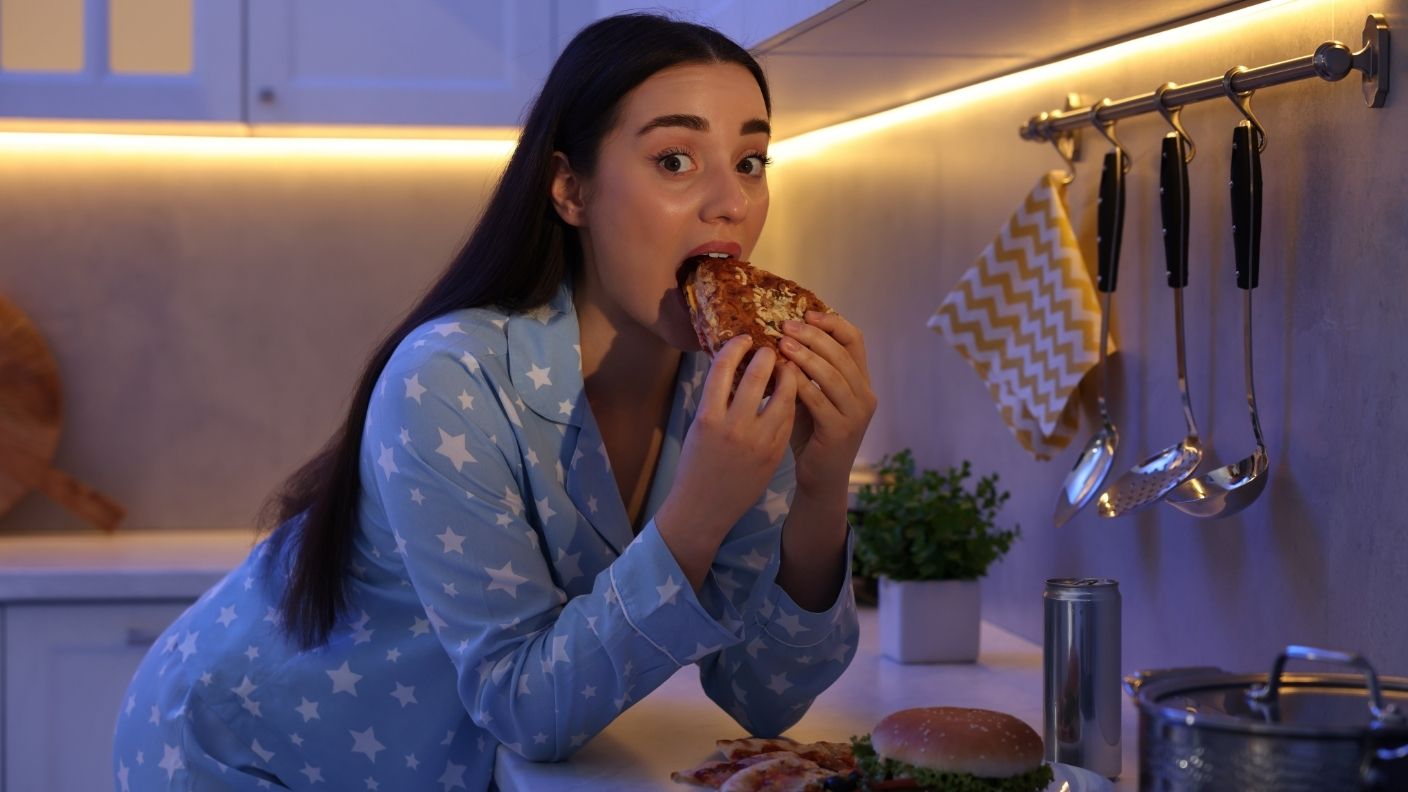

Ask around and almost everyone has a story. A slice of pizza at midnight, a bowl of ice cream before bed, and then a dream so strange or unsettling it was still the first thing on their mind at breakfast.
The idea has been repeated for generations, in cartoons and family warnings alike. Whether it holds up depends on what researchers have actually measured.
What Studies Have Found About Food and Bad Dreams
A 2025 survey of 1,082 psychology students at the University of British Columbia found that evening eating was associated with more negative dream content and poorer sleep quality. Over 40 percent of respondents said certain foods affected how well they slept.
Only about 5 percent, though, believed food shaped their dreams specifically.
The researchers were clear that the results are correlational. A link between late eating and bad dreams doesn’t prove one causes the other, and controlled experiments would be needed to say so.
Dairy and Spicy Foods Take the Blame
In an earlier study of 396 participants, around 18 percent said their food choices affected their dreams. Among them, dairy was the most common suspect, with 44 percent connecting it to disturbing dreams.
Spicy foods came second, followed by pasta, sweets, and meat.
Nearly half of the people who linked food to their dreams also felt that eating late made them stranger or more vivid. That’s a belief about their own experience, not a measured effect, but it shows how widespread the idea is.
A Restless Gut May Be the Real Culprit
The most plausible explanation isn’t magic in the food itself. It’s discomfort. In the UBC survey, people with lactose intolerance reported more frequent and more severe nightmares, and stomach symptoms like bloating and pain tracked with both.
Researchers point to the gut-brain connection as one way discomfort could shape what the sleeping mind produces.
Reflux is another factor. Lying down soon after a big meal can push stomach contents against the esophageal valve, causing heartburn and mid-sleep awakenings, which makes remembering a bad dream more likely.
Folklore May Be Part of the Story
There’s also a psychological angle. Cheese and spicy food have been tied to nightmares for so long, in jokes and old cartoons alike, that people may expect trouble and notice it more when it shows up.
Expectation can color how a dream gets remembered and described.
That doesn’t mean the connection is imaginary. It means the stories people tell and the physical effects of a heavy meal are hard to separate without careful testing.
Going to Bed Too Hungry Can Backfire Too
The opposite problem exists as well. The Sleep Foundation notes that low blood sugar overnight can cause nightmares or sweating and disrupt sleep.
That makes skipping dinner and fasting hard into the evening a poor fix.
Light snacks, especially ones with tryptophan, serotonin, or melatonin, may support sleep rather than disrupt it. The goal is a comfortable stomach, not an empty one.
How to Eat Late Without Wrecking Your Sleep
Most experts suggest finishing full meals two to four hours before bed. High-calorie meals heavy in fat or carbohydrates within an hour of lying down can also make it harder to fall asleep.
When hunger hits late, something small and gentle usually works better than leftovers.
A banana, a small bowl of oatmeal, or a handful of nuts is far less likely to cause trouble than spicy takeout. People who notice frequent nightmares or regular reflux should bring it up with a doctor, since both can point to something worth checking.
RELATED ARTICLE: Is It True That Eating Late at Night Causes Weight Gain?
