


This $2 Bag of Frozen Vegetables Has More Nutrients Than the “Fresh” Version

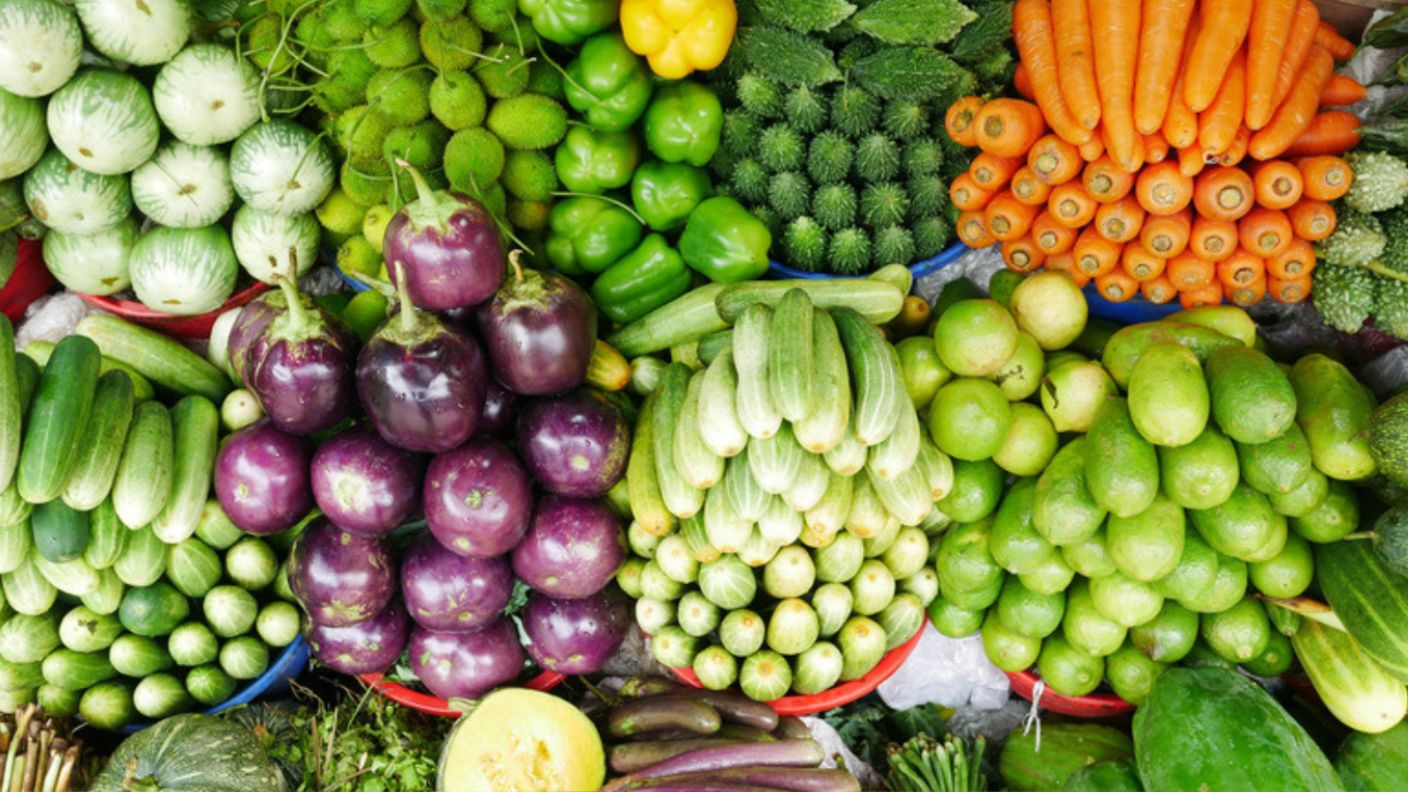

Grocery shopping myths die hard, and one of the biggest is that anything sitting in the freezer aisle is somehow the lesser option. Turns out that assumption has been backwards for years.
Scientists who actually test nutrient levels have found something most shoppers would never guess by looking at a produce display. The cheaper bag sitting in the freezer might be doing more for your body than the pricier one across the aisle.
It comes down to timing, not quality, and the difference can be bigger than people expect. Here is what is actually happening between the farm, the freezer, and your fridge.
Why Fresh Produce Loses Ground Over Time
Fresh vegetables start losing nutrients the moment they are picked, and that clock keeps ticking through shipping, storage, and days sitting in your fridge. By the time a head of broccoli reaches your plate, it may have already lost a meaningful chunk of its vitamin content.
One comparison found that fresh produce loses more nutrition the longer it sits, and after five days the frozen version actually came out ahead. Frozen broccoli in particular tested higher in riboflavin than its fresh counterpart.
Freezing Locks In What Fresh Produce Slowly Loses
Vegetables destined for the freezer are typically picked and processed at peak ripeness, often within hours. That timing matters, since nutrients are at their highest right after harvest and only decline from there.
Research out of the University of Georgia found frozen produce held onto its vitamin A levels just as well, if not better, than fresh options. Corn, green beans, and blueberries showed similar results in other side by side comparisons.
The Savings Go Beyond The Sticker Price
Vitamin C in particular tends to break down quickly once produce is stored at home for even a few days, something frozen bags simply avoid. A bag pulled straight from the freezer skips that slow decline entirely.
Despite all of this, many shoppers still assume fresh beats frozen on nutrition, even when the research says otherwise. That misconception ends up costing people both money and, in some cases, nutrients.
That two dollar bag of frozen broccoli sitting in the freezer might be quietly outperforming its fresh neighbor down the produce aisle. Sometimes the better choice really is the cheaper
RELATED ARTICLE: Frozen vs Fresh Vegetables: Which Is More Nutritious?
