


Frozen vs Fresh Vegetables: Which Is More Nutritious?

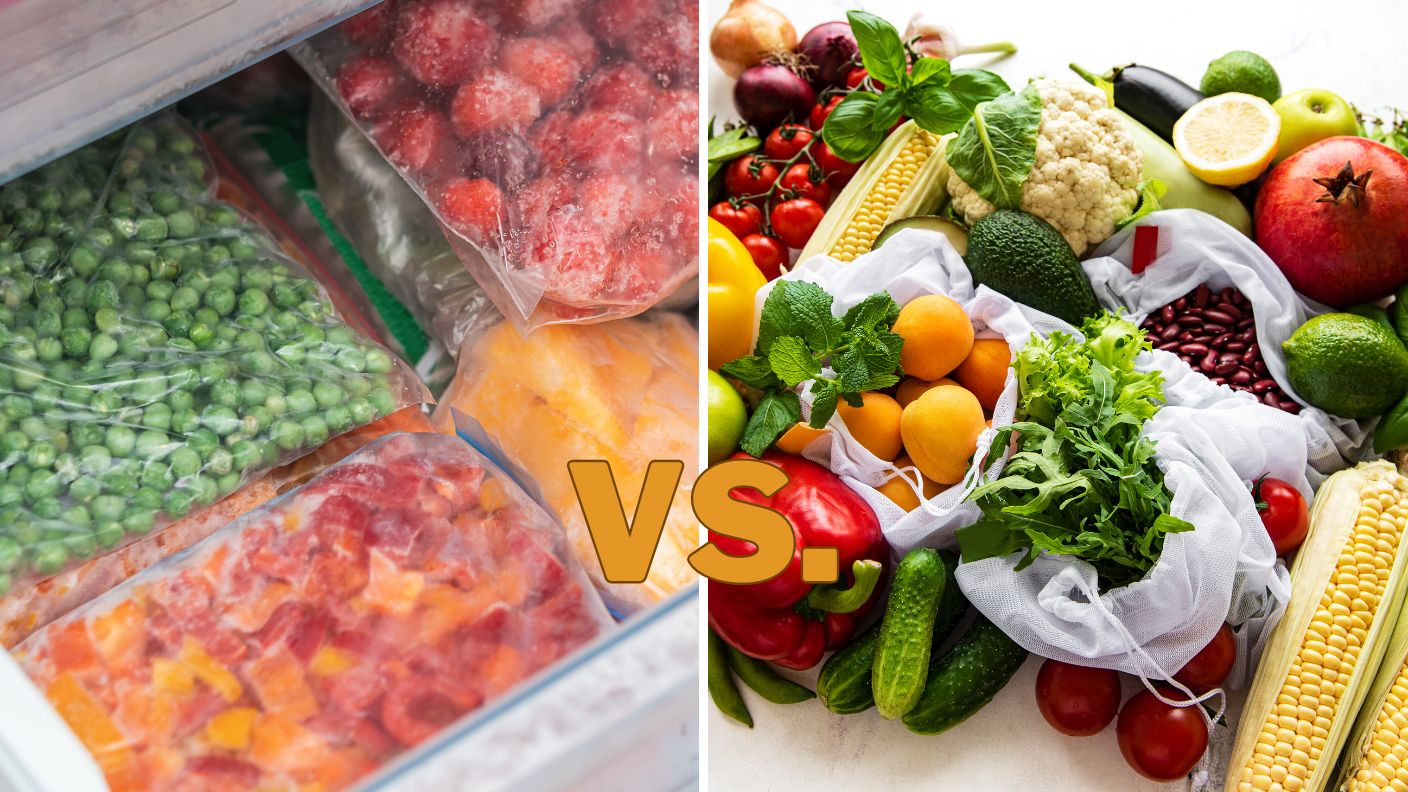

Standing in the produce aisle debating between a fresh head of broccoli and a bag of frozen florets feels like it should have an obvious answer. It doesn’t, and the real answer might surprise you.
Turns out frost isn’t the enemy nutrition labels make it out to be. Here’s what actually happens to a vegetable’s nutritional value once it gets frozen.
The Surprising Science Behind Freezing
Vegetables destined for the freezer are typically picked at peak ripeness, the exact moment they’re packed with the most vitamins and minerals. They’re then flash-frozen within hours, locking that nutritional peak in place before any real decline starts.
Fresh produce doesn’t get that same treatment. It’s often picked early to survive a long trip to the store, then sits in transit and on shelves for days before it ever reaches your fridge.
Why Fresh Doesn’t Always Win
A two-year study comparing fresh, fresh-stored, and frozen produce found something unexpected, fresh vegetables lose nutrients steadily the longer they sit around. After just five days in the refrigerator, that same fresh produce tested as less nutritious than its frozen counterpart.
Most people buy groceries roughly once a week, which means fresh veggies often sit in the crisper drawer longer than anyone realizes. That delay alone can chip away at the nutritional edge fresh produce is supposed to have.
Where Frozen Actually Pulls Ahead
Researchers comparing nutrient content in fresh and frozen versions of broccoli, corn, carrots and several other staples found no meaningful gap between the two. In a few cases, frozen actually came out ahead, with frozen broccoli testing higher in riboflavin than fresh.
Folate levels also held up remarkably well in the freezer, showing little change even after months of storage. Minerals and fiber stayed largely stable too, holding their ground through the entire freezing process.
The Few Places Fresh Still Has an Edge
Freezing isn’t completely nutrient neutral, since the blanching step beforehand does cause a small dip in vitamin C and folic acid. Some antioxidants are more sensitive to the cold than others, even if the overall nutritional picture stays close.
Fresh vegetables also win on texture and flavor, especially when eaten shortly after harvest. And it’s worth checking labels, since some frozen blends sneak in added sodium or sauces that plain fresh veggies don’t carry.
Cooking Method Matters More Than the Freezer
However you buy your vegetables, how you cook them ends up mattering just as much. Research on preparation methods found steaming generally preserves the most nutrients, regardless of whether the vegetable started fresh or frozen.
Boiling, baking and sautéing all affect specific nutrients differently, so there’s no single perfect method for everything. Onions hold onto more flavonols when baked, while peas keep more folate when boiled.
A Practical Way to Shop
The smartest move is probably skipping the either-or mindset entirely. Frozen broccoli, cauliflower, spinach and peas are reliable, budget-friendly options worth keeping stocked, while fresh produce shines when it’s in season and eaten quickly.
Mixing both also tends to cut down on food waste, since frozen veggies don’t wilt in the back of the fridge before you get to them. At the end of the day, the most nutritious vegetable is usually just the one that actually makes it onto your plate.
RELATED ARTICLE: Fresh Fruit vs Frozen Fruit for Nutrition: Which Is Healthier?
