


The “Lazy” 10-Minute Post-Dinner Walking Routine That Changes How Your Body Stores Fat

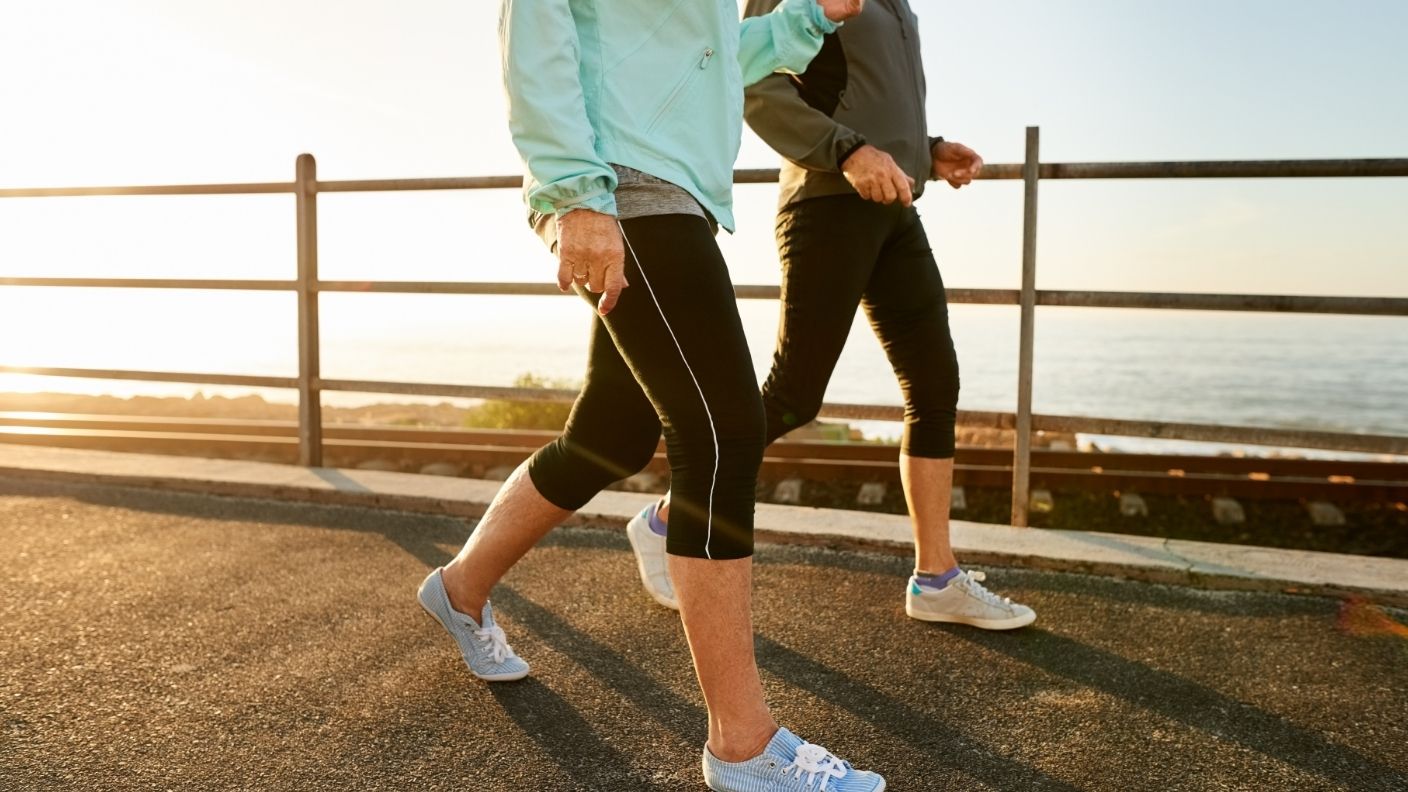

A slow stroll around the block after dinner sounds too easy to matter. No sweating, no gear, no schedule, and nothing that feels like exercise.
Yet researchers have been studying this habit for years, and the results are interesting. The claim that it “changes how your body stores fat” goes further than the evidence, but there is a real story underneath it.
What the Research Actually Supports
The strongest findings concern blood sugar, not body fat. Walking after a meal helps muscles pull glucose out of the bloodstream, which can blunt the spike that follows eating.
That effect shows up in several studies.
None of them was designed to measure fat storage. They tracked glucose and insulin over a few hours, so any link to body fat is an inference, not a result.
The Ten-Minute Study
A small randomized crossover trial of adults with type 2 diabetes compared a 10-minute walk after each main meal with a single 30-minute walk at another time. Post-meal glucose fell by about 12 percent on average.
The walk after dinner did even better.
It reduced the three-hour glucose rise by about 22 percent, probably because dinner is often the biggest meal of the day. The study was small, with 41 participants, so it points a direction rather than proving a rule.
Even Two to Five Minutes Help
A 2022 meta-analysis in Sports Medicine pooled seven trials of healthy adults. Standing or walking for two to five minutes every 20 to 30 minutes, versus sitting, lowered blood sugar after meals.
Standing breaks cut the rise by about 9.5 percent.
Light walking breaks did better, at about 17 percent, and also lowered insulin. Those breaks were spread through the day, so they aren’t identical to one walk after dinner, but they suggest short, easy movement is worth something.
Who Benefits Most
Larger effects appear in people whose blood sugar control is already worse, such as those with prediabetes or type 2 diabetes. A review of dozens of trials found healthy adults also had lower glucose peaks, just by a smaller margin.
So the habit is most helpful where blood sugar matters most.
For someone with healthy glucose levels, the benefit is more modest. It still adds activity, helps digestion feel comfortable for many people, and is easy to keep up.
So, Does It Change How You Store Fat?
Here’s the careful version. Frequent, large blood sugar and insulin spikes are linked to metabolic problems over time, and insulin influences how the body handles fuel. Smoothing those spikes is a plausible way a habit like this could help long-term.
But no study has shown that a 10-minute walk alters fat storage directly.
A walk burns a modest number of calories, roughly 30 to 50 for most people, depending on size and pace. Over weeks, that can add up, though it’s no substitute for overall eating habits and sleep.
How to Make It a Habit
Start within about 30 minutes of finishing the meal, since blood sugar tends to rise in the hour or so after eating. A comfortable pace is enough, because the point isn’t to break a sweat.
Ten minutes is a good target, but five still counts.
Pair it with something you like, such as a call with a friend, a podcast, or a loop with the dog. Making it the cue for the evening, as regular as washing the dishes, helps it stick.
When to Go Easy
After a very heavy meal, a slow pace is better than a brisk one, since vigorous exercise on a full stomach can cause cramps or reflux. Anyone with joint pain or mobility limits can use gentle marching in place or a slow lap around the house.
People who take insulin or other blood sugar medications should check with their doctor.
Extra movement can lower glucose further, and adjustments to medication or timing may be needed. For everyone else, the walk is a low-risk addition to the evening.
The Realistic Takeaway
A short walk after dinner is a cheap, evidence-backed way to soften the blood sugar rise after a meal. That alone is worth having.
It isn’t a fat-storage switch, and it won’t replace a balanced plate.
Treat it as one small part of a bigger picture that includes what you eat, how you sleep, and how much you move in general. The easiest habit is the one you’ll do tomorrow night too.
RELATED ARTICLE: Eat Your Protein and Veggies First: Does Meal Order Tame Blood Sugar?
