


The “Healthy Aging” Trend Nutrition Experts Actually Approve Of

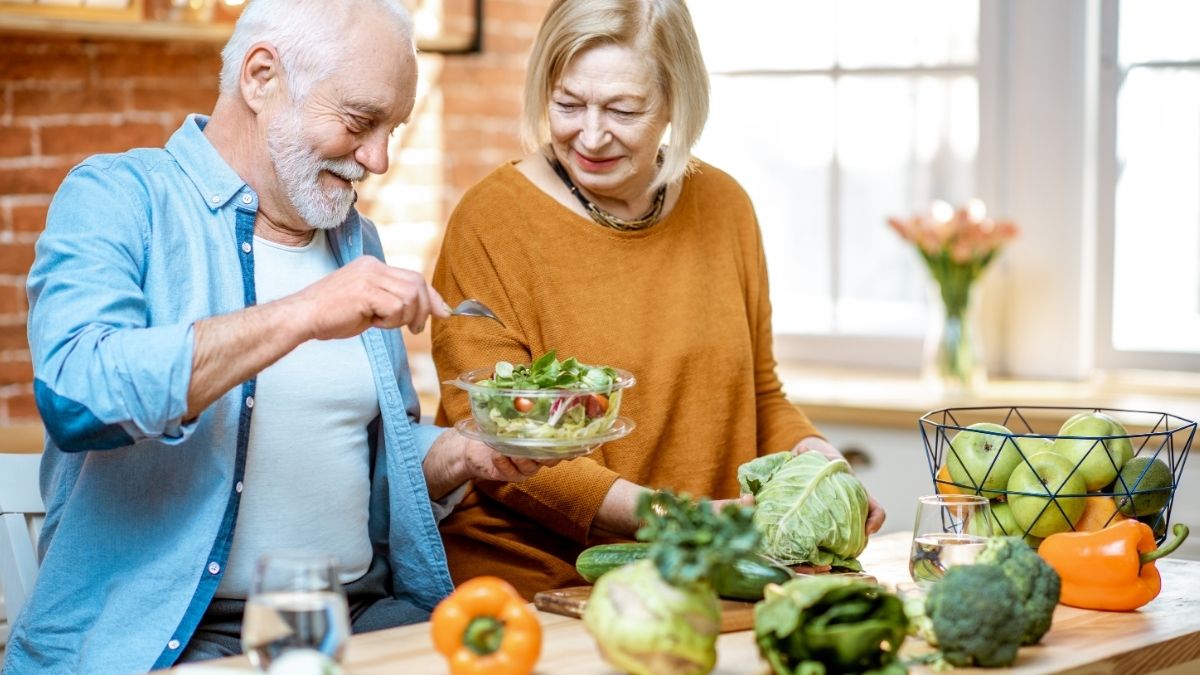

Every few months, a new wellness trend promises to slow the clock. Some involve elaborate supplement stacks. Others require giving up entire food groups. Most of them quietly disappear by the following year, leaving behind a cluttered medicine cabinet and a lot of unanswered questions.
But there is one approach to eating that keeps showing up in the science, and nutrition experts are getting louder about it. It does not have a catchy name. It does not require a subscription box. And it may be the most powerful thing most people are still not doing consistently enough.
The Study That Settled the Debate
In March 2025, Nature Medicine published the findings of a 30-year study that followed over 105,000 adults and examined eight different dietary patterns.
The question researchers wanted to answer was simple but profound: which way of eating actually produces healthy aging, defined as reaching age 70 free from chronic disease while maintaining cognitive, physical, and mental health?
The winner was not a detox protocol or a high-fat biohacking diet.
According to Harvard T.H. Chan School of Public Health, the people who followed a mostly plant-forward eating pattern in midlife had an 86% greater chance of healthy aging at 70, and more than double the odds by age 75.
What “Plant-Forward” Actually Means
Here is the part that matters most: this does not mean going vegan. As Prevention reported, participants who achieved healthy aging simply ate more plant-based foods. They did not eliminate meat or dairy entirely, they just stopped making those foods the center of every meal.
The best-performing dietary pattern in the study was the Alternative Healthy Eating Index, which Harvard Health describes as an approach that emphasizes fruits, vegetables, whole grains, nuts, legumes, and healthy fats, while limiting red and processed meats, sugary beverages, sodium, and refined grains.
That is essentially the Mediterranean diet with a few extra checkboxes. And it is exactly what dietitians have been recommending for years.
Why Inflammation Is the Real Enemy
Underneath all the research into healthy aging, one factor keeps appearing: chronic inflammation. EatingWell’s anti-inflammatory meal plan, created by a registered dietitian, describes this as “inflammaging,” the low-grade inflammation that increases naturally as the body ages and quietly raises the risk of heart disease, type 2 diabetes, and cancer.
The foods that fight it most effectively are not complicated.
Dietitian Zariel Grullón, RDN, tells EatingWell that berries, leafy greens, beans, fatty fish, and nuts are the most powerful anti-inflammatory foods for women over 50, because they deliver antioxidants, fiber, healthy fats, and protein all at once. These are also, not coincidentally, the building blocks of the Mediterranean diet.
The Polyphenol Piece Most People Miss
One element of plant-forward eating that researchers are paying close attention to is polyphenols, the naturally occurring compounds found in brightly colored fruits, vegetables, tea, and olive oil that reduce inflammation at the cellular level.
A 2025 analysis from the DIRECT PLUS trial found that participants who followed a version of the Mediterranean diet enriched with extra polyphenols had significantly reduced levels of brain proteins linked to accelerated brain aging, outperforming even those on the standard Mediterranean diet.
The additions were straightforward: green tea, walnuts, and a daily green shake.
Walnuts specifically are rich in polyphenols shown to reduce inflammation and damaging beta-amyloid plaque in the brain, the same proteins associated with cognitive decline. A quarter to a third of a cup per day is all it takes.
What 73% of Global Consumers Are Already Doing
This is not just a conversation happening in research labs. Innova Market Insights found that 73% of global consumers now consider healthy aging to be extremely or very important, with people across every generation actively reducing sugar and alcohol intake and reaching for more nutrient-dense, whole foods.
The shift is real, and it is happening at the grocery store level. The Kerry Health and Nutrition Institute notes that by 2030, one in six people worldwide will be over 60, making the demand for everyday nutrition that supports long-term vitality one of the defining forces shaping the food industry right now.
The Catch Nobody Wants to Hear
The science is consistent, and the approach is not particularly complicated. But the Nature Medicine study makes one thing clear: the benefits are linked to long-term consistency, not a two-week reset. The participants who achieved healthy aging were the ones who ate this way across decades, not the ones who overhauled their diet in their late 60s.
The good news is that midlife, which researchers define as roughly ages 39 to 69, is exactly when these habits appear to have the greatest impact. Harvard Health describes it as a critical window where what goes on the plate starts shaping what life looks like in the decades ahead.
More vegetables. More whole grains. More color on the plate. Less of the ultra-processed stuff. It is not a trend. It is just what the evidence keeps saying, over and over, and nutrition experts have been saying it all along.
RELATED ARTICLE: The #1 Kitchen Mistake That’s Ruining Healthy Meals
