


The #1 Kitchen Mistake That’s Ruining Healthy Meals


You bought the vegetables. You skipped the takeout. You cooked at home like every nutritionist ever has encouraged you to do. And then, without realizing it, you quietly destroyed a significant portion of the nutrition in your meal before it ever reached the plate.
It is one of the most common kitchen habits in America, it happens in well-meaning households every single night, and almost nobody talks about it.
It Starts With Good Intentions
The mistake is overcooking vegetables, specifically boiling them for too long in too much water and then doing the one thing that makes it dramatically worse: pouring all that water down the drain.
Water-soluble vitamins like vitamin C and the entire B vitamin family are the most vulnerable to heat and water, dissolving out of the food and into the cooking liquid within minutes of hitting a boiling pot.
Vitamin C can lose up to 50% of its content during boiling, while B vitamins can lose up to 60%. That is not a minor nutritional footnote. That is half the benefit of a vegetable, gone before dinner is served.
The Longer It Cooks, the More You Lose
The relationship between cooking time and nutrient loss is direct and unforgiving. The longer vegetables are cooked, the more nutrients are lost, and overcooking can result in a significant reduction in nutritional levels across the board.
The grey, soft, overcooked broccoli sitting in a puddle of water is not just an aesthetic problem. It is a nutritional one.
Folate is also heat-sensitive, meaning it breaks down when food is cooked at high temperatures for extended periods.
For anyone relying on vegetables as a primary source of folate, B vitamins, or vitamin C, the cooking method is not a minor detail. It is the whole story.
The Fix Is Simpler Than You Think
Nutrition researchers and dietitians consistently point to two better alternatives: steaming and stir-frying.
Steaming preserves significantly more water-soluble vitamins than boiling because the food never sits submerged in water.
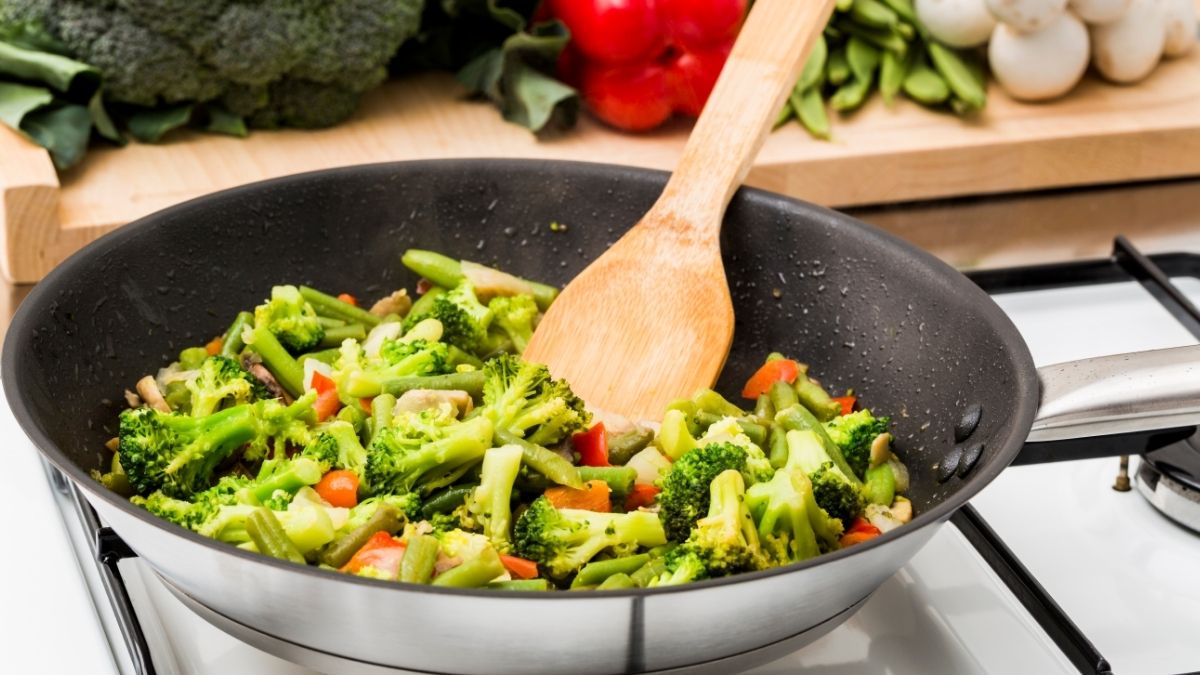
A quick stir-fry over high heat for a short period of time also limits nutrient loss while adding flavor that boiling never can.
Tufts University nutrition researchers recommend varying preparation methods, eating some vegetables raw and some cooked, and when boiling is unavoidable, using as little water as possible and keeping the cooking time as short as possible.
What to Do With the Water You Have Left
If you do boil vegetables, the single best thing you can do is keep the water.
The leftover cooking liquid holds a significant portion of the vitamins and minerals that leached out during cooking, and adding it to soups, stews, or sauces recovers a meaningful amount of what would otherwise be lost.
The irony of the most common healthy cooking mistake is that the effort is already there. The vegetables are on the stove. The intention is right. It is just the timing, the water, and the drain that quietly undo it, night after night, in kitchens across the country.
RELATED ARTICLE: The #1 Carb Experts Say You Should Stop Avoiding
