


The Frozen Food Nutrition Experts Actually Buy for Themselves

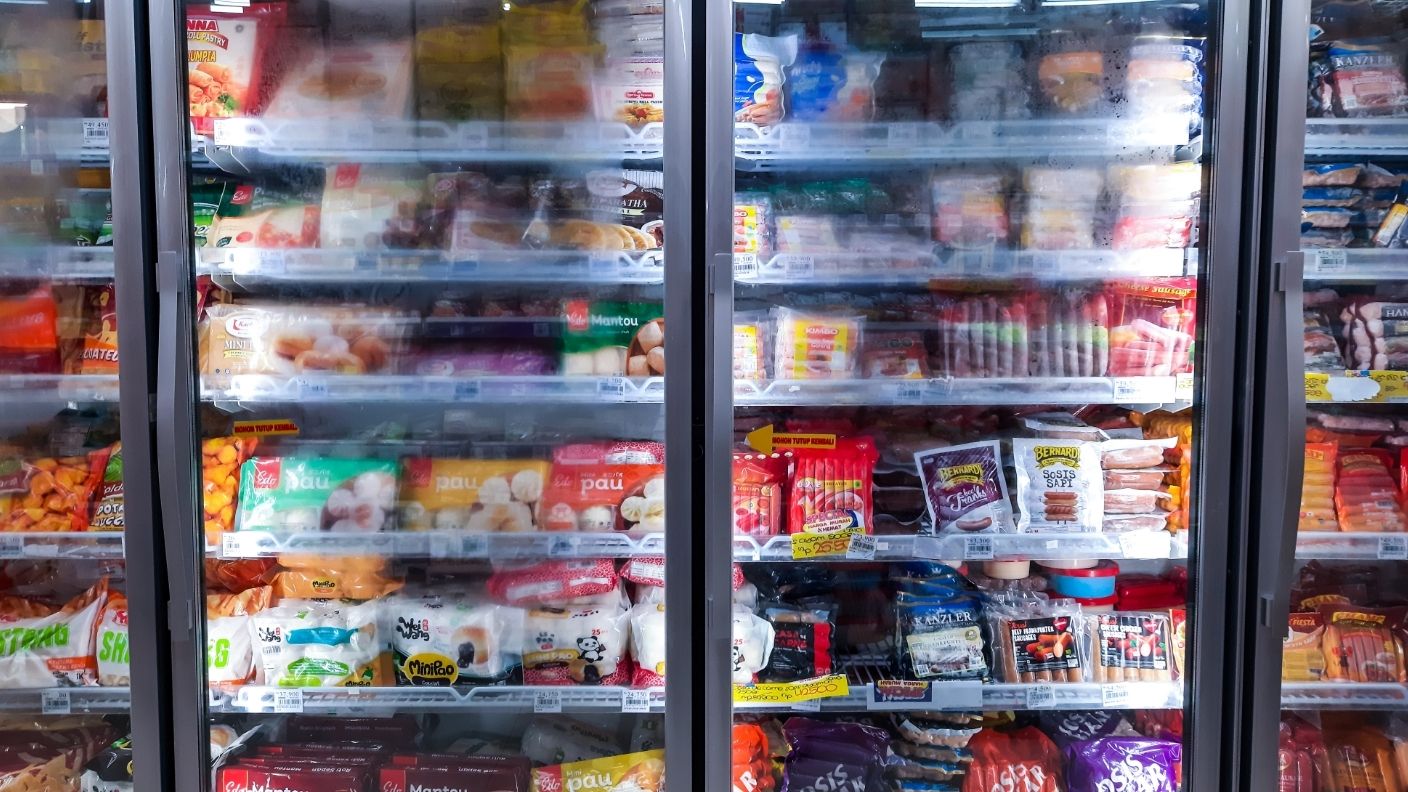

Walk through most people’s freezers and the story is pretty predictable, a lonely bag of ice, some forgotten leftovers, maybe a pint of ice cream hiding in the back. It is not exactly where anyone expects to find serious nutrition advice.
Dietitians tell a very different story about their own freezers, though. When nutrition experts talk about what actually stays stocked in their kitchens, the frozen aisle comes up again and again, and the reasons behind it might change how you shop for good.
Frozen Edamame
Ask a handful of registered dietitians what they always keep on hand, and shelled edamame shows up almost every time. A single cup delivers an impressive 18 grams of protein and 8 grams of fiber, making it one of the most efficient plant based options in the entire freezer aisle.
Part of the appeal is how little effort it takes to use. A registered dietitian explained that “it takes less than five minutes to cook from frozen and is incredibly versatile”, whether tossed into a stir fry, sprinkled over a salad, or blended straight into guacamole for extra protein.
Frozen Berries
Fresh berries have a short window before they go soft and moldy in the fridge, which is exactly the problem frozen versions solve. Nutritionists favor frozen berries because they are picked and frozen at peak ripeness, locking in vitamins and antioxidants right at their nutritional peak.
Blueberries, strawberries, and raspberries all bring meaningful fiber and vitamin C to the table, and they cost noticeably less than fresh berries once they are out of season. Tossed into smoothies, oatmeal, or a bowl of yogurt, they deliver the same nutritional punch without the pressure of using them up before they spoil.
Frozen Riced Cauliflower
Riced cauliflower has become a frozen aisle staple for dietitians looking to sneak extra vegetables into everyday meals without much effort. It works particularly well blended into smoothies or stir fries, since the mild flavor tends to disappear once it is mixed with other ingredients.
Beyond smoothies, it also doubles as a lower carb base for fried rice or even homemade pizza crust. For anyone trying to hit daily vegetable goals without noticing much of a difference in taste, it is one of the easiest swaps available.
Frozen Whole Grains
Cooking grains from scratch takes time most people simply do not have on a weeknight, which is where the freezer aisle quietly saves the day. Nutritionists often stock frozen brown rice or quinoa specifically because both are high in fiber and provide long lasting, steady energy throughout the day.
Both grains work as flexible bases for grain bowls, soups, or a fast stir fry, ready in a fraction of the time it takes to cook them from scratch. It is a small shortcut that still delivers on real nutrition rather than sacrificing it for convenience.
Frozen Fish and Chicken
Protein rounds out the list too, and dietitians are quick to point out that freezing does not diminish its value. One registered dietitian explained that ingredients and how the food is prepared impact nutritional value far more than the act of freezing itself.
Buying fish and chicken frozen can actually preserve flavor and nutrients that fresh cuts naturally lose while sitting on a store shelf or in transit. For anyone trying to eat well without constant grocery runs, that alone makes the freezer section worth a much closer look.
The freezer aisle clearly deserves more credit than it usually gets, at least according to the people whose job it is to know better. Next time a grocery run feels rushed, skipping straight past the ice cream and heading for the edamame, berries, and riced cauliflower might be exactly what a dietitian would do.
RELATED ARTICLE: This $2 Bag of Frozen Vegetables Has More Nutrients Than the “Fresh” Version
