


The Foods That Were Once Considered Luxurious but Are Now Completely Ordinary


Open almost any kitchen and there’s a quiet display of wealth that nobody notices. A banana in the fruit bowl, sugar in the canister, a tub of ice cream in the freezer.
Each of these once belonged to people with serious money. Here’s how a handful of them went from the banquet table to the weekly shopping list.
Pineapple
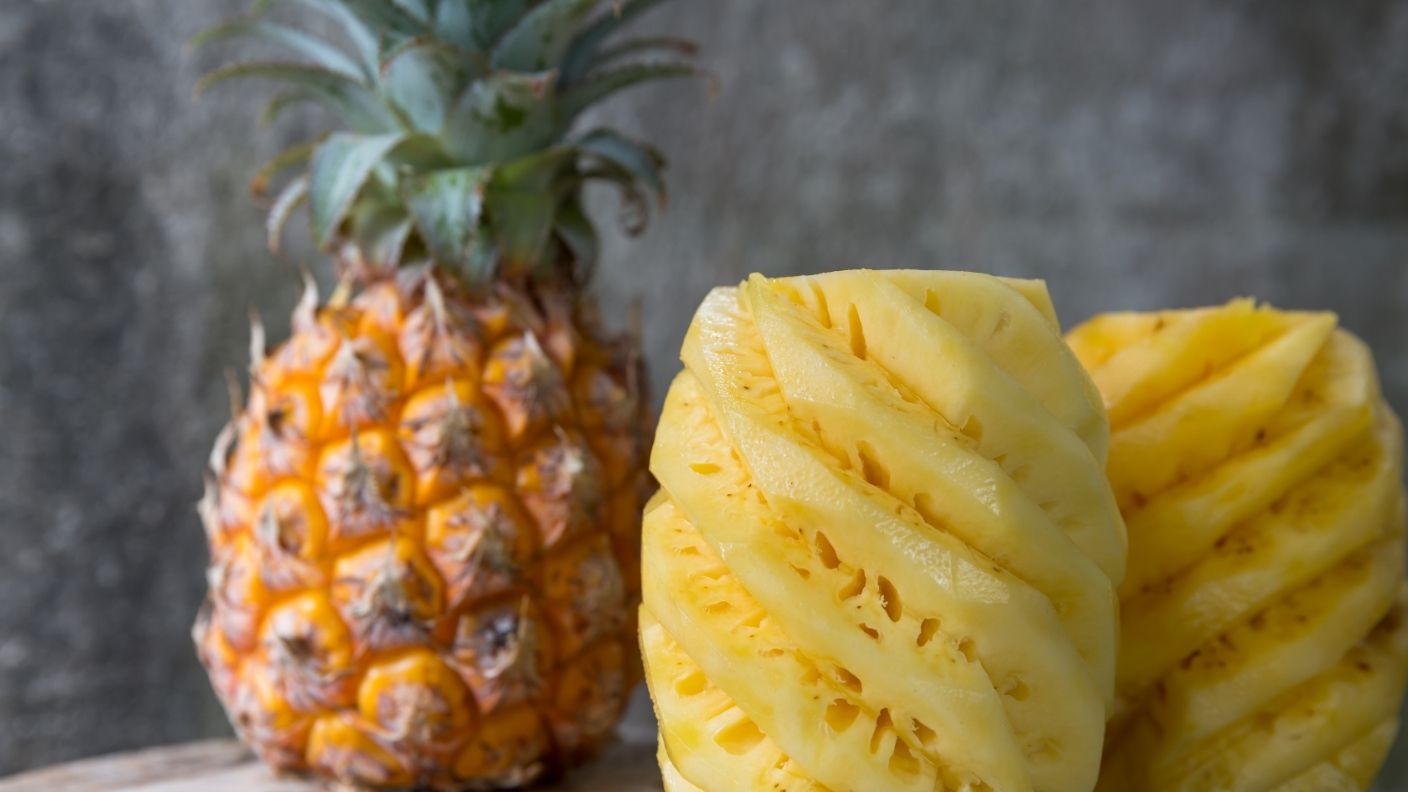
In eighteenth-century Britain, a pineapple was so rare and costly that hosts sometimes rented one to show off at a dinner party. It might sit on the table as a centerpiece for days, never touched, before being returned or finally eaten.
Growing one in a cold climate took heated glasshouses and years of effort.
Today it’s chopped into fruit salad, grilled, blended into smoothies, and, to the delight of some and horror of others, placed on pizza. Faster shipping, commercial plantations, and canning turned a status symbol into a cheap tropical staple.
Sugar
For much of European history, sugar was a spice kept under lock and key. Only nobility could afford it, and households guarded it like treasure.
A spoonful in tea was a sign of means.
Now it’s in cereal, sauces, bread, and nearly every packaged snack. It’s become so common that most nutrition advice runs the other way, urging people to eat less of it.
Cinnamon and Cloves
In the Middle Ages, cinnamon and cloves were rarer than almost anything in the kitchen and were reserved for the wealthy. They traveled enormous distances, passing through many hands before reaching a European table.
That journey was the reason for the price.
They now sit in the spice aisle for a few dollars, beside the paprika and garlic powder. A jar of cinnamon is so ordinary that it’s easy to forget it once helped drive global trade.
Chocolate
Chocolate began as a bitter, spiced drink enjoyed by elites in Aztec and Mayan societies. When it reached Europe in the 1500s, it became a favorite of royal courts, where it was sweetened and sipped from fine cups.
Eating it as a bar came much later.
Today it’s one of the most accessible treats in the world, sold at every checkout counter. Its price has been climbing in recent years, but it remains an everyday indulgence.
Ice Cream
Before refrigeration, making ice cream took ice, salt, and a lot of effort, which kept it a dish for royal courts and wealthy households. Serving a frozen dessert in summer was a feat that impressed guests.
Mechanical freezing removed the hardest part of making it.
Commercial production in the nineteenth century, then supermarket freezers, turned it into an ordinary dessert. Shoppers now choose from dozens of flavors without a second thought.
Bananas
Bananas were still a novelty in the United States into the 1870s, and they appeared on upscale menus as something exotic. Few Americans had even tasted one.
The fruit is delicate, which made shipping a challenge.
Plantations, railroads, steamships, and refrigeration solved the problem. By the early twentieth century the banana had become an inexpensive staple, and it’s now among the cheapest fruits at the store.
Celery
It’s hard to imagine celery as fancy, yet in nineteenth-century America and Britain it was prized for being difficult to grow crisp. Formal dinners featured special tall glass vases just to display the stalks on the table.
Having celery to show off said something about the host.
Better cultivation and transport erased its prestige. It’s now a lunchbox snack, a soup base, and the humble partner of peanut butter, and the fancy vase is long forgotten.
Croissants
For a long time, Americans met croissants mostly at French bakeries, restaurants, and hotels. The dough is layered by hand with butter, which takes skill and time, so they carried a bit of European glamour.
That began to change in the early 1980s.
Frozen croissants hit supermarkets in 1981, and fast-food chains soon put them in breakfast sandwiches. What was once a special-occasion pastry is now an ordinary morning grab.
Avocados
Avocados were unfamiliar across much of the United States for years and hard to find outside a few regions. As imports expanded, they moved from specialty item to supermarket regular.
USDA data show that availability per person roughly tripled between 2000 and 2021.
They now turn up on toast, in salads, and in lunch bowls everywhere. Prices still bounce around with the seasons, but few people treat them as a luxury anymore.
What Turned Luxuries Into Everyday Foods
The pattern repeats across almost every item here. Faster shipping, refrigeration, mass production, and bigger farms lowered costs, while changing tastes made new foods feel normal.
Once a food became easy to get, its status faded.
That cycle is still running. Something that feels like a splurge today may be a pantry staple in a few decades, and some of today’s cheap foods may someday feel precious again.
RELATED ARTICLE: 7 Foods That Were Considered “Poor People’s Food” but Are Now Surprisingly Expensive
