


7 Foods That Were Considered “Poor People’s Food” but Are Now Surprisingly Expensive


Menu prices have a strange way of flipping the social status of certain ingredients entirely upside down over the course of a century. Foods once served because nothing else was available, or cheap enough to feed a large family, now show up on menus with a price tag that would have seemed absurd to the people who used to eat them out of necessity.
None of these got more nutritious or harder to find overnight. What changed was almost entirely about perception and supply.
Lobster
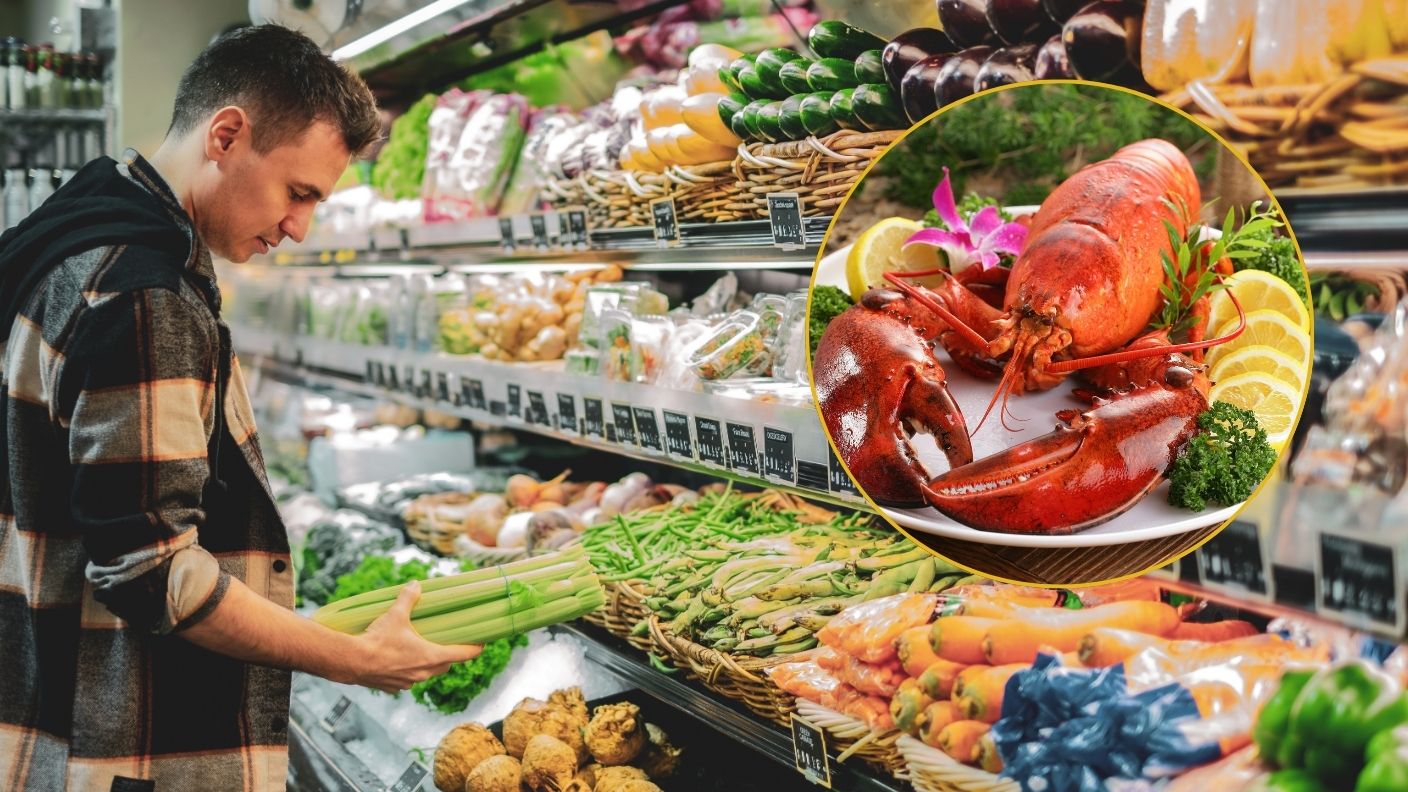
Lobster is probably the most famous example of this reversal, once so abundant along the New England coast that it was fed to prisoners and servants, sometimes with contracts limiting how often they could be served it. It was considered a food of last resort, not a luxury.
Overfishing, combined with a shift in how it was marketed and prepared, eventually turned it into one of the most expensive items on a seafood menu. The lobster itself hasn’t changed; the demand and scarcity around it has.
Oysters
Oysters were once so plentiful and cheap that they were a common bar snack, served free alongside a beer in many working-class taverns. Street carts sold them by the bucket for less than the price of bread in some cities.
Pollution, overharvesting, and a rebranding toward fine dining eventually pushed oysters upmarket entirely. What used to be a filling, inexpensive snack is now often sold individually at a price that would have shocked the people who once ate them by the dozen.
Bone Marrow
Bone marrow used to be considered a byproduct, something butchers practically gave away because there was little demand for it outside of using it to enrich broths and stews. It was a way to stretch a limited food budget, not an indulgence.
Restaurants eventually rebranded it as a rich, decadent delicacy, roasted and served with bread as an appetizer at a price far removed from its origins. The marrow itself is exactly the same product it always was.
Sardines
Sardines were once a staple of working-class diets specifically because they were cheap, filling, and didn’t require refrigeration in their canned form. They were considered practical food, not something to seek out for its own sake.
A renewed interest in tinned fish as a trendy, elevated snack has pushed prices on quality sardines up considerably in recent years. The nutritional profile hasn’t changed at all; the marketing around it has.
Sweetbreads
Sweetbreads, the thymus or pancreas of a young animal, were historically eaten because they were inexpensive organ meat that would otherwise go to waste. Households that couldn’t afford prime cuts relied on offal like this as a practical necessity.
Fine dining eventually turned sweetbreads into a delicacy prized for their delicate texture when prepared correctly, and the price followed that reputation upward. What was once a thrifty choice is now often one of the pricier items on a menu.
Rye Bread
Dense, dark rye bread was historically the bread of the poor across much of Europe, made from a grain that grew in conditions too harsh for wheat. Wheat bread, lighter and more refined, was reserved for those who could afford it.
Artisan bakeries have since flipped that hierarchy, charging a premium for genuine sourdough rye while mass-produced white bread sits at the bottom of the price range. The grain itself hasn’t become any harder to grow.
Salmon
Salmon was once so abundant in certain regions that indentured servants and apprentices reportedly negotiated limits on how often they could be served it, tired of eating what was considered a lesser, overly available fish. It was filling and cheap, not aspirational.
Wild salmon populations declined considerably over the following centuries, and farmed salmon eventually repositioned the fish as a premium protein. What was once dismissed as monotonous now regularly commands one of the higher prices at a seafood counter.
RELATED ARTICLE: 5 Old-Fashioned Fall Foods That Deserve a Comeback
