


The Foods That Taste Better When You Cook Them in a Cast-Iron Pan

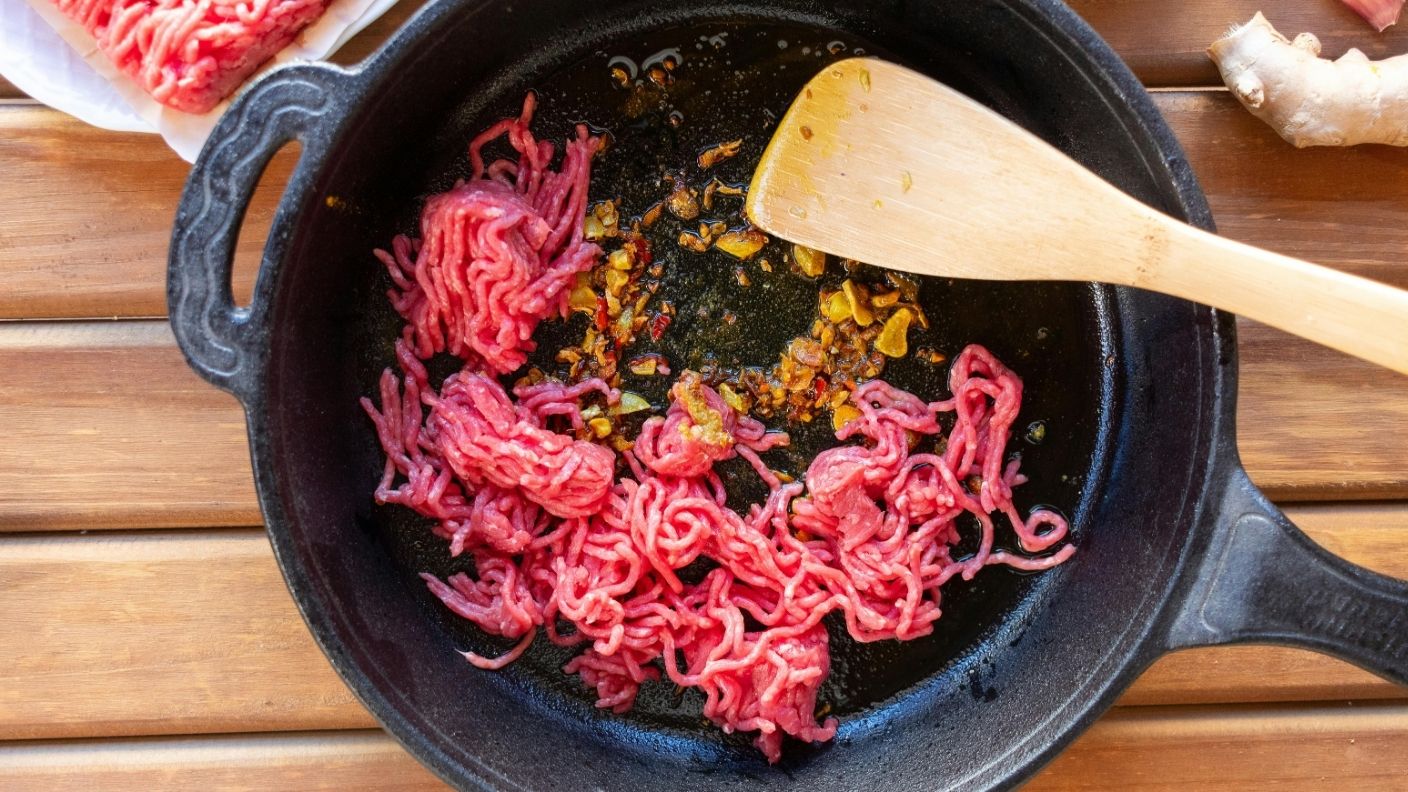

Pulling out a nonstick pan has become such a reflex in most kitchens that cast iron often ends up sitting in a cabinet, reserved for the occasional weekend project. That’s a missed opportunity for a specific handful of dishes that genuinely turn out better in iron than in anything else.
The difference comes down to how the material actually behaves under heat, not just tradition or nostalgia for how a grandparent used to cook.
Steak Develops a Crust Nothing Else Can Match
Cast iron holds onto heat far more stubbornly than stainless steel or nonstick coatings, which means the pan’s surface temperature barely drops the moment a cold steak hits it. That steady heat is exactly what’s needed to develop a deep, even crust through the Maillard reaction rather than a pale, unevenly browned surface.
It also means a cast-iron steak can go straight from stovetop to oven in the same pan, finishing gently without losing any of that seared exterior. Few other pans handle that stovetop-to-oven transition as seamlessly, since most nonstick coatings aren’t rated for the high heat a proper sear actually requires.
Cornbread Gets a Crust You Can’t Get From a Baking Dish
Pouring cornbread batter into a cast-iron skillet that’s been preheated in the oven creates an immediate sizzle the moment the batter makes contact, which is exactly what produces that deeply browned, slightly crisp bottom crust traditional cornbread is known for. A glass or ceramic baking dish never reaches that same preheated intensity.
That crust isn’t just texture for its own sake, it adds a toasted, slightly nutty flavor that plain baked cornbread from a room-temperature pan simply doesn’t develop. Once the technique clicks, it’s hard to go back to baking cornbread any other way.
Fried Chicken Cooks More Evenly From Edge to Center
Deep frying depends on the oil holding a steady temperature throughout cooking, and cast iron’s heat retention keeps that oil far more stable than a thinner pan would once cold chicken pieces are added. A pan that cools too much the moment food goes in leads to greasy, unevenly cooked coating.
That stability matters even more with a pan full of chicken pieces cooking at once, since the temperature drop from a large batch is exactly where thinner cookware tends to struggle. Cast iron’s mass buys the recovery time needed to keep every piece frying at a consistent temperature.
Roasted Potatoes Come Out Crispier Than a Baking Sheet Allows
A cast-iron skillet placed directly on the stovetop before potatoes go into the oven lets them start browning on contact rather than slowly coming up to temperature the way they would on a room-temperature sheet pan. That head start makes a real difference in how crisp the exterior ends up.
The pan’s heat retention also means it stays hot enough to keep browning even once the oven door opens and closes, which lets some heat escape. A sheet pan loses more of that residual heat in the same moment, leading to potatoes that steam slightly instead of continuing to crisp.
Skillet Pizza Gets a Crust Closer to a Pizzeria Oven
A well-heated cast-iron pan can hold a surface temperature that most home ovens can’t replicate on their own, which is part of why skillet pizza crusts brown and crisp up in a way a baking sheet rarely manages. The dough hits a genuinely hot surface right from the start rather than gradually heating alongside a pan that was cold going in.
Finishing the pizza under the broiler while it’s still in the same cast-iron pan adds an additional layer of char on top, closer to what a much hotter commercial oven would produce. That combination of a hot bottom crust and a broiled top is difficult to recreate in any other home setup.
Fajitas Stay Sizzling Long After They Leave the Stove
Restaurant fajitas arrive at the table audibly sizzling for a reason: the cast-iron pan or platter they’re served on holds enough retained heat to keep cooking the food slightly even after it’s off the direct flame. A thinner pan loses that heat within seconds of being removed from the burner.
That lingering heat isn’t just theatrical, it keeps the peppers, onions, and meat actively finishing rather than cooling down immediately the way food on a regular plate would. Serving fajitas straight from the cast-iron pan they were cooked in recreates that same effect at home.
Fruit Crisp Bakes With a Crust All the Way to the Edges
A cast-iron skillet’s heat retention means the fruit filling in a crisp or cobbler starts bubbling almost as soon as it goes into the oven, rather than needing extra time to catch up to the oven’s temperature. That head start helps the topping crisp evenly instead of staying soft in the center while the edges brown too fast.
The pan’s edges also get hot enough to caramelize the fruit touching them, giving every serving a bit of that deeply cooked, slightly sticky edge that’s often the best part of a good crisp. A glass baking dish rarely produces that same effect along its sides.
RELATED ARTICLE: Grandmothers Never Needed This Kitchen Gadget and More Cooks Are Giving It Up
