


Grandmothers Never Needed This Kitchen Gadget and More Cooks Are Giving It Up

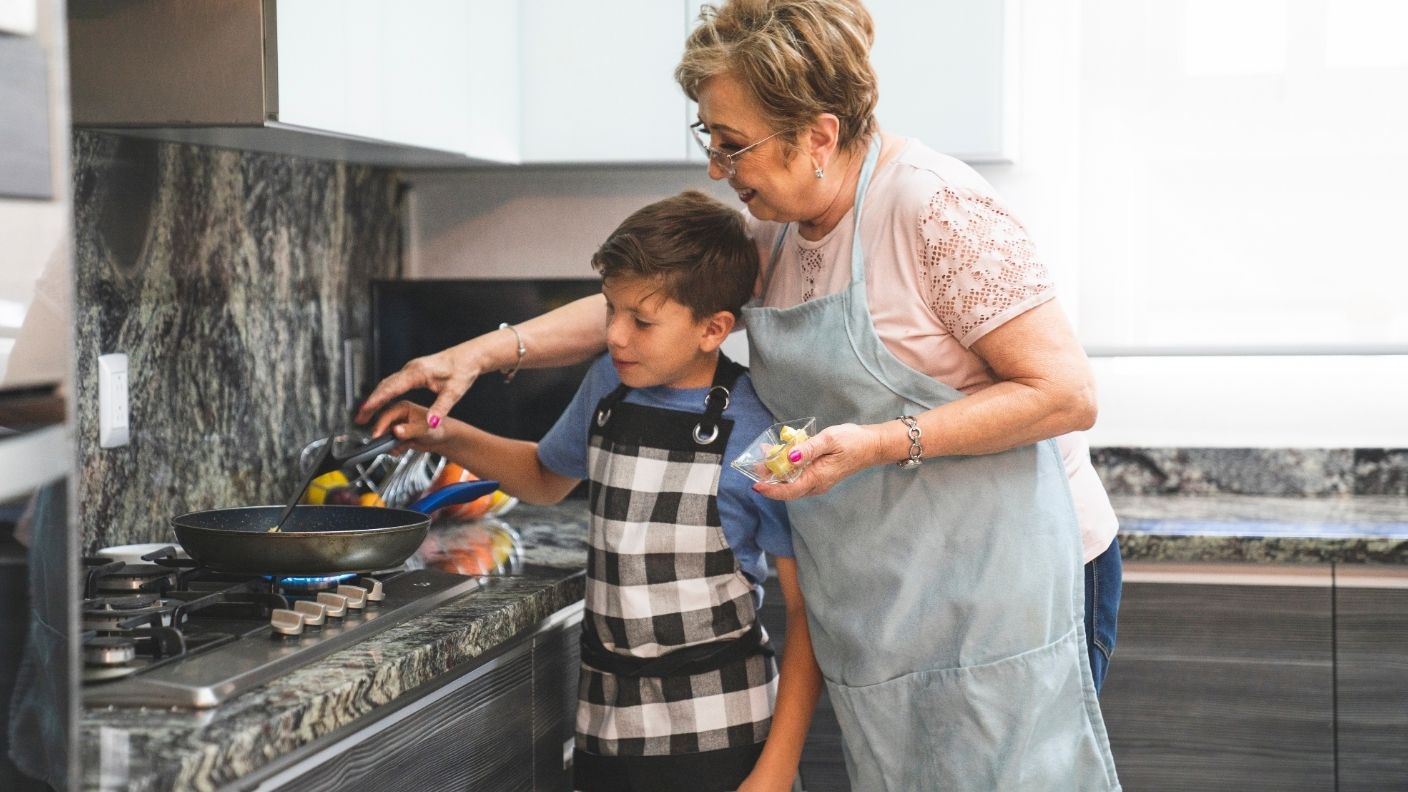

There’s a good chance your grandmother never owned a nonstick pan. She didn’t need one, and a growing number of cooks are quietly reaching the same conclusion.
The Gadget in Question Is the Nonstick Pan
For decades, a nonstick skillet has been treated as an essential starter item in nearly every kitchen. That assumption is starting to crack, as more cooks move away from the coating entirely in favor of what came before it.
The shift isn’t happening because nonstick pans stopped working. It’s happening because of what’s actually in the coating that makes them work.
Grandmothers Cooked Everything on One Well-Worn Pan
A well-seasoned cast iron skillet used to do everything a modern kitchen splits across several pans: fried chicken, cornbread, pan gravy, all in the same piece of cookware. It got better with age rather than needing to be replaced.
That single-pan approach wasn’t a limitation, it was the whole system. One properly maintained skillet could realistically outlast the person using it.
A Chemical Coating Changed Everything After the War
Teflon was discovered by accident in 1938, then spent its first decade in industrial uses long before it ever touched a frying pan. A French engineer figured out how to bond it to aluminum cookware in the late 1950s, and by the early 1960s, Teflon pans were showing up in American stores.
Postwar culture was hungry for convenience, and a pan that required no seasoning and released food effortlessly fit that mood perfectly. Cast iron started disappearing from stores almost as fast as nonstick appeared.
Trust in the Coating Started Cracking Decades Ago
Concerns about PFOA, the chemical historically used to bond Teflon coatings, began eroding consumer trust in the early 2000s. That unease has only grown since, now folded into a broader wave of concern about PFAS, sometimes called forever chemicals, across many household products.
Regulatory pressure has picked up alongside that consumer awareness, accelerating a phase-out of PFAS in cookware more broadly.
Professional Kitchens Never Fully Bought In
Chefs largely sat out the nonstick trend from the start, sticking with cast iron and carbon steel for the sear and browning those materials deliver. That professional preference never really wavered, even while nonstick dominated in home kitchens for decades.
The current shift among home cooks is, in some ways, just catching up to where restaurant kitchens already were.
Cast Iron Sales Have Been Climbing Since 2015
Cast iron sales have been on a genuine upward trend for roughly a decade now, with home cooks increasingly rediscovering old pans at estate sales and antique shops rather than buying new nonstick sets. Even newly manufactured cast iron and carbon steel are seeing renewed demand as part of the same shift.
That’s a meaningful reversal after decades of steady decline. A material once treated as outdated is now being sought out specifically because it wasn’t updated.
What’s Replacing It Isn’t Actually New
Industry trend reports point to stainless steel, ceramic, and cast iron as the materials gaining ground, all of which predate the nonstick coating they’re now replacing. None of this counts as innovation in the traditional sense, it’s a return to what worked before convenience took priority.
With proper care, cast iron and stainless steel can last a lifetime, developing natural nonstick properties of their own along the way. The pan grandmothers never needed to replace is turning out to be the one more cooks are choosing to keep.
RELATED ARTICLE: Chicken Piccata With Artichokes
