


The Exact Lunch Formula Nutritionists Recommend for Longevity

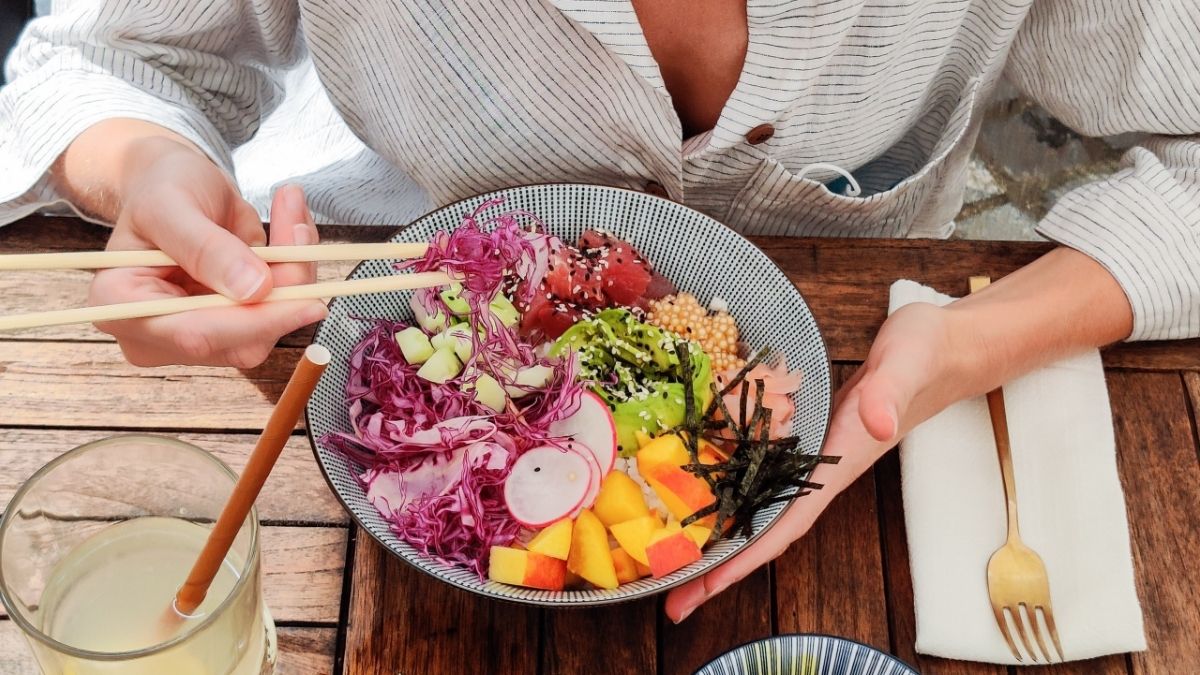

Something quiet is happening at midday tables across the world’s healthiest communities. The oldest people alive, from Sardinia to Okinawa, sit down for lunch every single day and eat the same simple, humble foods.
What you eat between noon and 2 p.m. may matter more than you think. The midday meal, it turns out, is a powerful longevity lever. But the formula is surprisingly unpretentious.
The Two Nutrients Your Lunch Should Always Have
Scientists and longevity experts consistently point to two nutrients that should anchor your lunch: protein and polyphenols, both of which happen to live in many of the same foods.
Powerful compounds found in fruits and vegetables, legumes, nuts, and olive oil, as well as in everyday drinks like tea and coffee, are consistently linked to longer life across many populations.
The best part? You do not need to hunt down anything exotic.
The Lunch the World’s Oldest Family Eats Every Day
The Melis family from Sardinia, Italy, holds a Guinness World Record for longevity. Longevity researcher and bestselling author Dan Buettner revealed that every single day of their lives, they sat down to the exact same lunch: a three-bean minestrone made with garbanzo, pinto, and white beans.
Simple. Cheap. Utterly unflashy. And apparently life-extending.
Blue Zones research shows that in Ikaria, Greece, people who consumed roughly six tablespoons of olive oil daily appeared to cut their risk of dying in half. Across all Blue Zones regions, whole grains and beans dominate meals year-round, combined with seasonal vegetables.
The Plate Formula Worth Stealing
The ideal longevity lunch follows a simple visual ratio: half the plate filled with vegetables, one quarter legumes or whole grains, and one quarter optional fish or fermented dairy. This ratio naturally delivers the nutrient profile most associated with a longer life.
The Mediterranean diet supports longevity by reducing inflammation, oxidative stress, and cellular damage. Staple foods like olive oil, berries, legumes, fatty fish, and whole grains provide antioxidants, healthy fats, and fiber that actively protect and energize cells at the molecular level.
Why Beans Are the Real Star
According to Blue Zones research, individuals living in the world’s longest-lived communities eat at least one cup of beans every single day.
Plant-rich diets low in salt, sugar, and processed foods are linked to adding over a decade to lifespan, primarily by reducing inflammation and boosting antioxidants.
Harvard nutrition professor Frank Hu advises focusing less on rigid rules and more on identifying whole foods you genuinely enjoy, then building your eating pattern around them. The key is adding more whole, minimally processed foods, especially fruits, vegetables, whole grains, nuts, and legumes, to every meal.
The longevity lunch does not have to be a complicated ritual. A bowl of lentil soup with a drizzle of good olive oil and a handful of leafy greens might just be the most powerful meal you eat all week. Apparently, the oldest people on earth figured that out a long time ago.
RELATED ARTICLE: Why Some Nutritionists Are Telling Women to Eat More Cheese
