


Why Some Nutritionists Are Telling Women to Eat More Cheese

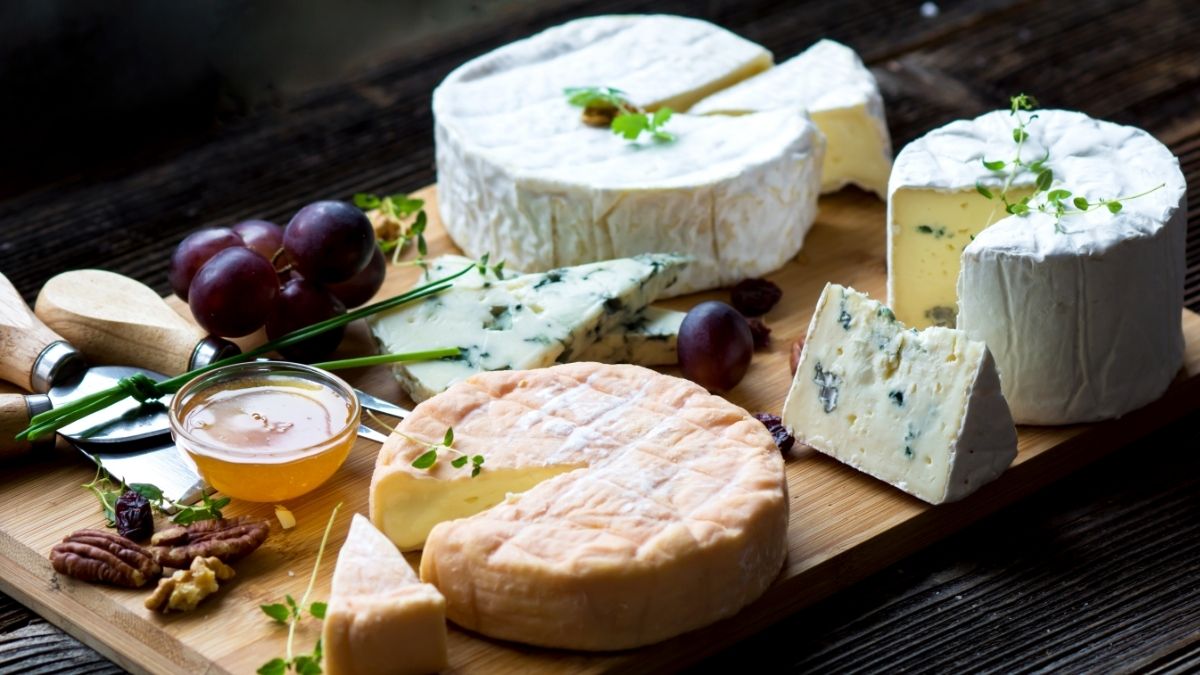

For decades, the message was clear: eat less cheese, choose low-fat, protect your heart. But something has shifted in the research, and the nutritionists paying closest attention to what women specifically need right now are quietly changing what they recommend.
The conversation is not about giving everyone permission to eat unlimited brie. It is about a growing body of evidence suggesting that cheese, particularly for women navigating midlife and beyond, might be doing considerably more good than the old fat-phobia framework ever gave it credit for.
The Bone Health Case That Actually Holds Up
The most straightforward argument for cheese starts in the skeleton. As estrogen declines during perimenopause and menopause, bone loss accelerates dramatically, beginning roughly a year before a woman’s final period and continuing through the first two years of postmenopause.
The recommended daily calcium intake rises to 1,200 milligrams for postmenopausal women, but research consistently shows that most women are averaging only 700 to 800 milligrams per day, and women who avoid dairy come in even lower at around 500 milligrams.
Cheese is one of the densest food sources of calcium available, and nutritionist Rhiannon Lambert points out that it is especially crucial during perimenopause precisely because of this accelerating bone loss.
The Dementia Finding Nobody Expected
This is where the science took a genuinely surprising turn. A massive 25-year Swedish study of nearly 28,000 adults, published in Neurology in late 2025, found that people who ate at least 50 grams of high-fat cheese per day, roughly a third of a cup, had a meaningfully lower risk of all-cause dementia and vascular dementia compared to those eating less than 15 grams daily.
Notably, low-fat dairy showed no such association, pointing to something specific about the fat in cheese, rather than dairy in general.
Researchers from Lund University noted that previous work had also shown neutral or slightly protective associations between cheese and cardiovascular disease, suggesting the fermented matrix of cheese behaves differently in the body than other saturated fat sources.
What the Fermentation Factor Changes
Harvard nutritionist Emily Gelsomin explains that cheese production involves fermentation, which creates compounds that may actively counteract the saturated fat and sodium content.
In particular, bacteria in aged cheeses like Asiago, cheddar, and Parmesan break down milk proteins into compounds that function similarly to ACE inhibitors, a widely used class of blood pressure drugs.
A 2025 study in PLOS ONE also found that higher cheese intake was specifically associated with a lower risk of obesity, while other dairy products showed no such effect. The fermentation and fat matrix of cheese appear to do something metabolically distinct that makes it stand apart even within the dairy category.
The 2025 Dietary Guidelines Finally Caught Up
The shift is now officially in the guidelines. The Dietary Guidelines for Americans 2025 to 2030 now recommend eating full-fat dairy including cheese, a meaningful departure from decades of low-fat-only advice.
For women specifically, the case stacks up across multiple systems: calcium for bones, fermented compounds for the heart, fat-soluble vitamins for skin and immunity, protein for muscle maintenance, and now growing evidence for brain protection.
The nutritionists paying attention are not saying eat more cheese because it is enjoyable, though it is. They are saying eat more cheese because the evidence has genuinely changed.
RELATED ARTICLE: The Simple Grocery Trick That Makes Healthy Eating Much Easier
