


The Dirty Truth About “Pre-Washed” Bagged Lettuce

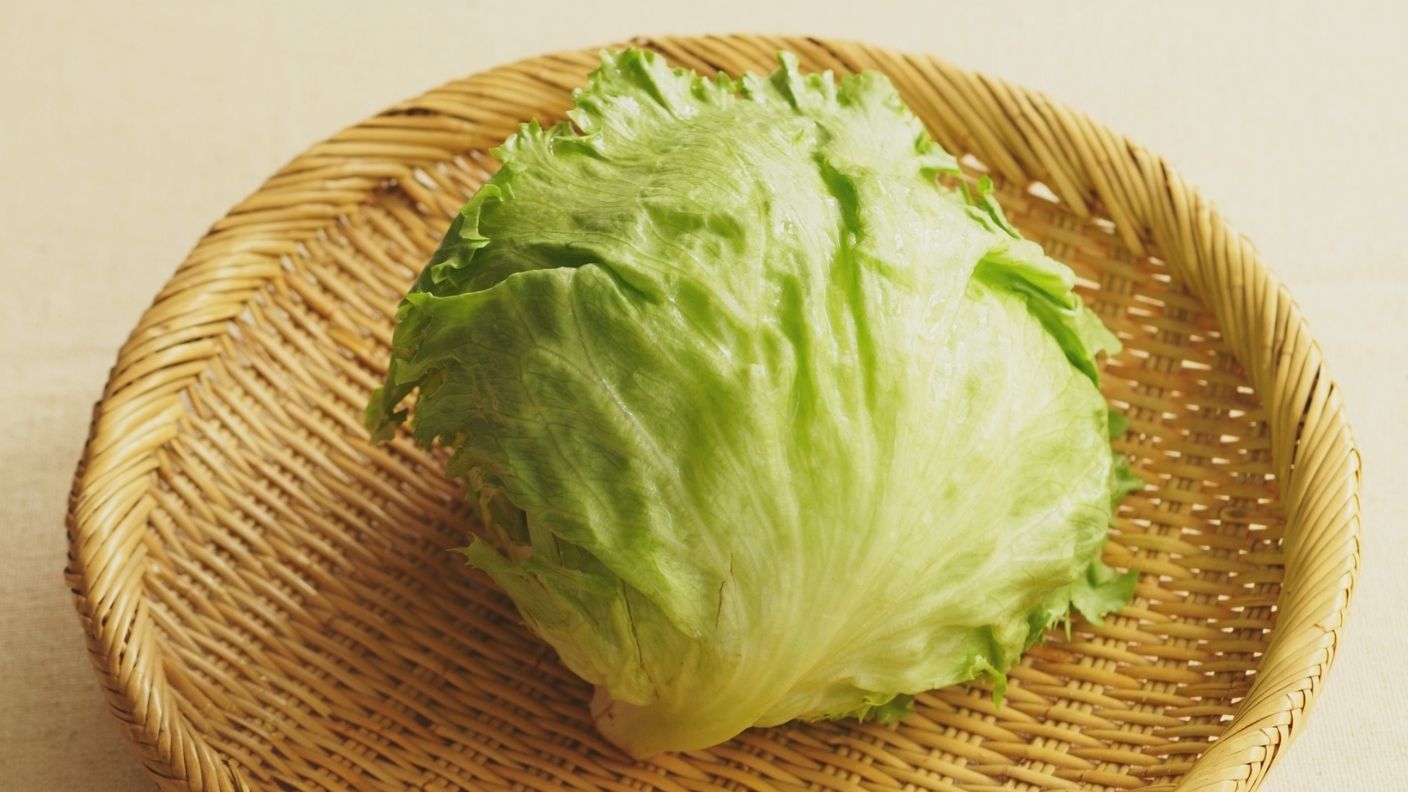

It sits in your fridge looking clean, convenient, and completely trustworthy. The label says “triple washed” and “ready to eat,” and that feels like a promise. But food safety experts, the ones who actually study what goes on inside those bags, have a very different relationship with pre-washed lettuce than the average shopper does. What they know might change how you think about your next salad.
The “Triple Washed” Label Is Not What You Think
The phrase sounds thorough, even clinical. But the triple-washing process removes dirt, not pathogens. It is not sterilization. It is a cleaning step, and there is a significant difference between the two.
According to Consumer Reports, triple washing removes up to 99% of bacteria that can cause foodborne illness, which sounds reassuring until you realize that the remaining 1% in a massive commercial batch can still be enough to make people seriously sick.
The Contamination Problem Goes Deeper Than the Surface
Here is the part that genuinely unsettles food safety researchers. E. coli can enter the plant’s root system through contaminated irrigation water and embed itself inside the cellular tissue of the leaf itself, making surface washing completely ineffective.
The most common source of E. coli in leafy greens is agricultural irrigation water contaminated with animal waste from nearby cattle feedlots, dairies, and livestock operations. No amount of washing, commercial or otherwise, can scrub away a pathogen that lives inside the leaf.
Bagged Lettuce Is Riskier Than a Whole Head
Food safety experts make a distinction most shoppers never think about. Packaged greens are typically sourced from multiple farms and processed together, which means contamination from one batch can spread across many bags.
One food safety lawyer put it memorably: buying a head of romaine lettuce is like taking a bath with your significant other, while buying a bag of romaine is like swimming in a pool in Las Vegas. The more hands and farms involved, the higher the risk.
Rewashing at Home Could Actually Make Things Worse
This is the counterintuitive twist that stops most people in their tracks. Washing pre-washed lettuce at home can increase the risk of cross-contamination by introducing bacteria from your kitchen sink, countertops, cutting boards, knives, colanders, and salad spinners.
Your home kitchen does not adhere to the same rigid safety standards as a commercial food processing facility, which means well-intentioned rinsing can transfer bacteria onto greens that were clean to begin with.
The Moisture Inside the Bag Is a Problem
Even if the lettuce starts out clean, the environment it lives in after packaging creates its own risks. Moisture in the packaging can create an ideal environment for bacteria like E. coli, Listeria, and Salmonella to multiply, and temperature changes during transport and storage only make the conditions more favorable.
The cutting process itself can trap and spread harmful pathogens. One study found that shredded lettuce had eleven times the amount of E. coli compared to uncut lettuce, because cutting releases cell fluids that bacteria thrive on.
What Food Safety Experts Actually Do
The people who study this for a living tend to make a quiet, personal choice at the grocery store. Food safety experts often avoid prepackaged salads because they are riskier than a whole head of lettuce, and instead opt for heads they wash and prepare themselves at home.
Buying whole heads of lettuce and preparing them yourself significantly reduces exposure to the kind of large-scale cross-contamination that happens in centralized processing plants. It takes an extra five minutes, and it turns out that five minutes might matter more than the label on the bag ever could.
RELATED ARTICLE: Why Nutritionists Say Frozen Vegetables Are Underrated
