


Why Nutritionists Say Frozen Vegetables Are Underrated

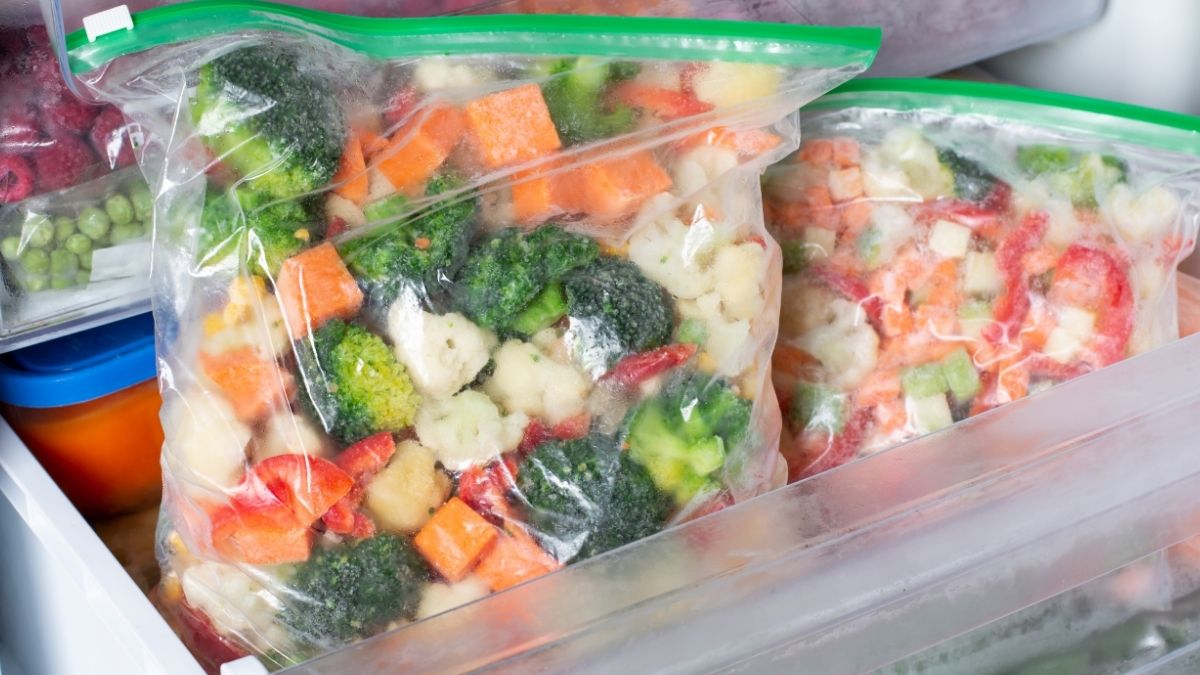

The fresh produce aisle has always felt like the “right” choice. Bright colours, dewy surfaces, and the general feeling that you are doing something good for yourself. But nutritionists have been quietly disagreeing with that instinct for years, and the research is firmly on their side.
Frozen vegetables, it turns out, are not the inferior option. For most people buying groceries on a regular week, they might actually be the smarter one.
The Harvest Timing Nobody Talks About
The biggest misconception about frozen vegetables is that they are somehow less than fresh. In reality, the opposite is often true. Vegetables destined for freezing are harvested at peak ripeness, then blanched and flash-frozen within hours.
Vegetables sold fresh, by contrast, are typically picked early to survive transport and can spend days or weeks in transit before reaching the shelf.
Fresh spinach, for example, can lose up to 75% of its vitamin C within seven days of harvest when stored in the refrigerator. Frozen spinach, picked and frozen at its peak, holds onto those nutrients until the moment it hits the pan.
What the Science Actually Shows
A UC Davis study commissioned by the Frozen Food Foundation found that the nutritional value of water-soluble vitamins, including riboflavin and vitamin C, was generally the same or greater in frozen produce compared to fresh. Freezing also had a positive effect on vitamin E content.
Research comparing frozen broccoli to its fresh-stored counterpart found that the frozen version had higher levels of vitamin C, lutein, and four times more beta-carotene.
A lead researcher at the University of Georgia described the freezing process as “nature’s pause button,” a process that does not destroy nutrition but preserves it.
The British Heart Foundation, the American Heart Association, and Harvard Medical School all agree that frozen produce is a sound, healthy choice.
The Practical Case Is Just as Strong
Registered dietitian Wesley McWhorter puts it plainly: frozen vegetables are often cheaper, and there is no spoilage. They last a long time, which means no guilt over wilting broccoli at the back of the crisper drawer and no rushing to use up produce before it turns.
Frozen peas and broccoli are loaded with fiber and immune-boosting vitamin C. Frozen spinach is rich in vitamin K, folate, and iron. They also come pre-washed and ready to cook, which removes one more barrier between a busy evening and an actual vegetable on the plate.
The “fresh is always best” rule was never really a rule. It was a feeling. And the science has been gently correcting it for decades, one bag of frozen peas at a time.
RELATED ARTICLE: 6 Frozen Foods That Are Surprisingly Good for Longevity
