


The Cooking Habits That Make Homemade Food Taste So Much Better

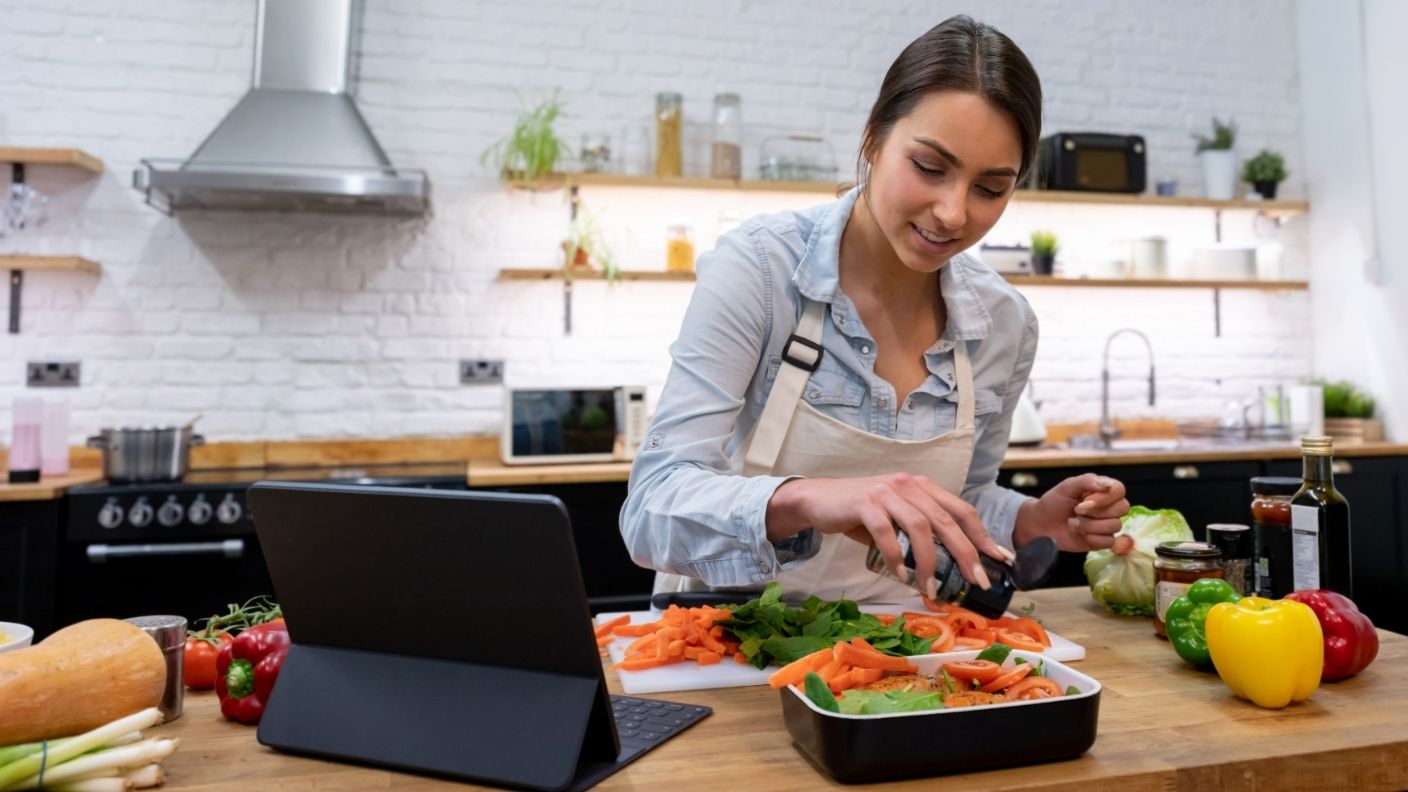

Two people can follow the same recipe, buy the same ingredients, and end up with dinners that taste nothing alike. The difference rarely lies in the ingredient list.
It lives in small moves made at the stove, the kind that never appear in the recipe itself. Here are eight worth turning into routine.
Tasting as You Go
Chef and author Samin Nosrat has said that the most important skill for any cook is learning how to taste. She recommends checking for salt, fat, and acid throughout cooking, not only at the end.
Each taste is a chance to fix something while it’s still fixable.
A spoon in the sauce at the halfway point tells you more than a recipe can. Keep a clean spoon nearby and use it often, since a dish tasted three times usually ends up better than one tasted once.
Finishing With Acid
Rich or long-cooked dishes often taste heavy or flat, and the cause is usually missing acid. A squeeze of lemon, a splash of vinegar, or a spoonful of tomato paste wakes everything up.
It works because acid brightens flavors without adding a sour taste of its own.
Add it after seasoning with salt, then taste again. Soups, stews, beans, and pan sauces are the usual beneficiaries, and a little goes a long way.
Blooming Spices in Oil
Ground spices add far more flavor when they’re warmed in fat before the other ingredients go in. Heat a tablespoon or two of oil over medium heat, add the spices, and stir for 30 to 60 seconds, until fragrant.
The oil carries flavor compounds that dry heat leaves behind.
Move quickly to the next ingredient once the aroma rises, since ground spices burn fast and turn bitter. Whole spices benefit from a dry toast in a hot pan before grinding.
Deglazing the Pan
The brown bits stuck to the bottom of a pan after searing, called fond, are concentrated flavor. Pouring in about half a cup of broth, wine, or water and scraping them loose turns them into the base of a sauce.
Let the liquid reduce by about half to deepen the taste.
That’s all a pan sauce requires. Skipping this step means washing the best-tasting part of the meal down the drain.
Finishing With Fresh Ingredients
Long cooking dulls aroma, so many dishes taste better with something fresh added just before serving. Chopped herbs, citrus zest, raw scallions, or a drizzle of good olive oil restore what the heat took away.
It takes seconds and changes the whole impression of the plate.
Soft herbs like parsley, cilantro, and basil are best added at the very end. Hardy ones like rosemary and thyme can go in earlier without losing much.
Patting Food Dry Before Searing
Water on the surface of meat or vegetables holds the temperature near 100°C (212°F), which is too cool for proper browning. Browning reactions work best at higher temperatures, so wet food tends to steam instead of sear.
A few paper towels solve the problem in seconds.
Pat chicken, steak, fish, and mushrooms dry before they hit the pan. The difference is a deeper color and a more savory crust.
Knowing Your Salt
Different salts measure differently. By volume, one part table salt is roughly equal to 1.5 parts Morton kosher salt or 2 parts Diamond Crystal kosher salt.
Swapping one for another measure for measure can ruin a dish.
If a recipe was written with one type and you use another, start with less and adjust by taste. Sticking with a single salt in your kitchen makes seasoning more predictable.
Setting Everything Out First
Professional cooks call it mise en place, which simply means measuring, chopping, and arranging ingredients before the heat goes on. At home, it prevents the scramble that leads to burned garlic and forgotten steps.
It also lets you pay attention to the food in the pan.
Even a quick version helps. Read the recipe all the way through, chop the vegetables, and put out the spices, and the cooking itself becomes calmer and more precise.
Habits Beat Gadgets
None of these steps requires special equipment or expensive ingredients. They require attention, and the willingness to do a few small things the same way every time.
Pick one or two to start, and let them become automatic.
Over a few weeks, the improvement tends to add up. Food begins to taste more like it does at a good restaurant, even though the kitchen hasn’t changed at all.
RELATED ARTICLE: The Ground Meat Mistakes That Can Ruin an Otherwise Good Recipe
