


The Ground Meat Mistakes That Can Ruin an Otherwise Good Recipe

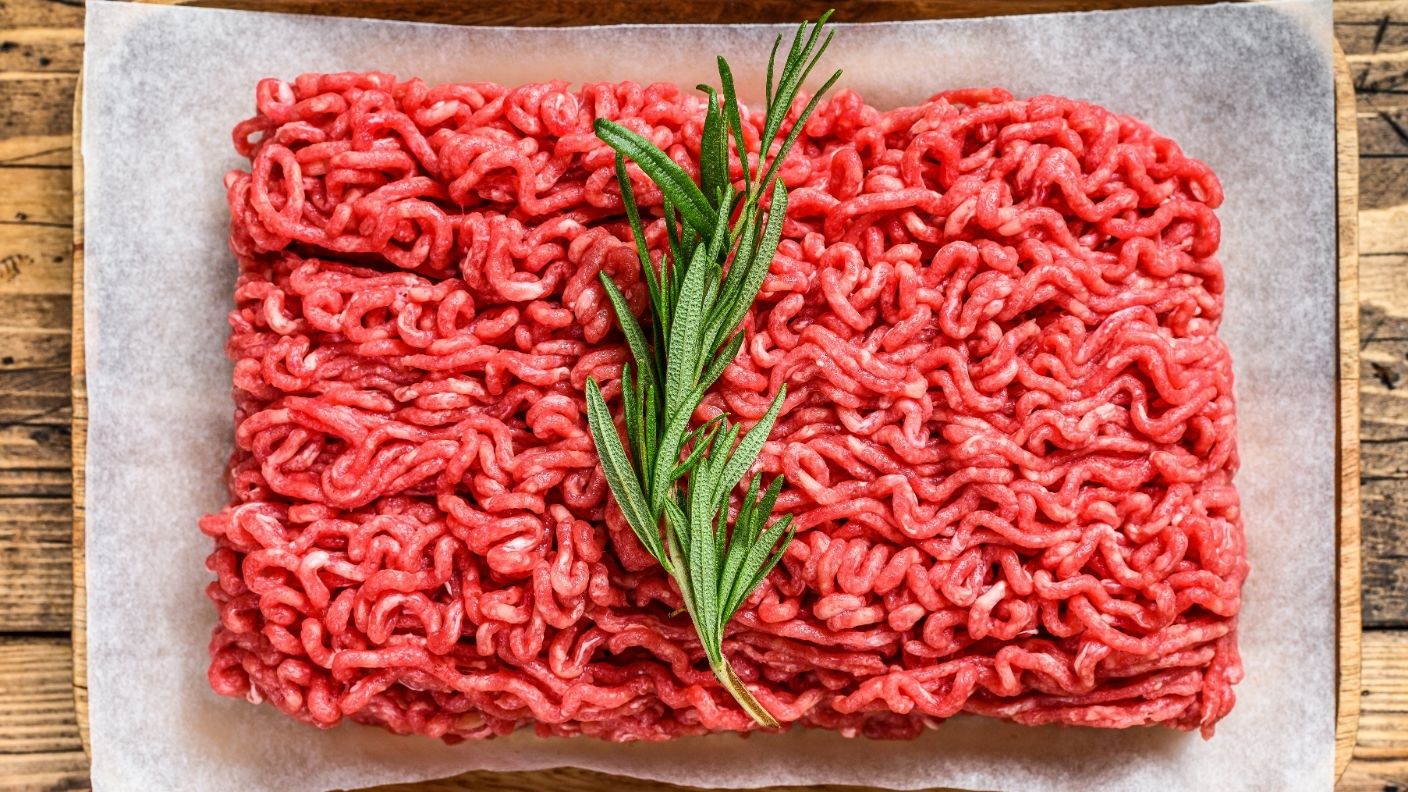

A recipe can have the right seasoning, the right cook time, and still come out wrong. More often than not, the problem started before the pan even got hot, in how the meat itself was handled.
Ground meat is more sensitive to handling than most people assume. A few small habits, repeated out of routine rather than any real reason, are usually what stands between a good meatball and a dense one.
Working the Meat More Than It Needs
Mixing ground beef by hand feels like it should help everything combine evenly, so there’s a natural instinct to keep going a little longer than necessary. That instinct is exactly what causes trouble.
The more ground meat gets handled, the more compressed it becomes, trading a light texture for something noticeably denser once it hits the heat.
Part of what’s happening is chemical rather than just physical. Overhandling activates a protein called myosin before the meat ever reaches the stove, and that early activation can cause it to set up wrong, leading to a tougher finished texture instead of a tender one.
A light touch, just enough to combine ingredients and no more, avoids both problems at once.
Salting It Before It Ever Touches the Pan
Seasoning ahead of time seems like good practice with most proteins, but ground meat works differently. Salt added too early starts pulling moisture out of the meat well before cooking begins.
That happens through osmosis, as water moves from inside the meat toward the higher salt concentration sitting on its surface.
At the same time, that early salt begins dissolving some of the same structural proteins involved in overmixing, which can trap water into a firmer, denser texture rather than keeping it tender. The fix is simply timing: season once the meat is already in the pan and cooking, not before.
That small delay keeps the texture intact while still delivering full flavor.
Pressing Down on It While It Cooks
Pressing a burger patty with a spatula feels productive, like it should speed up cooking or create better browning. In practice, it does neither.
What it actually does is force out the juices that were keeping the patty moist in the first place.
Those juices don’t return once they’ve hit the pan, which is why a pressed patty so often turns out noticeably drier than one left alone. A light dimple pressed into the center before cooking, rather than pressure applied throughout, helps the patty hold its shape without squeezing out what makes it good.
The only real exception is a deliberately smashed-style patty, where thinness is the entire point from the start.
Grabbing the Wrong Fat Ratio for the Dish
Not every ground beef package is interchangeable, even though they often sit side by side at the same price point. The fat percentage printed on the label actually matters quite a bit depending on what’s being made.
A blend like 90/10 works fine in a sauce loaded with other moisture, but it struggles on its own in a burger.
Burgers specifically benefit from a fattier blend, generally around 80/20, since that fat renders slowly and keeps the patty tender as it cooks. Reach for the same lean blend in a recipe like this and dryness is almost guaranteed, no matter how carefully everything else is handled.
Matching the ratio to the recipe solves a problem before it has the chance to start.
Leaving the Meat in Big Unbroken Clumps
Dumping ground meat into a hot pan and walking away for a few minutes often leaves it in large, dense chunks rather than small, evenly browned pieces. That matters more than it looks like it should.
Big clumps trap steam on the inside while the outside browns, creating uneven texture throughout the batch.
Breaking the meat apart as it cooks, rather than after the fact, lets heat reach more surface area at once and produces a more even sear across the whole pan. It’s a small, almost mindless step, but skipping it is often the difference between a dish that tastes properly browned and one that tastes merely cooked through.
Taken together, none of these habits are dramatic on their own, but they tend to compound. A recipe built on meat handled gently, salted at the right moment, and matched to the right fat content rarely needs much saving at all.
RELATED ARTICLE: Why Some Ground Meat Releases So Much Liquid in the Pan
