


Sweet Potatoes vs Rice for Healthy Aging — Here’s What Nutrition Science Actually Says

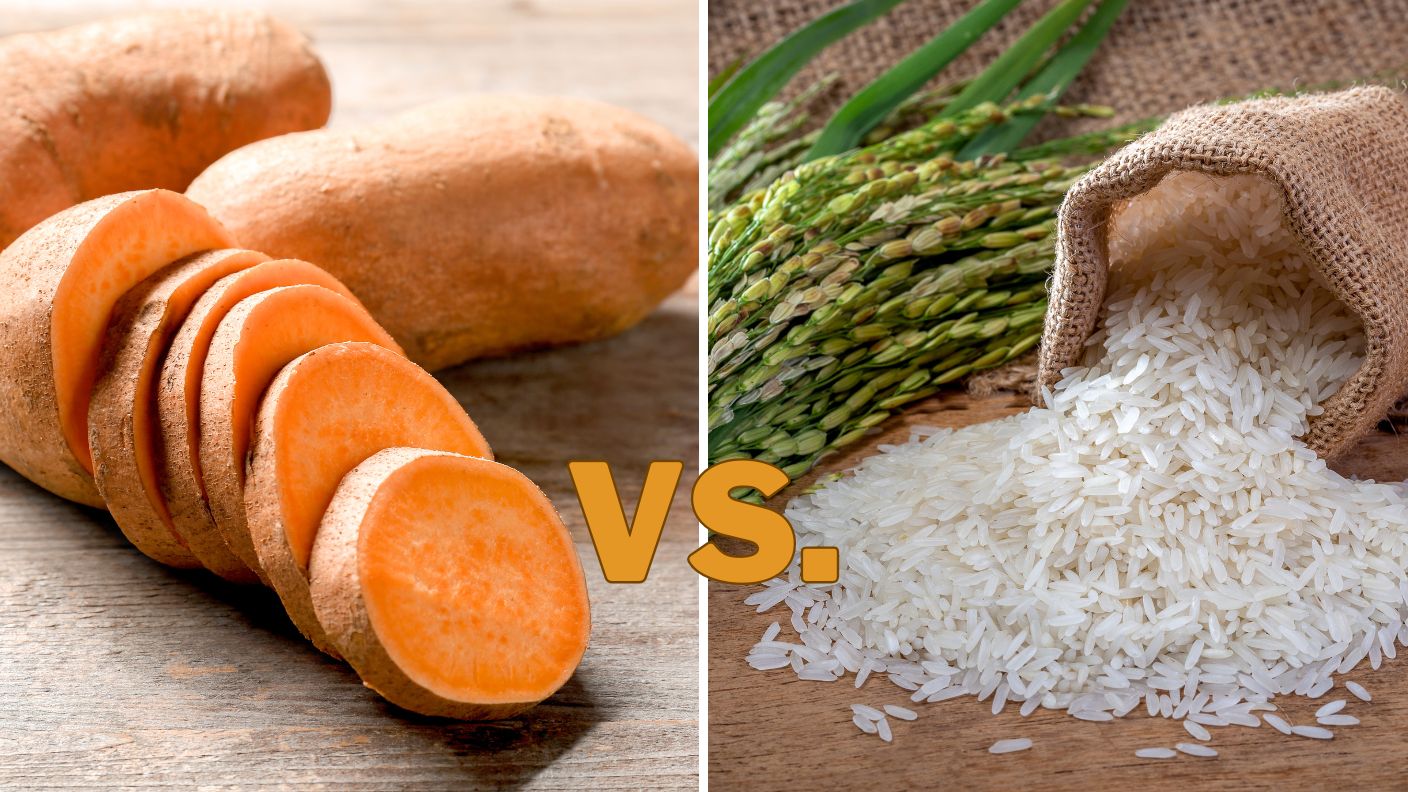

Two humble carbs, one orange and one white, have somehow ended up at the center of one of the most interesting conversations in nutrition. Both have been eaten by some of the longest-living people on the planet. Both have their defenders. And depending on who you ask, one of them is quietly doing a lot more for your body than the other.
The answer, as with most things in nutrition, is more interesting than the debate suggests.
The Longevity Connection You Did Not Expect
Before getting into the science, there is a piece of context worth knowing. In Okinawa, Japan, one of the world’s most celebrated Blue Zones where centenarians are famously common, nearly 80% of daily calories historically came from rice and sweet potatoes combined.
Okinawans actually consumed more sweet potato than rice, with the island’s purple variety serving as a daily staple, while rice played a smaller role than it does on the Japanese mainland. Both foods live in the same longevity story, but they do not play equal parts.
What Sweet Potatoes Are Doing Under the Surface
Sweet potatoes are doing several things at once that rice simply cannot match. One cup of baked orange sweet potato provides more than double the daily recommended intake of beta-carotene, the antioxidant that converts to vitamin A in the body and has been linked to reduced oxidative stress, inflammation, and cellular aging.
A 2025 study published in Food Science and Nutrition found that sweet potato bioactive compounds, including polyphenols, flavonoids, and anthocyanins, can stimulate collagen production, protect skin cells from UV damage, and slow the visible aging process.
The same compounds that make the orange and purple varieties so colorful are doing significant work at the cellular level.
The Collagen and Skin Angle
This is where sweet potatoes pull decisively ahead for anyone thinking about how they age from the outside in.
Vitamin C in sweet potatoes actively boosts collagen production, while vitamin E neutralizes the free radicals that accelerate visible aging. Potassium and pantothenic acid work together to keep skin hydrated from within.
Rice offers virtually none of this. White rice provides almost no vitamin A and minimal vitamin C, making it nutritionally passive where skin and cellular aging are concerned.
Blood Sugar and Why It Matters More Than You Think
Blood sugar control is one of the most significant factors in how quickly the body ages, and this is where the comparison gets genuinely nuanced.
White rice has a higher glycemic index than sweet potato, particularly boiled sweet potato, meaning it raises blood sugar more sharply and quickly.
A 2024 randomized crossover study from the University of Toronto found that meals containing potato reduced blood sugar responses more effectively than equivalent meals containing rice, improving both glycemic control and satiety.
The sweet potato’s lower glycemic impact means steadier energy, fewer blood sugar spikes, and less of the internal inflammation that drives premature aging.
The Case for Rice That Deserves Respect
Rice is not without merit, and dismissing it entirely misses the point. Brown rice in particular contains prebiotic fiber that feeds healthy gut bacteria, selenium, folate, and magnesium for bone health.
In Blue Zone populations that consume rice daily, it is always paired with an abundance of vegetables, fermented foods, and fish, which changes what it does in the body considerably.
When people followed an Okinawan-based diet for 12 weeks, their blood sugar, insulin, and cholesterol levels all decreased and gut microbiota improved, suggesting that rice within the right dietary context behaves very differently than rice eaten alongside processed foods.
So Which One Actually Wins
For pure nutritional density, especially in the context of aging, sweet potatoes carry more firepower. The antioxidants, the vitamin A, the vitamin C, the fiber, the blood sugar response, and the collagen-supporting compounds all point in the same direction.
But the longer story from the world’s longest-living populations is that both foods earned their place at the table by being surrounded by vegetables, eaten in reasonable portions, and paired with a life that included movement, community, and very little ultra-processed food.
The sweet potato might be the more powerful choice, but rice eaten the Okinawan way has kept people alive and sharp well past 100. The carb is rarely the whole story.
RELATED ARTICLE: Why Nutritionists Are Suddenly Recommending Cottage Cheese Again
