


Why Nutritionists Are Suddenly Recommending Cottage Cheese Again

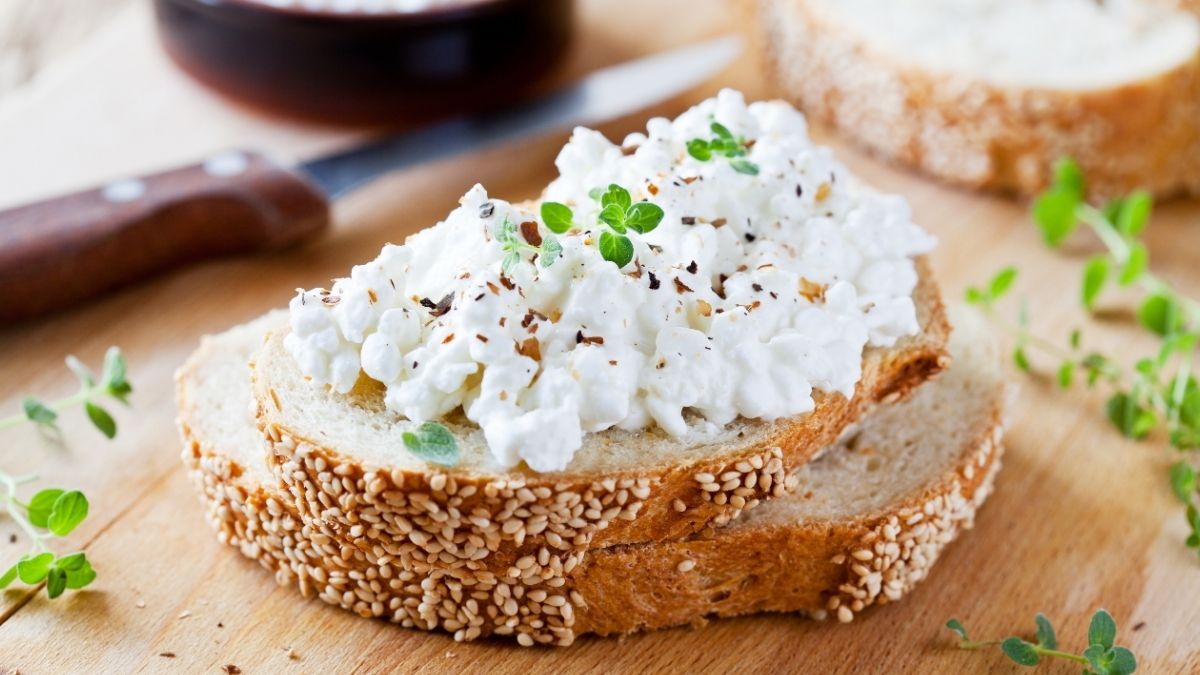

There was a time when a scoop of cottage cheese on a diner plate meant you were on a diet. It sat next to a hamburger patty and a slice of melon and announced to the whole restaurant that you were being very, very responsible. That reputation stuck for decades. And then TikTok arrived.
Cottage cheese is now one of the fastest-growing food categories in American grocery stores, and the science behind its comeback is more interesting than anyone expected.
The Numbers Tell the Story
US retail sales of cottage cheese jumped roughly 17% in both 2023 and 2024, then surged another 20% in the following year. Per capita consumption reached its highest level since 2009, reversing years of quiet decline.
Some brands have seen such explosive growth that they are struggling to keep shelves stocked. Organic Valley reported its cottage cheese growing more than 30% in the first half of 2025 compared to the previous year, with one marketing manager stating simply that it is selling faster than they can make it.
What Actually Changed
The turning point was TikTok, where cottage cheese became the number one food trend of 2023 according to the platform’s own annual report. Videos of blended cottage cheese being turned into creamy “ice cream,” protein flatbread, pasta sauces, and pancakes racked up millions of views and rewired how an entire generation thought about the food.
The genius of the viral moment was that it solved cottage cheese’s oldest problem: texture. Blended smooth, it becomes something entirely different and far more craveable.
The Science Nutritionists Actually Care About
The real reason nutrition professionals are paying attention goes deeper than the recipes. Cottage cheese contains roughly 80% casein protein, a slow-digesting form that releases amino acids gradually over several hours rather than all at once.
A registered dietitian explained that this slow digestion actively supports satiety and appetite control, making it genuinely helpful for weight management in a way that many trendy high-protein foods simply do not deliver.
Why It Beats the Competition
The comparison to Greek yogurt comes up constantly, and cottage cheese edges it out on protein per serving, delivering roughly 25% more per cup. Its casein content also makes it particularly useful as a pre-sleep snack, since the body absorbs it slowly throughout the night rather than in a single rush.
The food that once spent thirty years being associated with reluctant dieting has quietly become one of the most nutritionally efficient choices in the refrigerated aisle. The curtain is back up on cottage cheese, and this time it does not look like it is leaving anytime soon.
RELATED ARTICLE: The #1 Breakfast for Healthy Aging
