


Organic vs Conventional Produce for Health

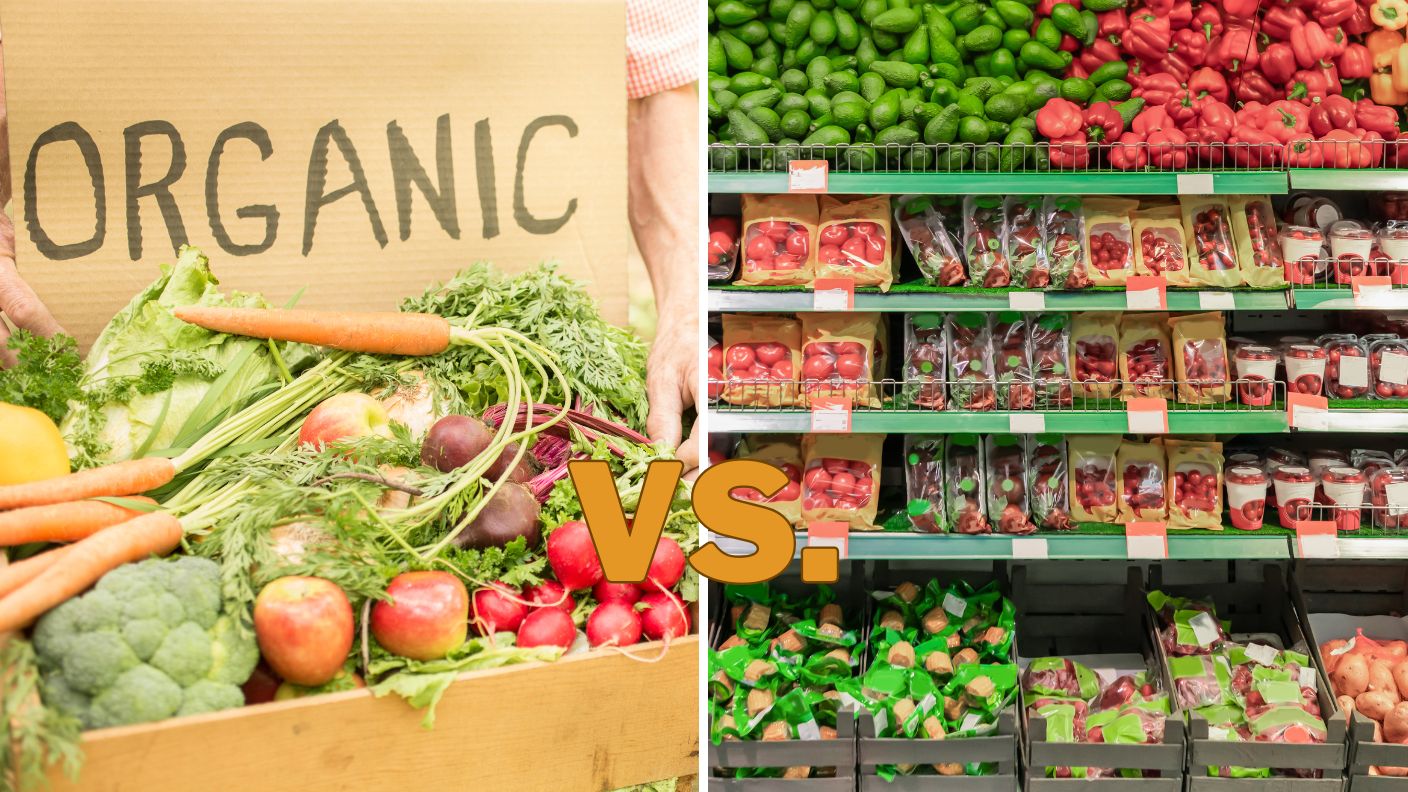

Walk into any grocery store and the organic section is right there, usually with a price tag that makes you do a quiet internal calculation. Is it worth it? Does it actually make a difference to your health?
The answer is genuinely more nuanced than either side of the debate tends to admit, and the most useful information is somewhere in the middle.
What Organic Actually Means
Organic produce is grown without synthetic pesticides, synthetic fertilizers, genetically modified organisms, or sewage sludge. That sounds like a lot, but the core of it comes down to one thing most people actually care about: less chemical exposure.
The nutritional differences between organic and conventional are real but modest. The pesticide differences are considerably more significant.
What the Research Actually Shows
A 2025 systematic review published in Nutrition Reviews analyzed twelve human studies comparing organic and conventional produce consumption. The findings were honest about the complexity.
Only six of the twelve studies found significant associations between organic food and improved health outcomes.
The researchers concluded that the current evidence does not allow a firm conclusion that organic produce produces meaningfully better health outcomes than conventional.
But a separate systematic review found something worth paying attention to. Longitudinal studies linked higher organic intake to reduced incidence of infertility, birth defects, allergic sensitization, metabolic syndrome, and non-Hodgkin lymphoma. These are not minor findings, even if the research is not yet airtight.
The Pesticide Question
This is where the conversation shifts from ambiguous to clear.
The Environmental Working Group’s 2025 Shopper’s Guide analyzed over 54,000 samples of 47 fruits and vegetables using USDA data, and for the first time this year incorporated pesticide toxicity into the rankings, not just presence and quantity.
More than 95 percent of conventional samples on the Dirty Dozen list contained pesticide residues. The most frequently detected pesticide across all produce is a PFAS compound, one of the so-called forever chemicals. Three of the ten most frequently detected pesticides are PFAS chemicals, which accumulate in the body and do not break down.
The Dirty Dozen in 2025
Spinach now tops the Dirty Dozen list for the first time, displacing strawberries after nine consecutive years at the top. Also on the list: strawberries, kale, peaches, grapes, dark leafy greens, blueberries, and two newcomers.
Blackberries made the list for the first time after the USDA tested them for the first time in 2023, finding pesticide residues on 93 percent of samples including cypermethrin, classified as a possible human carcinogen.
Potatoes joined the list with 90 percent of samples testing positive for chlorpropham, a chemical the European Union banned in 2019.
Where Conventional Is Perfectly Fine
Here is the part that makes this practical rather than expensive. Almost 60 percent of Clean Fifteen samples had no detectable pesticide residues at all.
Avocados, pineapples, papayas, onions, sweet corn, and bananas are among the lowest-risk conventional options.
If budget is a real factor, buying organic versions of the Dirty Dozen and conventional versions of the Clean Fifteen is a smart middle path that most nutritionists and researchers actually endorse.
The Bigger Picture
EWG scientists themselves are consistent on one point: eating plenty of fruits and vegetables, regardless of how they are grown, is more important than any of these distinctions.
Avoiding produce entirely because of pesticide concerns would cause far more harm than any residue. The Dirty Dozen list exists not to frighten people away from spinach but to help them make more informed choices when they have the option.
The honest answer is that organic matters most for a specific subset of produce, consistently so, and makes very little practical difference for others.
Knowing the difference between those two categories is probably the most useful thing you can take out of this entire conversation.
RELATED ARTICLE: Why Nutritionists Say Frozen Vegetables Are Underrated
