


Nutritionists Say These Are the Healthiest Frozen Foods

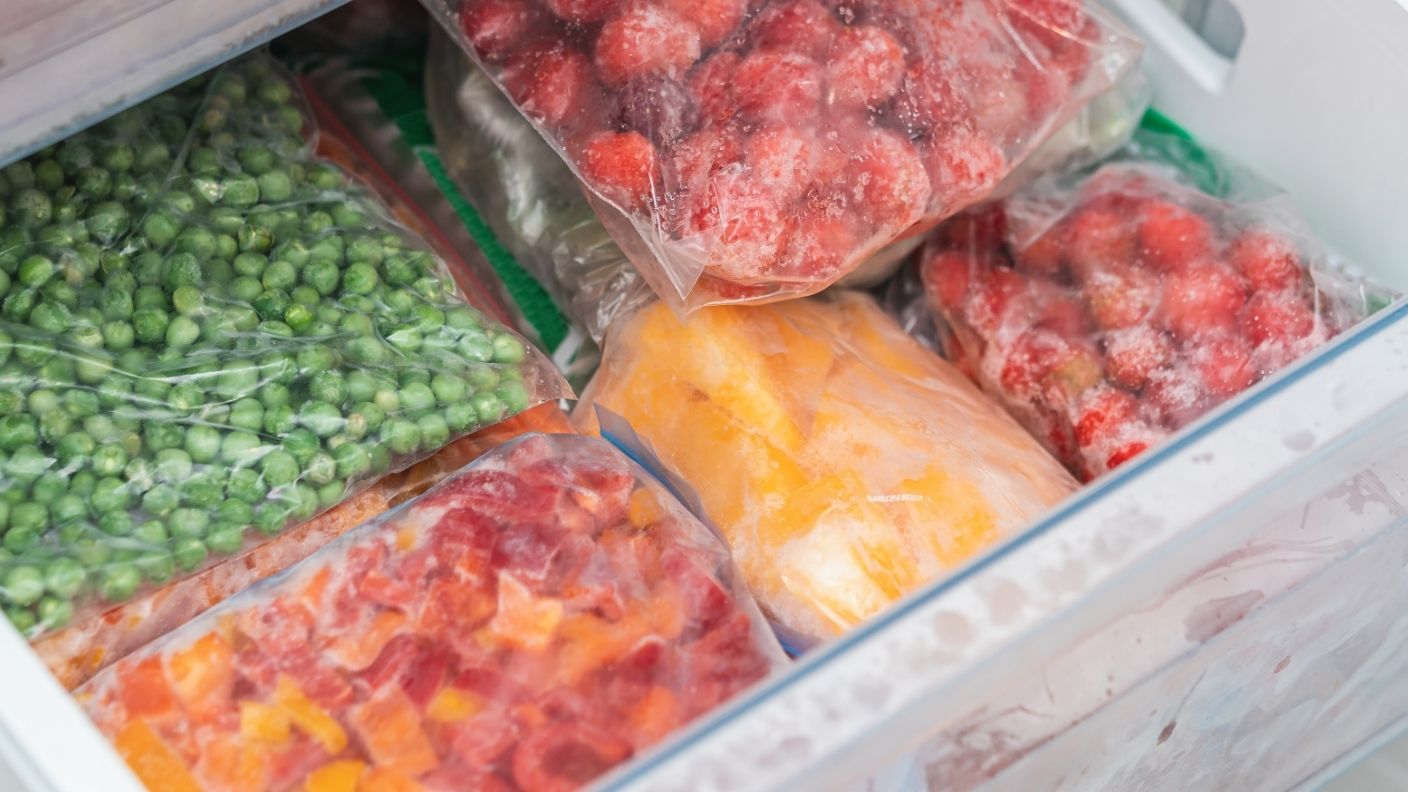

Walking past the freezer aisle without grabbing anything feels like the health conscious move, but dietitians say that instinct might actually be costing you nutrients rather than protecting them.
Frozen fruits and vegetables are often picked and frozen within hours of harvest, which can lock in vitamins that fresh produce slowly loses on its long trip to the store. Some frozen staples even come recommended again and again by registered dietitians who keep them in their own freezers.
Here are the frozen foods nutrition experts say are actually worth stocking up on.
Frozen Peas
One dietitian told TODAY.com that “green peas are a big winner,” pointing to their mix of plant protein, fiber, and vitamin C. A cup also delivers iron and antioxidants, making peas an easy add-in for soups, pastas, or rice.
Frozen Blueberries
Frozen blueberries hold onto more than just their color. According to one registered dietitian, they have been linked to gut health and lower inflammation thanks to their fiber and antioxidant content.
Frozen Edamame
This plant-based bean is a favorite for a reason. A cup of shelled edamame provides close to 18 grams of protein, along with fiber, iron, and calcium, making it a filling snack straight from the freezer.
Frozen Salmon
Frozen fish is not a downgrade from the fresh case, dietitians say. Since it is often frozen at peak freshness, salmon retains its omega-3s and protein while staying cheaper and easier to keep on hand.
Frozen Broccoli
Broccoli loses a small amount of its nutrients in the freezing process. Even so, one dietitian notes it is still very healthy, since it holds onto most of its fiber, vitamin C, and vitamin K.
None of these foods require a special trip or a bigger grocery budget. Keeping a few of them stocked in the freezer is an easy way to eat closer to what nutritionists actually recommend, even on the busiest weeks.
RELATED ARTICLE: Frozen vs Fresh Vegetables: Which Is More Nutritious?
