


Is It True That Spicy Food Boosts Metabolism Enough To Matter?

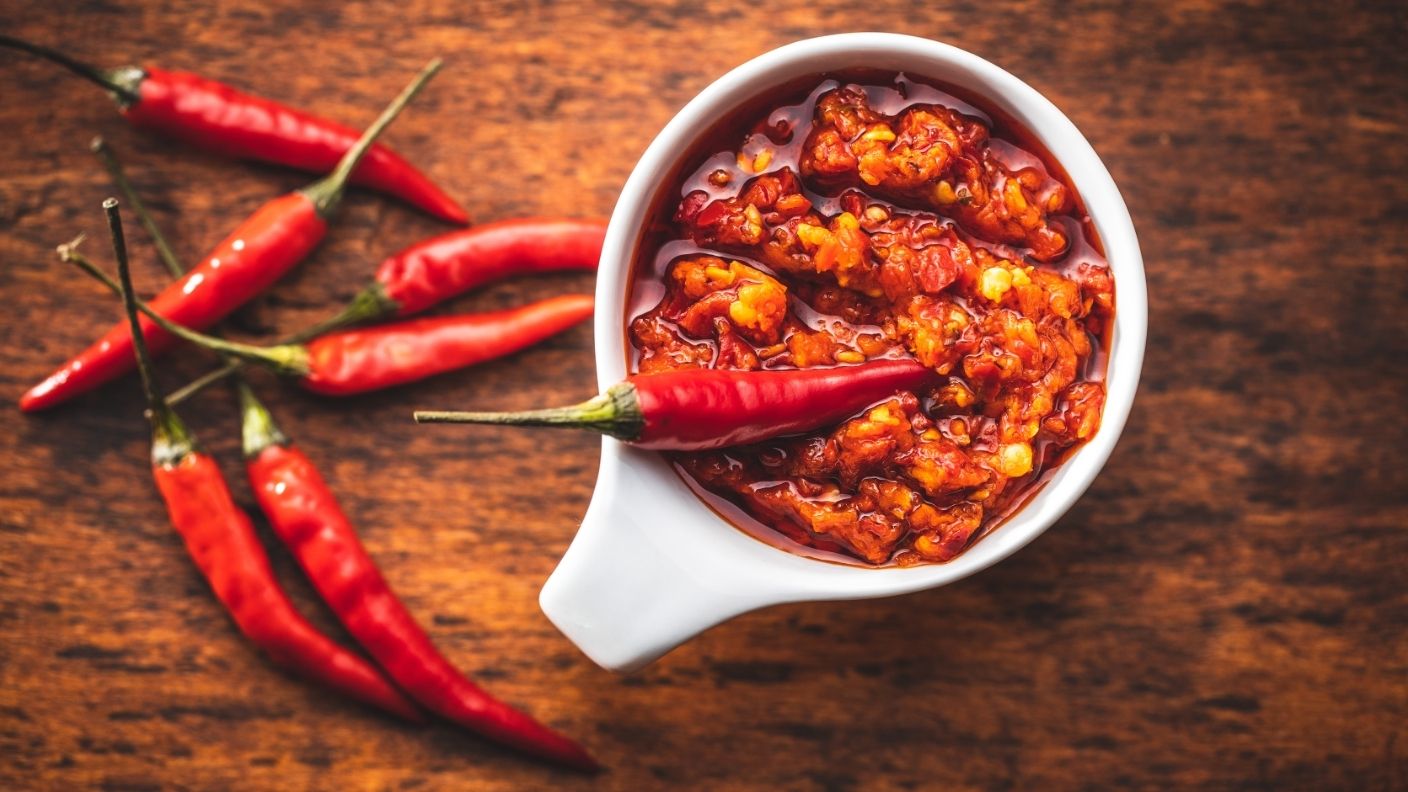

Few kitchen claims have lasted as long as the idea that a bowl of chili can help burn off the meal that came with it. The theory sounds plausible, and the burn on the tongue feels like proof that something is happening. The research tells a more detailed story, and the answer depends on what “enough to matter” means.
What Capsaicin Does in the Body
Capsaicin is the compound that gives chile peppers their heat. Much of the research on spicy food centers on it, and some studies suggest it may help the body break down fat and burn a little more energy.
The effect is real, but it is mostly short-lived. It shows up in the hours after a spicy meal rather than as a lasting change to how the body runs.
How Many Calories It Burns
The numbers are small. A review in the journal Pharmaceuticals describes the effects on energy expenditure as small and inconsistent, with one meta-analysis finding about 70 extra calories a day, and only in men with a BMI above 25.
Another trial of a related compound found roughly 50 calories a day, which falls within normal day-to-day variation. That is about the energy in a few bites of an apple, hardly a reason to rely on hot sauce.
The Appetite Effect
Spice may matter more for hunger than for burning calories. Capsaicin may act on the brain region that controls hunger and fullness, so people can feel satisfied sooner and tend to eat less overall, according to Cleveland Clinic dietitian Patricia Bridget Lane.
In one 12-week trial, participants taking capsaicin reported eating about 257 fewer calories a day. The same review notes that part of this fullness may come from digestive discomfort, so it is not always a pleasant route.
Why the Effect Fades
The body adapts to spice. The researchers note that repeated exposure causes desensitization, which is a likely reason everyday chili eating has not been shown to protect against obesity in the long run.
Weight loss in clinical trials was small too, with one trial showing a difference of about 2% from placebo. Most studies also carried a risk of bias, so the findings should be read with some caution.
What Large Population Studies Show
A 2015 study of nearly 500,000 adults found that people who ate spicy food almost daily had a 14% lower risk of premature death than those who ate it less than once a week. Harvard researcher Lu Qi said capsaicin may improve markers such as blood fats and inflammation.
That is an association, not proof. People who season with spice may also use less salt, and the research on spicy food overall is described as mixed.
How to Enjoy Spice Without Overdoing It
Spice can be a useful part of a balanced plate, as long as expectations stay realistic. Lane stresses that overall diet matters more than any single ingredient, and heat will not cancel out a diet heavy in sugar and processed foods.
If you are new to heat, start with milder peppers, since too much can cause mouth burning and stomach trouble. Many hot sauces are also high in sodium, so a quick look at the label is worthwhile.
RELATED ARTICLE: Why You Should Never Eat Carbs Alone: The “Food Order” Hack That Stops Fat Accumulation
