


I Ate Only Whole Foods for 30 Days—The Results Shocked Me

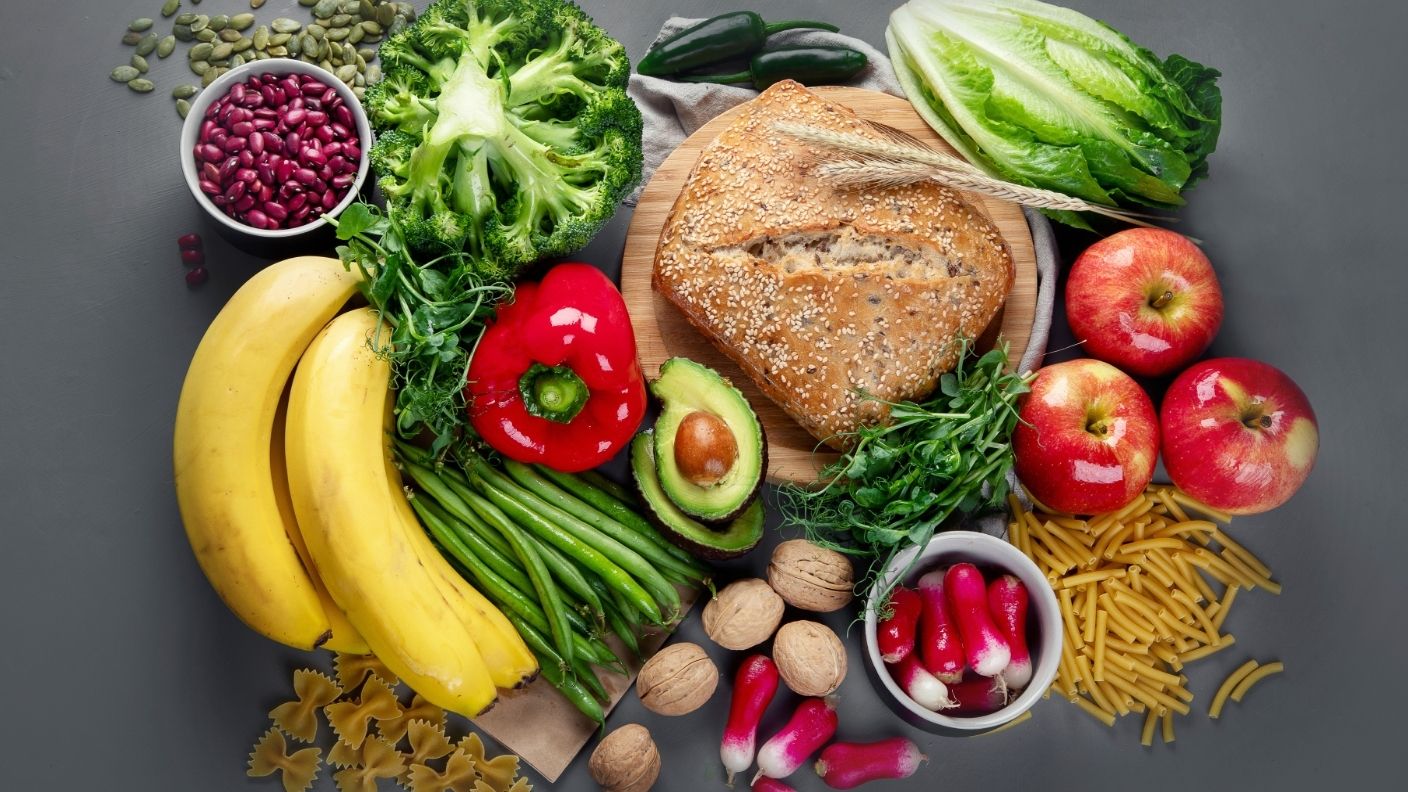

Thirty days felt like a reasonable amount of time to commit to when I signed up for this. No packaged snacks, no sauces with ingredient lists longer than the recipe itself, nothing that didn’t resemble actual food before it got to my plate.
I figured I’d feel a little better and call it a win.
What actually happened over the course of the month went well past “a little better,” and some of it caught me completely off guard.
The First Week Felt Harder Than I Expected
I assumed cutting out packaged food would mostly be a logistics problem, figuring out what to eat instead of grabbing something from a box. Instead, the first few days came with a kind of fog and irritability I hadn’t planned for.
Cravings for sugar also showed up, and felt almost out of proportion to how little of it I actually used to eat before this.
That reaction tracks with what shows up in research on ultra-processed food intake. A controlled NIH study found that people eating an ultra-processed diet consumed roughly 500 more calories a day than when eating whole, unprocessed meals.
That held true even when both diets were matched for sugar, fat, fiber, and salt content.
That extra 500 calories wasn’t coming from hunger. It was coming from how easy those foods were to overeat without noticing, which made the first week of cutting them out feel like withdrawal more than willpower.
My Energy Leveled Out By the Second Week
The afternoon crash I used to treat as a personality trait quietly disappeared somewhere around day ten. I hadn’t been tracking it closely, so I only noticed because I stopped reaching for coffee at three in the afternoon out of habit.
Meals built around whole foods tend to digest more slowly and steadily than heavily processed ones, which blunts the sharp blood sugar spike-and-crash pattern that a lot of packaged snacks and refined carbs create.
Once that pattern evened out, the 3 p.m. slump simply stopped showing up.
By the third week, that steadier energy had become the new normal rather than something I was actively noticing each day.
The Scale Moved, But Not for the Reason I Expected
I lost weight, but I hadn’t been counting calories or trying to eat less overall. If anything, I was eating more food by volume than before, just food that happened to come without a nutrition label.
That lines up with what the NIH’s controlled feeding study actually demonstrated. The extra calories people ate on an ultra-processed diet weren’t a matter of character.
They came from how quickly those foods get consumed and how little they trigger the body’s normal fullness signals.
Cutting that category out didn’t require restriction in the traditional sense. The calorie deficit showed up on its own once the foods built to be overeaten were gone.
My Follow-Up Bloodwork Showed Real Changes
I got labs done before starting and again at the end of the month, mostly out of curiosity more than expectation. My total cholesterol and triglycerides had both dropped, and my fasting blood sugar came in lower than it had been at the start.
Those results aren’t far off from what a small 2018 pilot study on a similar whole-foods elimination approach found. It recorded average drops in cholesterol, triglycerides, and blood glucose across participants, along with meaningful reductions in waist circumference.
That particular study was never peer-reviewed, so it’s worth treating as a starting point rather than proof. My own numbers still moved in the same direction.
Sleep and Mood Shifted More Than I Anticipated
I didn’t expect food to affect how I slept, but it clearly did. Falling asleep got easier, and I woke up fewer times during the night than I had in months, without changing anything else about my bedtime routine.
My mood also felt steadier day to day, with fewer of the irritable dips that used to show up when meals got delayed.
Whether that came from more stable blood sugar, better digestion, or simply eating more intentionally, the shift was noticeable enough that other people mentioned it before I brought it up myself.
This Isn’t Something I’d Keep Doing Exactly as Written
As strict as the month was, I don’t think the rigid version is something worth maintaining indefinitely. Cutting out every packaged food entirely makes sense as a short reset, but it’s not realistic or necessary as a permanent way of eating for most people.
What actually stuck afterward wasn’t the all-or-nothing rule. It was a much stronger awareness of which foods in my regular rotation were doing the heavy lifting on cravings and energy crashes.
Keeping meals built mostly around whole foods, without obsessing over the occasional packaged exception, turned out to be the part worth holding onto.
RELATED ARTICLE: The Simple Food Routine That Keeps Showing Up in Longevity Research
