


The Simple Food Routine That Keeps Showing Up in Longevity Research

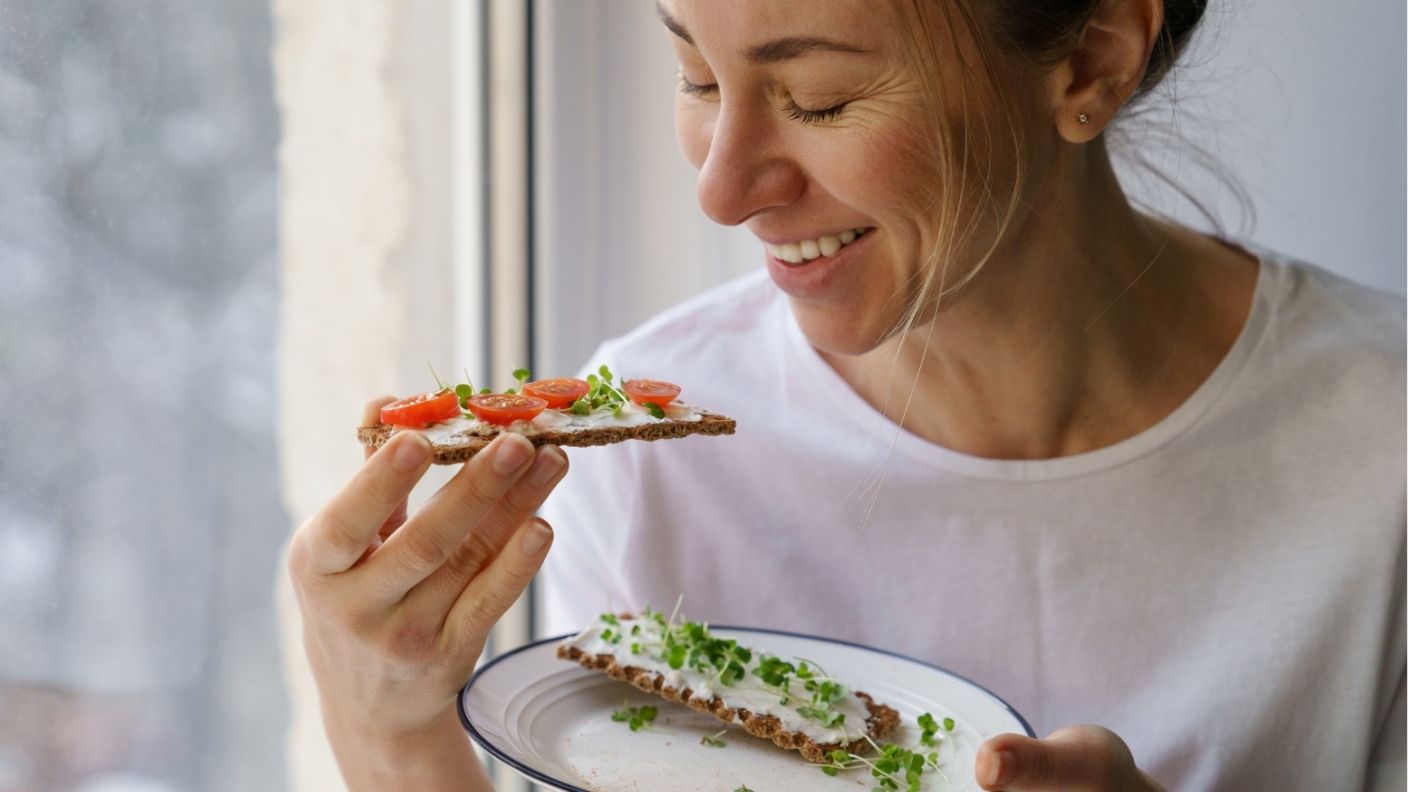

Longevity research tends to produce endless supplement recommendations and rigid diet plans, most of them too complicated to actually stick with for more than a few weeks. Researchers studying the world’s longest lived populations keep coming back to something far simpler instead.
It is a centuries old habit passed down through generations, with nothing to buy and no specific foods required. Keep reading to see what it is and why it keeps showing up in study after study.
The Practice Comes From A Centuries Old Phrase
The habit is known as hara hachi bu, a phrase Okinawan elders have repeated before meals for centuries. It comes from a Confucian teaching that roughly translates to eating until the stomach is eight parts out of ten full, then stopping.
Okinawa has long stood out as one of the regions researchers study most closely for extreme longevity and unusually low rates of chronic disease. This simple mealtime habit is considered one of the clearest, most consistent threads connecting that population’s diet to their health outcomes.
There Is A Real Biological Reason It Works
The practice works because of a genuine lag in how the body signals fullness. Research shows it takes the brain roughly fifteen to twenty minutes to register that the stomach has actually reached capacity, which means eating until feeling completely full often means eating past the point the body actually needed.
Stopping at eighty percent essentially works around that delay. By the time the brain catches up, someone practicing hara hachi bu is usually right at genuine fullness rather than well past it.
The Numbers Behind It Are Significant
The measurable impact of this habit is bigger than its simplicity would suggest. Experts say the practice naturally reduces daily caloric intake by roughly ten to twenty percent without any formal dieting or calorie counting involved.
Research on Okinawa’s population has tied the habit to lower rates of cardiovascular disease, certain cancers and obesity. That kind of population level outcome, sustained across generations, is part of why researchers keep returning to it as a genuine longevity factor.
It Is About Awareness, Not Restriction
Despite involving eating a little less, the practice is not really framed around restriction at all. Registered dietitian Asako Miyashita has explained that the portion sizes taught through this cultural habit are simply smaller from the start, built around awareness rather than deprivation.
That distinction matters, since anyone with a history of disordered eating or underweight status should talk to a doctor before intentionally changing how much they eat. For most people though, the practice is less about cutting food and more about eating slowly enough to actually notice when the body has had enough.
So the next time a meal feels finished but the plate is not quite empty, it might be worth pausing there instead of pushing through the rest. Sometimes the simplest longevity habit in the research is just learning to stop a little sooner than instinct says to.
RELATED ARTICLE: This One Food Has Quietly Become a Longevity Favorite
