


How to Choose the Best Shrimp at the Grocery Store

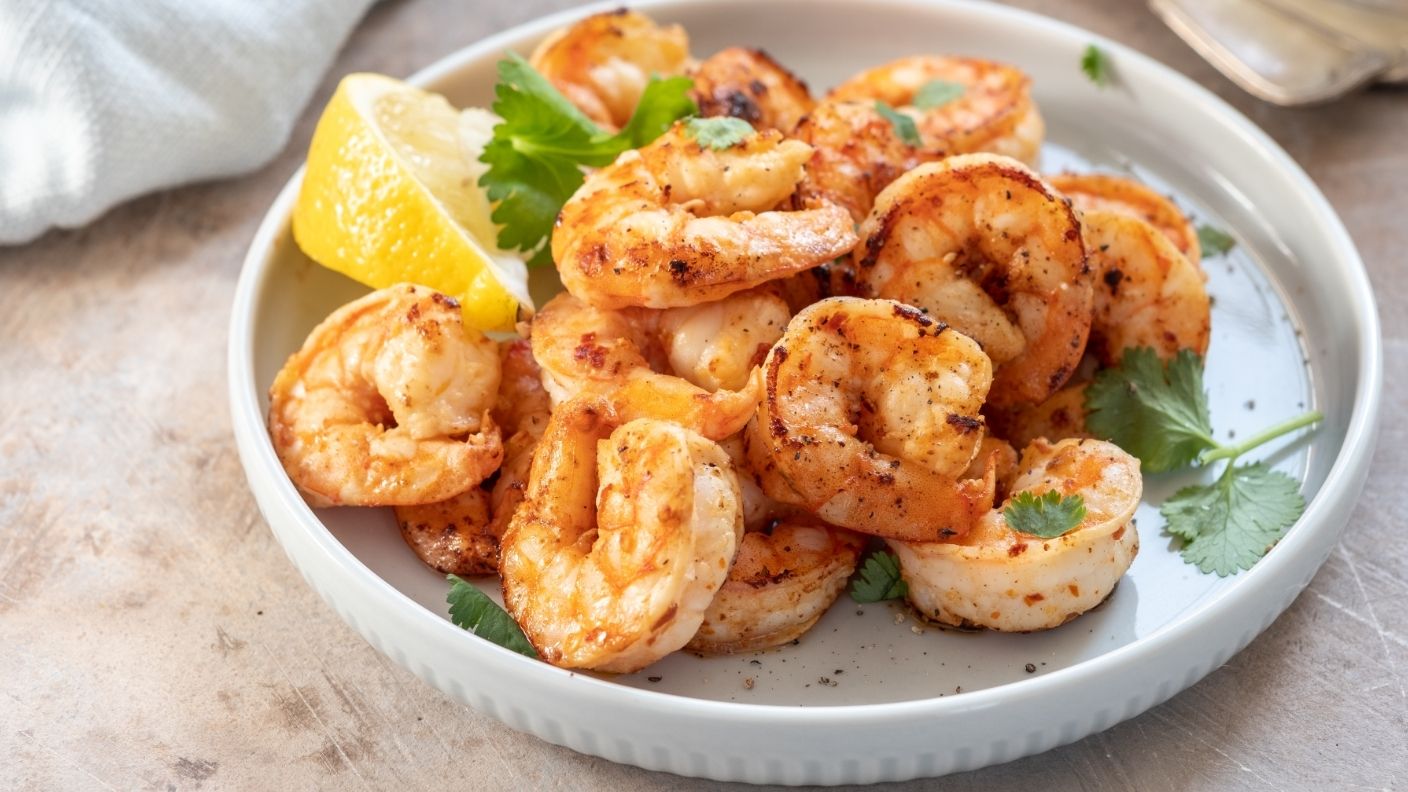

The seafood case can turn a simple shrimp purchase into a surprisingly confusing decision, with a dozen bags making similar promises in slightly different language. Numbers, labels, and colors all compete for attention at once.
A few specific details actually matter more than the rest, and knowing which ones separates a good dinner from a disappointing one.
Check Whether It Was Previously Frozen
Almost all shrimp sold at a grocery store’s seafood counter was frozen at some point, even when it’s displayed on ice looking fresh. Shrimp deteriorates quickly enough after being caught that freezing shortly afterward is standard practice across the industry, not a sign of lower quality.
Buying a bag straight from the freezer case instead of the thawed display often means fresher shrimp overall, since there’s no way to know how long the thawed version has been sitting out. Thawing it at home, right before cooking, keeps that timeline under control.
Learn What the Count Number Is Actually Telling You
Shrimp gets sold by a count range, like sixteen to twenty or thirty-one to forty, which represents how many individual shrimp make up a pound. A lower number means bigger shrimp, since fewer of them are needed to reach that same pound.
That number matters more than vague labels like “jumbo” or “large,” since those terms aren’t standardized and vary from one brand to the next. Checking the actual count is the only reliable way to compare size across different packages sitting side by side.
Let Smell Guide the Final Decision
Fresh or properly frozen shrimp should smell faintly like the ocean, clean and mild rather than sharp or unpleasant. A strong ammonia smell is one of the clearest warning signs that the shrimp has started to break down.
That smell test works even through packaging in a lot of cases, since a bag that’s been sitting too long often gives off an odor before it’s even opened. Trusting that reaction over a sell-by date is usually the safer call.
Look Closely at Color Before Anything Else
Raw shrimp should appear grayish-white to light pink with a slightly translucent quality, never chalky, yellowed, or displaying black spots along the shell. Black spots in particular are an early sign of spoilage, even if the shrimp hasn’t started to smell yet.
Any shrimp sitting in cloudy or discolored liquid inside its packaging is worth skipping entirely, regardless of how fresh the sell-by date claims it to be. That liquid tends to reveal more about actual condition than the label does.
Decide Between Shell-On and Already Peeled
Shell-on shrimp generally holds onto more flavor during cooking and tends to cost less per pound than shrimp that’s already been peeled and deveined. The tradeoff is the extra prep time required before it’s actually ready to cook.
Pre-peeled shrimp makes sense on a night with no time to spare, even at a slightly higher price point. Keeping both options in mind means the choice can shift depending on how much time is actually available that day.
Understand the Difference Between Wild-Caught and Farm-Raised
Wild-caught shrimp tends to have a firmer texture and a slightly more pronounced flavor, while farm-raised shrimp is generally more consistent in size and price throughout the year. Neither option is automatically the better choice, since quality depends heavily on how each one was handled after harvest.
Checking the country of origin on the label can offer a useful clue, since farming and processing standards vary considerably between regions. Looking for a recognized certification on the packaging is one of the more reliable ways to judge that standard without guessing.
Watch for Additives Buried in the Ingredient List
Some shrimp gets treated with sodium tripolyphosphate, a preservative that helps retain moisture but can also cause the shrimp to release excess liquid and turn rubbery once it hits a hot pan. It’s worth checking the ingredient list specifically for it, since it isn’t always obvious from the packaging’s front label.
Shrimp labeled as untreated or with a shorter ingredient list tends to cook up firmer and closer to how it’s supposed to taste. That small check at the store can make a noticeable difference in the finished dish.
RELATED ARTICLE: How to Choose the Best Salmon at the Grocery Store
