


How to Choose the Best Salmon at the Grocery Store


Standing at the seafood counter with a handful of similar-looking fillets is where a lot of good intentions fall apart. A few visual and physical cues make the choice far less of a guessing game.
The Candy Rule Fishermen Swear By
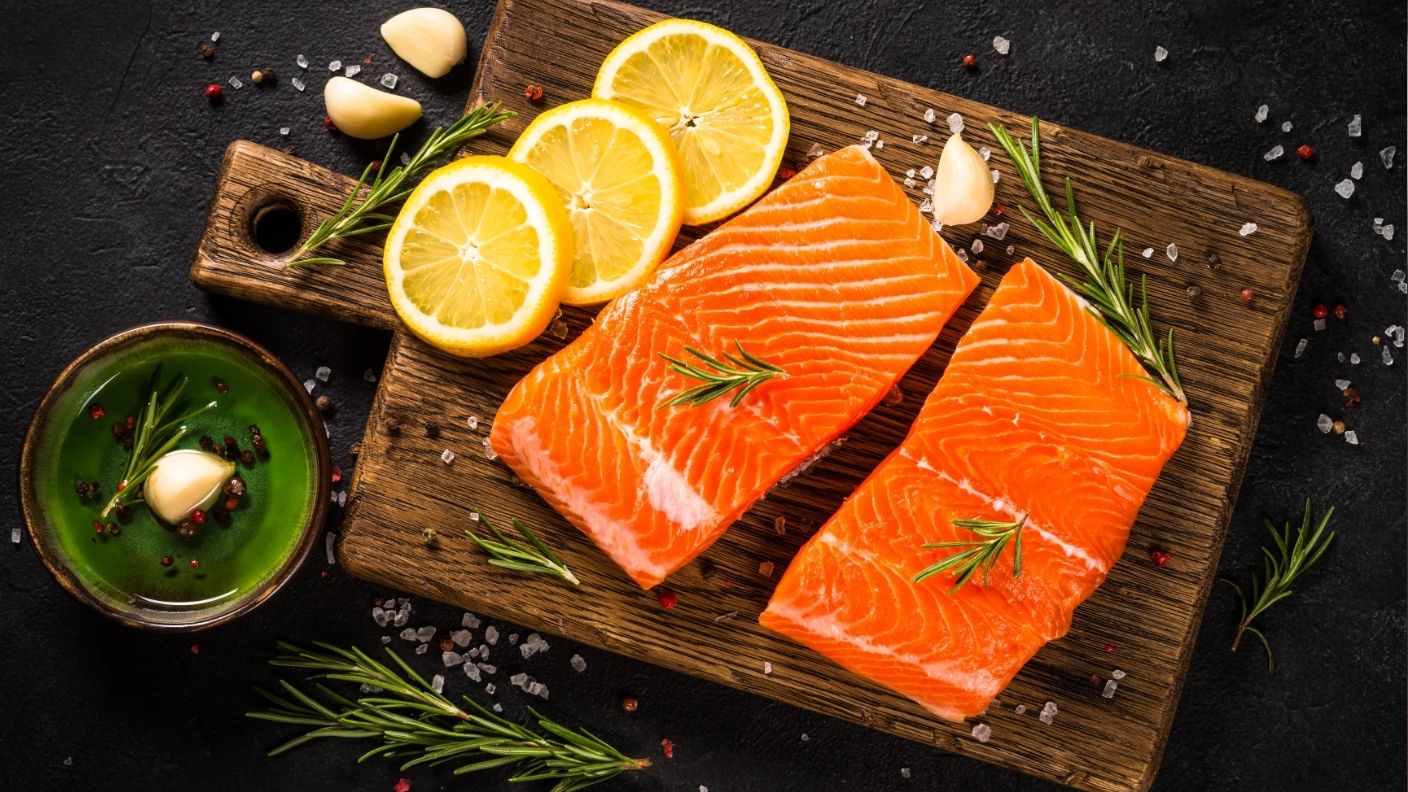
Commercial fishermen have a simple trick: look for salmon bright enough to almost resemble candy. A rich, vibrant orange or deep reddish color, almost translucent, is one of the clearest signs of quality on the shelf.
That color comes from the fish’s natural diet, whether wild or farmed. Dull, washed-out color tends to predict a dull, washed-out flavor once it’s actually cooked.
Watch for Color That Looks Too Perfect
Not every bright color is a good sign. Salmon that looks suspiciously uniform from edge to edge, with none of the natural variation real fish have, can sometimes mean added color rather than genuine freshness.
Labels that mention “color added” are worth skipping entirely. Naturally colored salmon doesn’t need help looking appealing, and a fillet that does need that help usually isn’t the best one in the case.
Firmness Tells You More Than Color Alone
A gentle press against the flesh should bounce back rather than leave a lasting dent. That spring-back response is one of the more reliable ways to judge freshness beyond just looking at the fillet.
Soft, mushy flesh that stays dented after a light touch is a sign the fish has started to degrade. Firmness matters just as much as color, even if it’s less obvious from a few feet away.
Trust Your Nose Before Your Eyes
Fresh salmon should smell clean and mildly oceanic, closer to a sea breeze than anything overpowering. A little bit of fishiness is normal, but a sharp, sour, or ammonia-like smell is not.
That smell test is one of the few advantages of buying from a seafood counter rather than pre-packaged fish. Sealed packaging can hide a smell that would otherwise be an obvious red flag.
Wild and Farmed Aren’t Actually a Simple Better-or-Worse
Wild salmon tends to be leaner, denser, and naturally more deeply colored from its varied diet. Farmed salmon, which makes up the vast majority of what’s sold in stores, tends to have more visible fat marbling and a milder, softer texture.
Neither one is automatically the better choice, since both can be high quality when handled properly. The right pick often comes down to personal preference for texture and flavor rather than one option being objectively superior.
The Fine Print Matters as Much as the Fish
Country of origin labeling and certifications like ASC or BAP point to more responsible farming and sourcing practices. Those labels are worth a quick glance even for someone who isn’t normally paying close attention to sustainability claims.
Asking questions at a full-service seafood counter, rather than grabbing whatever’s pre-packaged, also gives a chance to see the fish unwrapped before committing to it. That extra minute of conversation is often the easiest way to end up with a genuinely good piece of fish.
RELATED ARTICLE: 11 High Protein Fish and Seafood (Recipe Ideas Included)
