


How to Choose the Best Frozen Vegetables Without Sacrificing Flavor

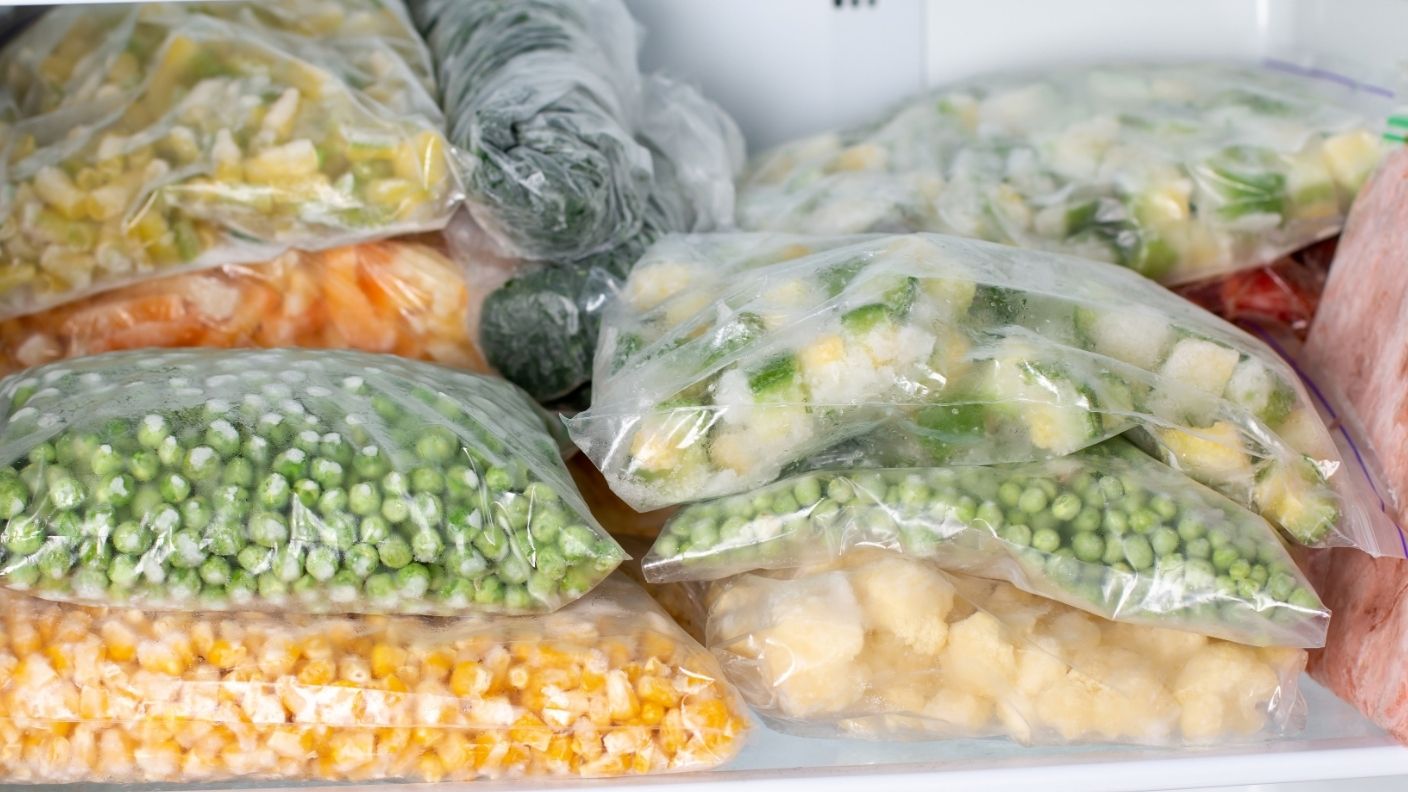

Standing in the freezer aisle staring at a wall of identical-looking bags is a strange kind of decision paralysis. Every package promises freshness, flavor, and convenience, and from the outside they can all look basically the same.
A few details actually separate a bag that tastes like real vegetables from one that turns to mush the moment it hits a pan. None of them require reading a nutrition label front to back.
Check the Bag for Ice Crystals First
A heavy dusting of frost or ice clinging to the inside of the bag is one of the clearest warning signs on the shelf. It usually means the vegetables thawed at some point and refroze, which damages texture in a way that never fully reverses.
Large, chunky ice crystals specifically point to a bigger temperature swing than the small, fine frost that’s completely normal. A bag that feels solid and loose, with pieces that move around freely, is the safer pick.
Look at the Color Instead of the Marketing
Packaging can say “premium” or “farm fresh” no matter what’s actually inside the bag. The color of the vegetables themselves is a far more honest signal of quality.
Bright greens, vivid oranges, and deep reds usually mean the vegetables were processed quickly after harvest, before much of their natural color and nutrients had a chance to fade. Dull, washed-out, or slightly grayish produce suggests a longer gap between picking and freezing.
Give the Bag a Shake Before Buying
A bag where everything moves loosely means the vegetables were individually frozen before being packaged, a method that keeps each piece separate and intact. That texture translates directly into better results once the bag gets opened.
A bag that feels like one solid, frozen block signals the opposite: pieces clumped and refroze together at some point along the way. Those clumps tend to cook unevenly, turning mushy on the outside before the center even thaws.
Skip the Pre-Sauced and Seasoned Blends
Vegetables packaged with butter sauce, cheese, or seasoning blends are usually there to cover for lower-quality produce underneath. The coating adds sodium and sugar while making it much harder to judge the vegetables on their own merit.
Plain, unseasoned bags give far more control over the final dish, since seasoning can always be added fresh during cooking. They also tend to use higher-quality vegetables in the first place, since there’s nothing to hide behind.
Match the Cut to How It Will Be Cooked
Small, uniform pieces like diced carrots or petite peas cook through evenly and quickly, which makes them a natural fit for stir-fries and quick sautés. Larger cuts and whole spears hold their shape and texture much better in the oven.
Buying the wrong cut for the cooking method is a common reason frozen vegetables come out mushy or undercooked in patches. Checking the intended use before grabbing a bag saves a surprising amount of disappointment later.
Store Them the Right Way Once Home
Quality doesn’t stop mattering the moment the bag leaves the store. A freezer that fluctuates in temperature, or a bag left open and resealed loosely, invites exactly the kind of ice crystal damage worth avoiding in the first place.
Pressing excess air out of the bag before sealing it and keeping the freezer at a steady, cold temperature both go a long way toward preserving whatever quality was there at checkout. A bag used within a few months will almost always taste better than one forgotten in the back for a year.
RELATED ARTICLE: How to Choose the Best Steak at the Grocery Store
