


How to Choose the Best Steak at the Grocery Store

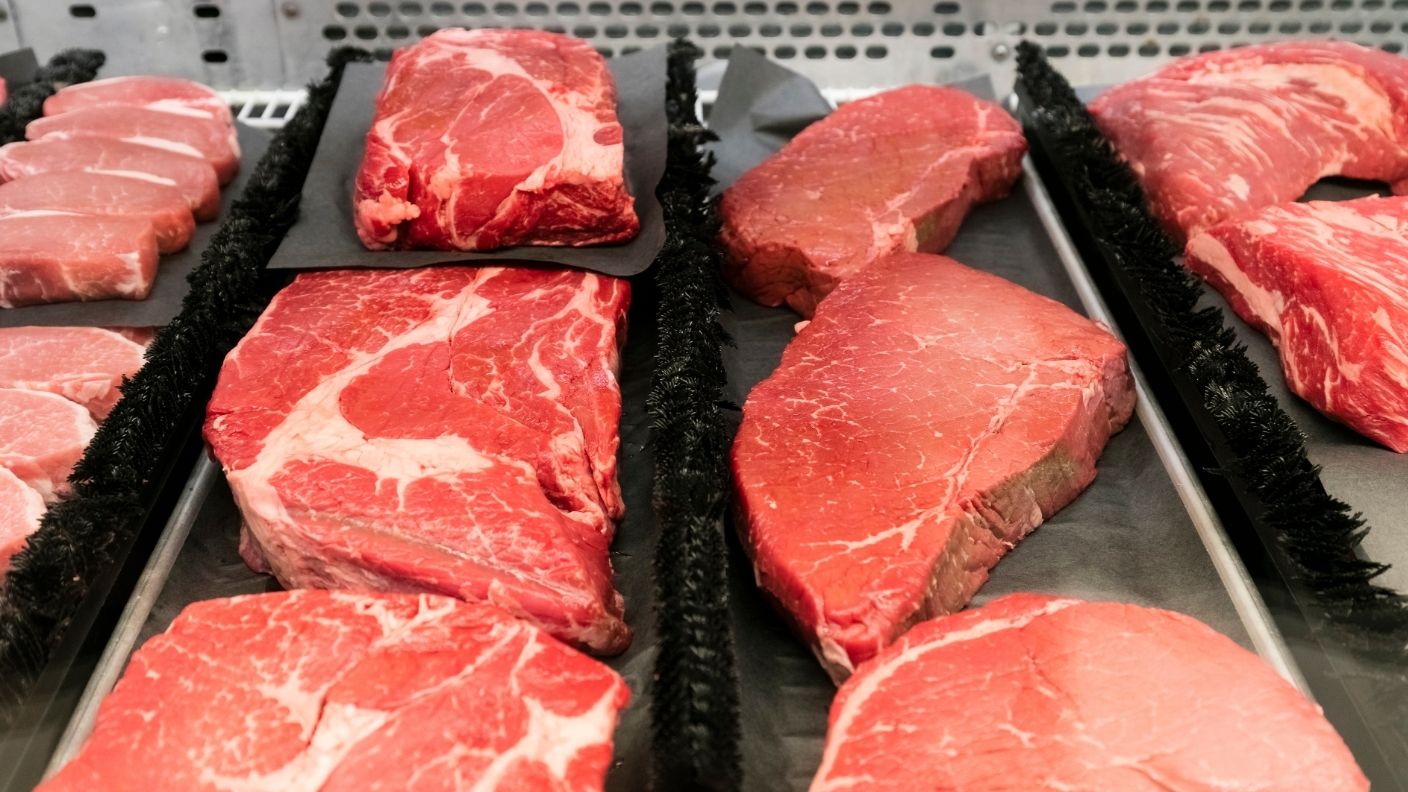

Staring at a case full of similar-looking red cuts is where a lot of steak dinners go wrong before they even reach the pan. A handful of specific details separate a genuinely good steak from a disappointing one.
Marbling Matters More Than the Grade Stamp
Marbling refers to the thin white flecks of fat running through the muscle itself, and it’s the single biggest factor in how juicy and flavorful a steak turns out. Fine, evenly distributed marbling is the most desirable kind, since it melts smoothly through the meat as it cooks.
Medium marbling has larger, less consistent streaks that take longer to render. Coarse marbling, with big uneven pockets of fat, is the least desirable of the three.
USDA Grades Explain What You’re Paying For
USDA Prime has the most marbling of the three common grades, followed by Choice, then Select. Prime is genuinely hard to find in a regular grocery store, since it makes up a small share of graded beef and tends to go straight to steakhouses and specialty butchers.
Choice is what most grocery stores actually stock, and marbling within that grade can vary quite a bit. It’s worth actually looking at the steak itself rather than assuming the grade sticker alone guarantees anything.
Color Tells You How Fresh It Actually Is
A good steak should look bright to deep cherry red, not brown or gray. Chefs specifically point to that cherry-red tone as the clearest visual sign of quality.
A steak that’s turned brown isn’t necessarily spoiled. That color shift usually comes from oxidation, simple exposure to air over time, though it’s still worth choosing a redder option when one’s available.
Thickness Changes What You Can Actually Do With It
A steak cut at least an inch thick, ideally closer to an inch and a half, gives far more control over doneness than a thin one. Thin steaks overcook almost instantly, leaving little room to hit medium-rare or medium without missing the window entirely.
Thicker cuts sear well on the outside while staying properly pink in the center. That extra thickness is part of why steakhouse cuts often look so different from what shows up in a lot of home kitchens.
Not All Fat Is Doing the Same Job
Marbling refers specifically to intramuscular fat, the kind dispersed directly through the meat. Fat sitting between muscles, sometimes trimmed off entirely before cooking, doesn’t contribute much to flavor the way intramuscular fat does.
Understanding that distinction helps make sense of why two steaks with similar amounts of visible fat can taste completely different. It’s not just how much fat is there, it’s where that fat actually sits.
A Few Minutes Out of the Fridge Makes a Real Difference
Letting steak sit out for 30 to 60 minutes before cooking lets the muscle fibers relax, which improves the final texture. Cooking straight from the fridge tends to produce a tougher, less evenly cooked result.
Patting the steak dry with a paper towel right before it hits the pan also helps it sear properly instead of steaming. That small step matters just as much as anything picked out back at the store.
RELATED ARTICLE: Ground Pork vs. Ground Beef: Difference & Which Is Better?
