


How to Choose the Best Butter for Baking, Cooking and Spreading

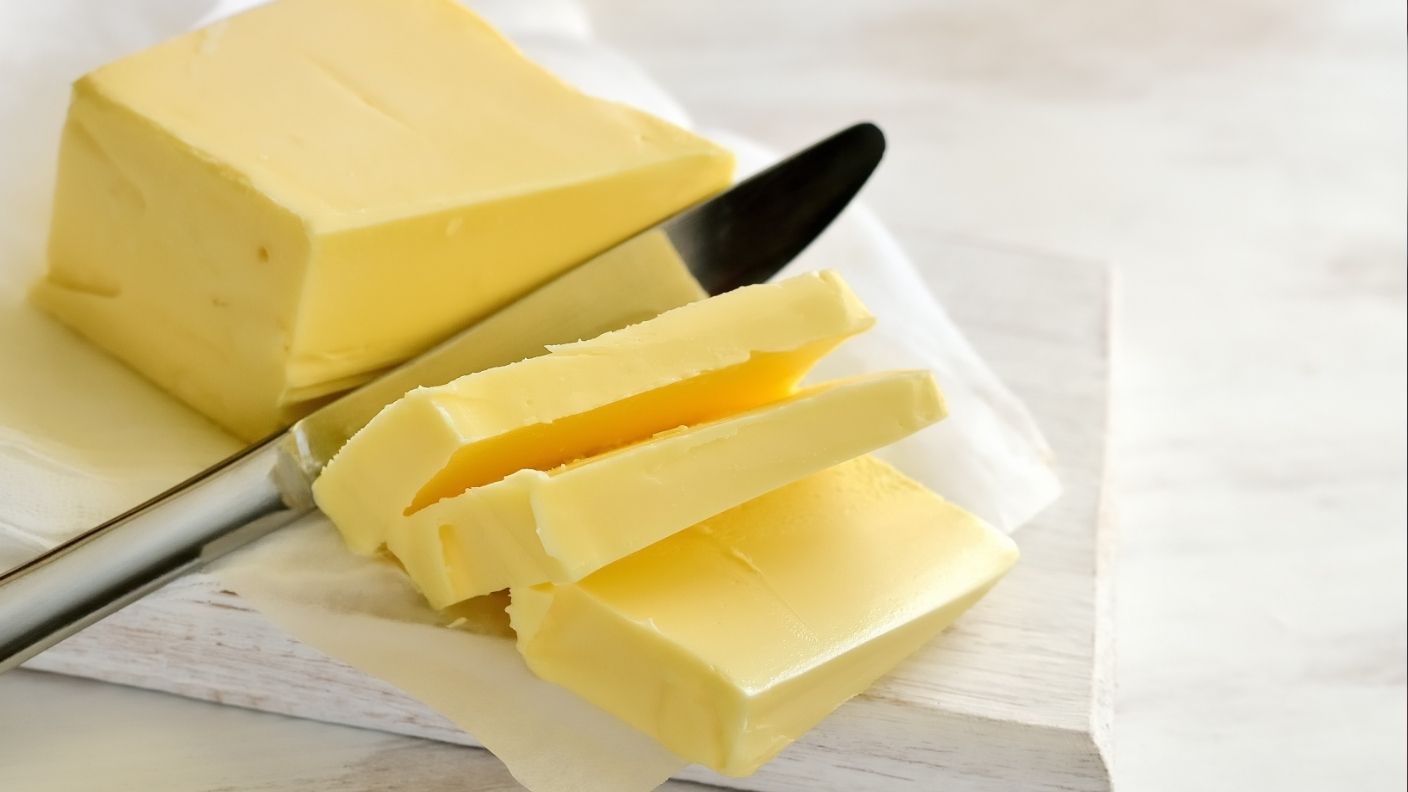

Butter looks like one simple product on the shelf, but the right stick genuinely changes depending on what it’s actually being used for. A few key differences are worth knowing before grabbing whatever’s closest.
Salted or Unsalted Comes Down to What You’re Actually Making
Unsalted butter is the standard choice for baking, since most recipes are calibrated around it and adding salt separately gives full control over the final flavor. Most salted butter carries roughly a quarter to a half teaspoon of salt per stick, an amount that varies enough between brands to throw off a precisely measured recipe.
Salted butter tends to make more sense for spreading and everyday cooking, where that built-in seasoning is actually the point rather than a variable to control.
Butterfat Percentage Changes More Than People Expect
European-style butter typically carries a higher butterfat content, often 82 percent or more, compared to the roughly 80 percent standard in most American butter. That extra fat comes with less water, which translates directly into richer flavor and a creamier texture.
That difference matters most in pastry work. Laminated doughs like croissants or puff pastry benefit noticeably from the higher fat content, producing flakier, more defined layers than standard butter typically achieves.
Cultured Butter Brings a Tang Regular Butter Doesn’t Have
Cultured butter is made by fermenting the cream before churning, giving it a noticeably tangier, more complex flavor than regular sweet cream butter. That extra depth makes it a strong choice for spreading directly on bread, where its flavor gets to stand on its own.
It works in baking too, though the tang can come through in the finished product, which is worth considering depending on what else is in the recipe.
Butter Has a Real Limit When It Comes to Heat
Regular butter has a relatively low smoke point, generally landing between 300 and 350 degrees, which makes it a poor choice for high-heat searing or frying. Once it passes that threshold, the milk solids inside start to burn rather than simply melt.
Clarified butter, or ghee, solves this by removing those milk solids entirely, pushing the smoke point up toward 450 degrees. That makes it a far more reliable choice for high-heat cooking where regular butter would burn almost immediately.
Temperature Matters as Much as the Butter Itself
Room-temperature butter is essential for creaming with sugar in cookies and cakes, since cold butter won’t incorporate air the same way and can leave a dense, uneven texture. That softening step is what actually gives many baked goods their lift.
Pie crusts and laminated pastries need the opposite: butter that’s cold, sometimes even frozen and grated, so it stays in distinct pieces that create steam pockets and flaky layers as it bakes. Using the wrong temperature for either application is one of the more common reasons a recipe doesn’t turn out as expected.
Grass-Fed Isn’t Just a Marketing Label
Grass-fed butter tends to carry a deeper yellow color, largely from higher beta-carotene levels in the milk, along with a slightly different flavor profile compared to butter from grain-fed cows. That color difference is a genuine reflection of diet, not just clever branding.
Whether that flavor difference is noticeable enough to justify the higher price usually comes down to how the butter is being used. In a dish where butter’s flavor takes center stage, like on warm bread or finishing a sauce, that distinction tends to matter more than it would buried inside a fully baked cake.
RELATED ARTICLE: How to Improve Pillsbury Biscuits? 16 Ideas
