

How Supermarkets Use Psychology to Make You Buy More Than You Planned

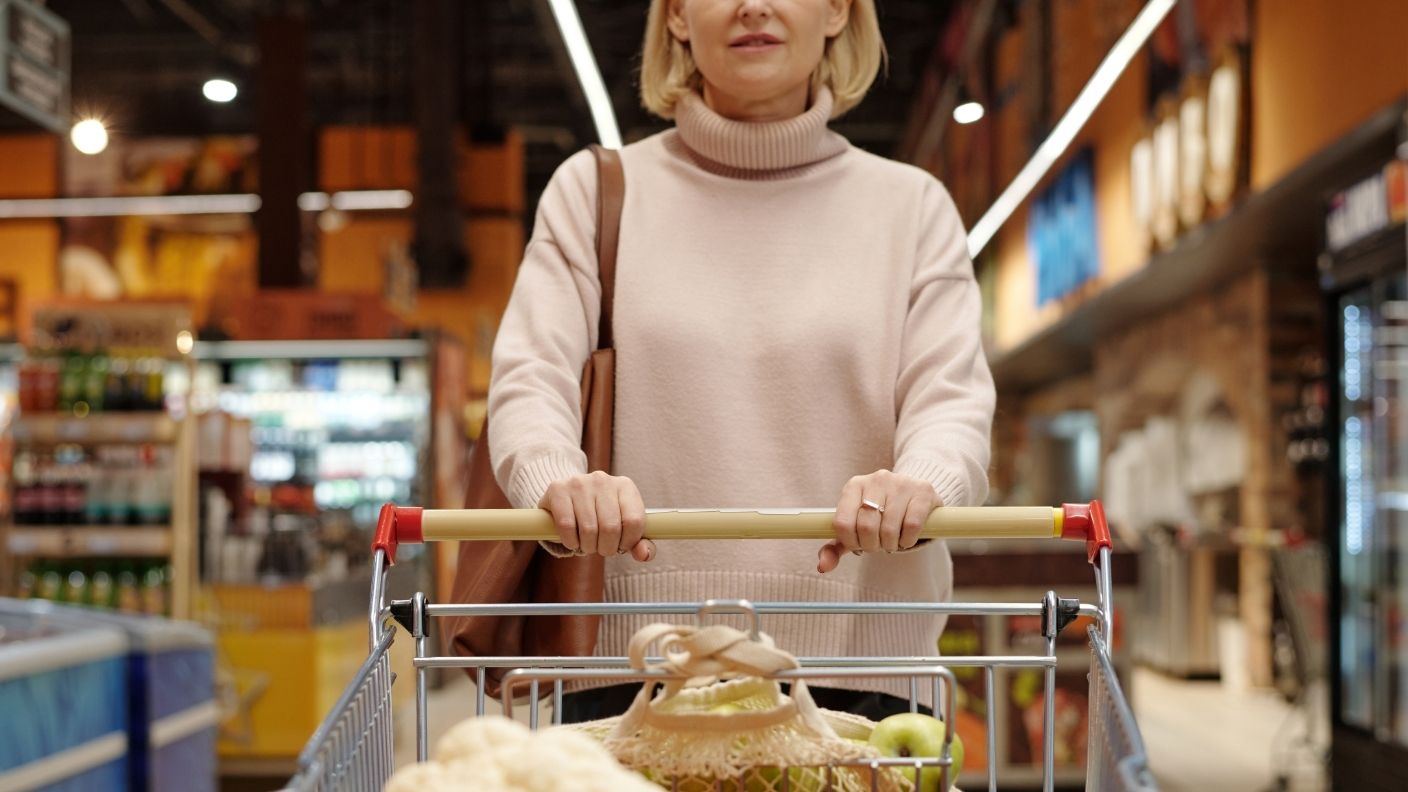

Walk into a supermarket for milk and bread, and somehow the cart ends up with twelve other things by checkout. That is not bad willpower, it is design working exactly as intended.
Retailers spend serious money researching how shoppers move, feel and decide inside a store. Every color, smell and shelf height has usually been tested long before it ever reaches a real customer.
None of it feels manipulative in the moment, which is exactly the point. Here is how supermarkets quietly steer shopping carts toward spending more than anyone actually planned.
The Layout Is Never An Accident
The produce section almost always greets shoppers first, and that placement is deliberate. Seeing bright fruits and vegetables puts people in a good mood right away, and that mood tends to carry through the rest of the trip.
Jana Bowden, a professor of marketing and consumer behavior at Macquarie University, points to color psychology specifically. “Consumer research tells us we associate green with freshness, health and vitality,” she told CHOICE.
Staples like milk and eggs also tend to sit toward the back or the middle of the store rather than near the entrance. That forces a longer walk past everything else on the way there, increasing the odds something extra ends up in the cart.
Your Senses Are Being Worked On Too
Smell plays a bigger role than most shoppers realize. The scent of freshly baked bread drifting from the in store bakery during the after work rush is not an accident, according to a nutrition column from Colorado State University, since it makes people feel hungry and more likely to buy extra food.
Music serves a similar function, with slower, gentler tempos generally encouraging people to linger and spend more. Faster music tends to speed shoppers up and out, which stores use strategically depending on how busy the store already is.
Even the shopping cart itself has been engineered with intent. Branding expert Martin Lindstrom has pointed out that doubling a cart’s size can lead shoppers to buy up to 40 percent more, the same way a bigger dinner plate tends to mean a bigger portion.
Even The Deals Are Part Of The Game
Buy one get one free offers and bonus items are specifically designed to nudge people into buying more than they need in order to qualify. Getting a deal also triggers a small feel good response, which studies suggest makes people even more likely to keep shopping afterward.
Not all of those deals actually save money either.
Research from the consumer group Which? found that roughly 10 percent of multibuy offers in British supermarkets were actually more expensive than buying the same items individually at full price.
Checkout lanes stacked with candy and small impulse items serve the exact same purpose in a different form. By the time shoppers reach that final stretch, willpower has typically already been worn down by the rest of the trip.
None of this means a trip to the supermarket has to end in overspending every single time. A short list, a smaller cart and a little awareness of the tricks at play go a long way toward shopping on your own terms instead of the store’s.
RELATED ARTICLE: The One Grocery Item People Focused on Longevity Keep Buying
