


Having Trouble Falling Asleep at Night? These Foods and Supplements Are Worth Knowing About

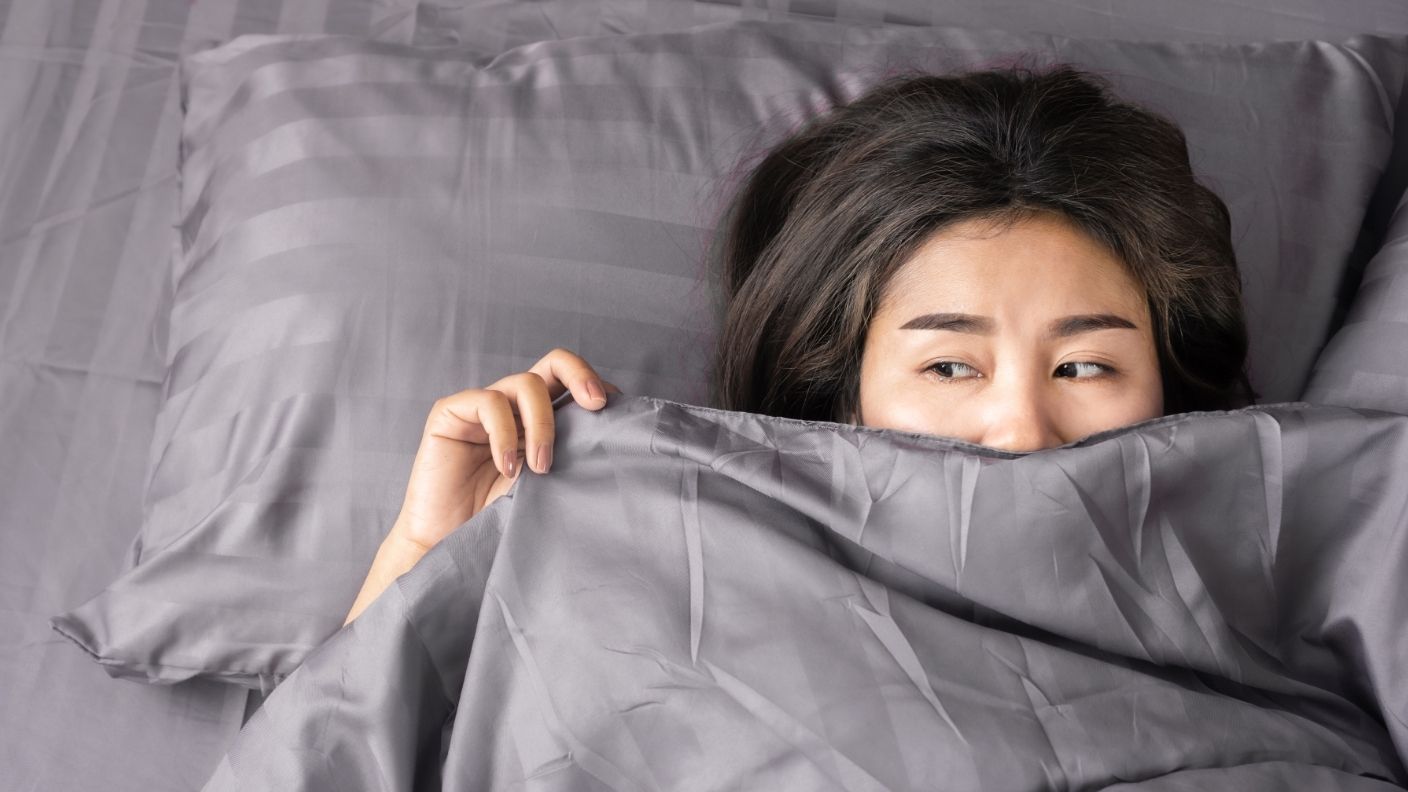
Lying awake while the minutes tick by is one of the most frustrating ways to end a day. You’re tired, your body is ready to rest, yet your mind refuses to switch off.
Many people reach for quick fixes, from late-night snacks to sleep aids on the pharmacy shelf. While no single food or supplement can cure insomnia, research suggests a few options may give your nightly routine a gentle boost.
Kiwi
Kiwi has drawn surprising attention from sleep researchers. In a small study, adults with sleep problems ate two kiwis an hour before bed every night for four weeks, and they fell asleep faster while sleeping longer and more efficiently.
Researchers think kiwi’s serotonin, antioxidants, and folate may play a role. The study was small and partly funded by a kiwi company, so more research is needed, but it’s an easy, healthy snack to try.
Tart Cherry Juice
Tart cherries naturally contain melatonin, the hormone that helps regulate the sleep cycle. They also contain compounds that may help the body make better use of tryptophan, an amino acid involved in sleep.
In a small pilot study of adults with insomnia, drinking tart cherry juice twice a day for two weeks extended sleep by 84 minutes compared with a placebo. The research was funded by a cherry industry group, and choosing unsweetened juice helps limit added sugar.
Fatty Fish
Salmon, mackerel, and other fatty fish provide omega-3 fatty acids and vitamin D, both of which may play a role in regulating sleep. Research from Norway found that people who ate salmon several times a week during the winter reported better overall sleep.
Fish is also a great source of protein for dinner. Pairing it with vegetables and whole grains creates a balanced evening meal that won’t feel too heavy before bed.
Warm Milk
A glass of warm milk before bed is a classic remedy many people grew up with. Milk contains tryptophan, which the body uses to make serotonin and melatonin.
The amount of tryptophan in a single glass is modest, so its direct effect may be small. Still, the comforting ritual of a warm drink can help signal to your body that it’s time to wind down.
Chamomile Tea
Chamomile tea has been used for generations as a gentle bedtime drink. It contains a compound called apigenin, which may have mild calming effects on the brain.
Research on chamomile and sleep is limited and mixed, but many people find the caffeine-free tea relaxing. Sipping a cup as part of a nightly routine may help ease the transition to sleep.
Nuts
Almonds and walnuts contain magnesium and small amounts of melatonin. Magnesium plays a role in muscle relaxation and nerve function.
A small handful of nuts makes a satisfying evening snack that won’t spike blood sugar. Pairing them with a piece of fruit can help prevent hunger from waking you up during the night.
Melatonin Supplements
Melatonin supplements are among the most popular sleep aids. According to the National Center for Complementary and Integrative Health, they may help with certain sleep timing issues, such as jet lag or adjusting to shift work.
Short-term use appears to be safe for most people, but long-term safety is less clear. Starting with a low dose and talking with a doctor is a smart approach, especially for children or anyone taking other medications.
Magnesium
Magnesium supplements are often marketed for better sleep and relaxation. The mineral is involved in hundreds of processes in the body, including nerve and muscle function.
Research on magnesium supplements for sleep is still limited and mixed. Many people can get enough from foods like leafy greens, beans, seeds, and whole grains.
Valerian Root
Valerian root is an herbal supplement that has been used for centuries as a sleep aid. Some people find it helpful, but studies have produced inconsistent results.
It may cause side effects like headaches or grogginess in some people. As with any herbal supplement, quality can vary, so checking with a healthcare provider before trying it is important.
Foods and Drinks to Avoid at Night
Caffeine can stay in your system for hours, so it’s best to limit coffee, tea, energy drinks, and chocolate in the afternoon and evening. Alcohol may make you feel drowsy at first, but it often disrupts sleep later in the night.
Large, rich, or spicy meals close to bedtime can also cause discomfort or heartburn. Finishing dinner a few hours before bed and choosing a light snack if needed tends to work better.
When to Talk to a Doctor
If trouble sleeping lasts for weeks or affects your daily life, it’s worth speaking with a healthcare provider. Ongoing insomnia can sometimes be linked to other health issues, such as sleep apnea, anxiety, or medication side effects.
Cognitive behavioral therapy for insomnia is often recommended as a first-line treatment for chronic sleep problems. Health officials also stress that supplements aren’t regulated like medications, so it’s important to use supplements wisely and share what you take with your doctor.
RELATED ARTICLE: Is It True That Eating Late At Night Causes Nightmares?
