


Grass-Fed Butter vs. Olive Oil for Cooking: Which Is Better?

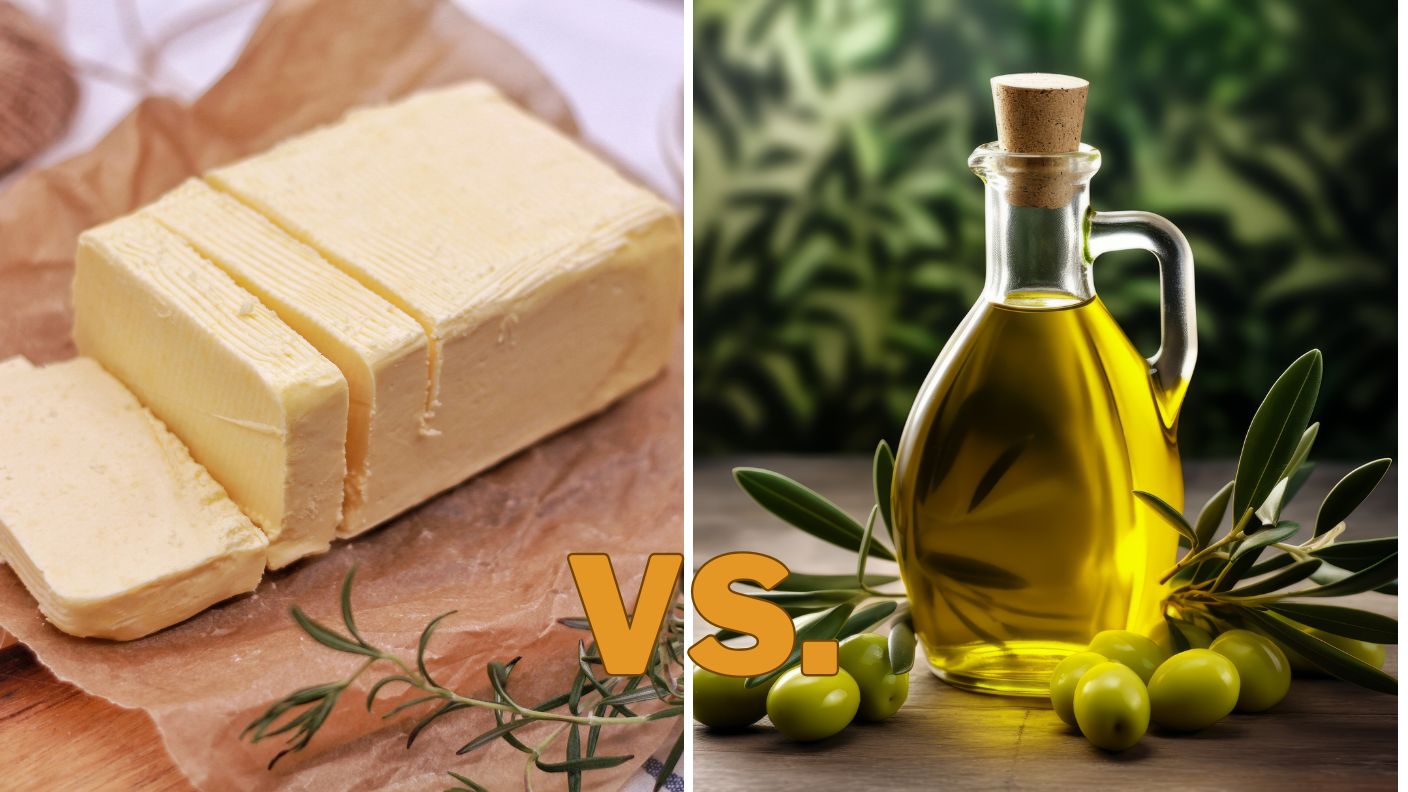

There is a cooking fat debate that never really goes away, and it just will not stay settled no matter how many food trends come and go. Butter lovers and olive oil loyalists have been arguing about this one for years.
Dietitians finally weighed in with some pretty specific details about which one actually deserves a permanent spot in your pan. Keep reading, because the answer is a little more complicated than picking a team.
The Case For Butter
Registered dietitian Vanessa Imus told Yahoo that people love butter for its amazing ability to flavor foods, and honestly, that’s fair. She also points out that grass-fed butter contains conjugated linoleic acid, a compound that may help lower inflammation.
The Case For Olive Oil
Olive oil, on the other hand, is loaded with monounsaturated fats and antioxidants called polyphenols that have been linked to better heart and brain health. Dietitian Diane Han notes that olive oil can help protect against chronic diseases like diabetes and heart disease when used regularly.
The Study That Reignited The Whole Debate
A massive JAMA Internal Medicine study tracked over 200,000 people for more than three decades and found that swapping butter for plant based oils was linked to a lower risk of early death. Even small swaps seemed to make a measurable difference over that much time.
What About The Smoke Point
Butter tends to burn at a lower temperature, while olive oil generally holds up better under higher heat, according to GoodRx. That makes olive oil the more practical choice for searing or roasting, while butter still wins for flavor at the finish line.
The Internet Has Strong Feelings About This Too
The debate even went viral after one TikTok comparison used toothpicks to visually stack up the nutrients in each fat side by side. Turns out people online are just as torn as the professionals.
At the end of the day, nobody is telling you to throw out your butter dish. Cooking with olive oil more often while saving butter for flavor and finishing touches seems to be the compromise most dietitians can actually agree on. Sometimes the best answer really is both.
RELATED ARTICLE: Farm Eggs vs Store-Bought Eggs for Protein
