


Farm Eggs vs Store-Bought Eggs for Protein

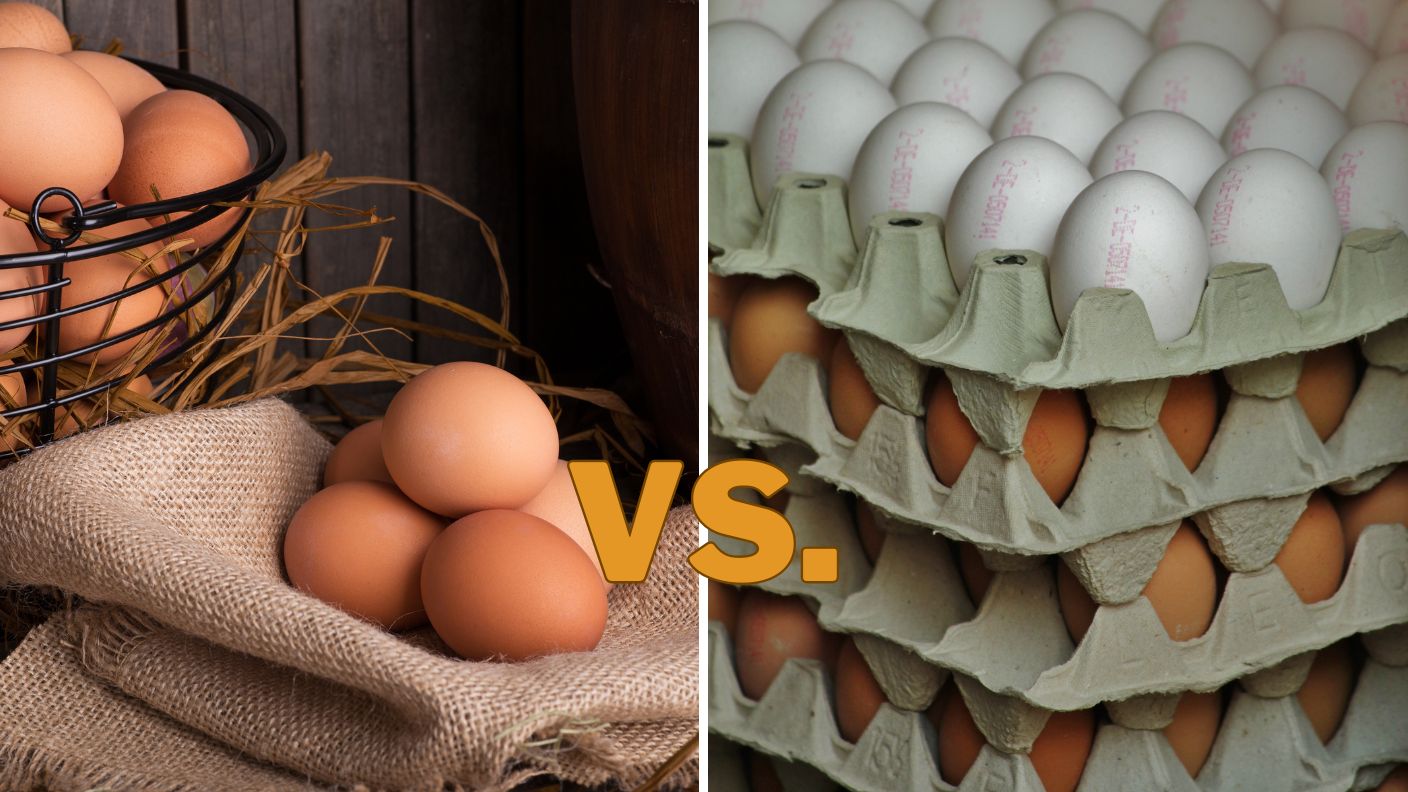

They look almost the same in the pan. They come from the same animal. But spend five minutes at a farmers market next to someone who swears by their backyard hens, and you will start to wonder if the carton sitting in your fridge at home is somehow letting you down.
When it comes to protein specifically, the answer might surprise you in both directions.
What Eggs Actually Deliver for Protein
Before getting into the farm versus store debate, it helps to understand just how impressive eggs are as a protein source to begin with. A single large egg contains around 6 to 7 grams of high-quality protein, split between the white and the yolk, with both contributing meaningfully.
What makes egg protein genuinely special is its completeness. Eggs contain all nine essential amino acids your body needs and cannot produce on its own, which is why scientists use the egg as the gold standard against which all other proteins are measured.
The Protein Gap Between Farm and Store
Here is where things get interesting, and a little humbling for the farm egg enthusiasts. Research consistently shows that protein content is generally similar when comparing farm eggs and store-bought eggs. The main nutritional differences tend to involve fatty acids and certain vitamins, not protein.
A peer-reviewed study comparing free-range and conventionally farmed eggs found no statistically significant difference in protein content between the two, with free-range eggs at around 10.6 percent protein and conventional eggs at 9.7 percent. Close enough that it would not meaningfully change your diet.
Where Farm Eggs Actually Pull Ahead
While protein is a draw, farm eggs do win convincingly in other nutritional areas. Pasture-raised hens produce eggs with measurably higher levels of omega-3 fatty acids, vitamin D, vitamin E, and beta-carotene compared to conventionally raised hens kept indoors on standard grain feed.
Earlier research found pastured eggs contained 40 percent more vitamin A and four times the omega-3 fatty acids compared to conventional eggs. That is a meaningful gap, even if the protein numbers are essentially tied.
The Freshness Factor
One area where farm eggs quietly do have an edge on protein quality is freshness. Commercial eggs can be 30 to 60 days old by the time they reach someone’s kitchen, while farm eggs bought directly are often collected that same day or the day before.
Fresh eggs have firmer whites and more upright yolks, which reflects better protein structure and integrity. A fresher egg behaves differently in the pan, holds its shape more cleanly, and delivers that protein in a structurally more intact form.
The Yolk Tells You More Than You Think
That deep orange yolk you see in farm eggs is not just visual drama. The vivid color comes from beta-carotene, lutein, and zeaxanthin, pigments absorbed when hens forage outdoors and eat grass, insects, and diverse plants. A pale yellow yolk is simply a hen that never went outside.
This does not change the protein number in any significant way, but it does tell you something real about the overall nutritional richness of what you are eating, and that richer diet does show up in vitamins and healthy fats.
So Which Egg Should You Actually Buy?
If protein is your primary reason for eating eggs, both farm eggs and store-bought eggs deliver around 6 to 7 grams of complete, high-quality protein per egg, and the 2025 Dietary Guidelines for Americans highlight eggs as one of the most efficient protein sources available.
If you want the full nutritional picture beyond protein, the omega-3s, the vitamin D, and the freshness, pasture-raised or locally farmed eggs offer a genuinely better product. For protein alone, the carton in your fridge is already doing more than enough.
RELATED ARTICLE: Eggs vs Oatmeal for Lasting Energy: Which One Actually Keeps You Going?
