


The 7 Most Divisive Foods in America: People Either Love Them or Refuse to Eat Them


Every family dinner table has its fault lines. Someone always picks around a certain topping, someone else heaps it on, and the debate can get surprisingly heated for something as small as a single ingredient.
Some foods seem to spark that reaction everywhere they go. There’s rarely a middle ground, and fans and skeptics are equally convinced the other side is wrong.
Pineapple on Pizza
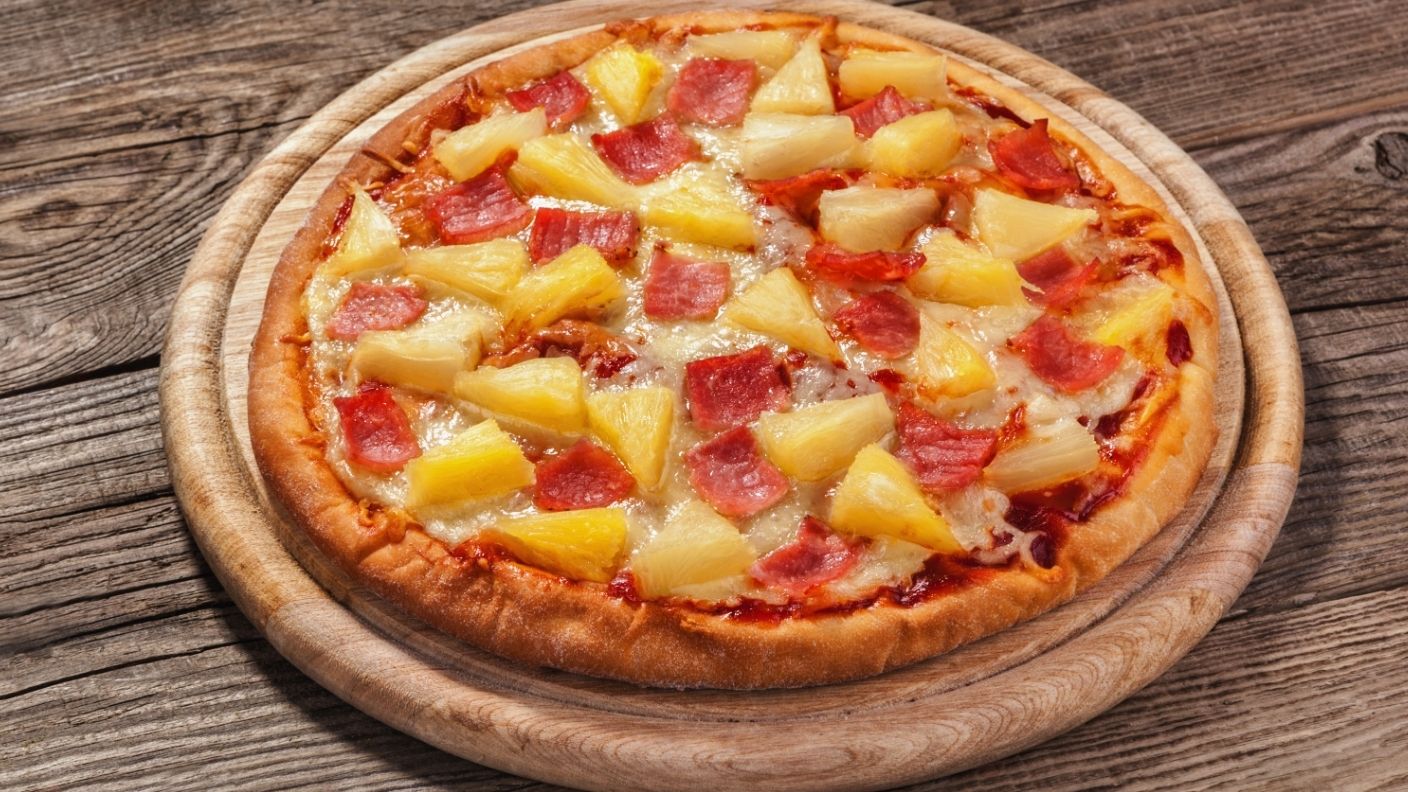
Few food debates get as fiery as this one. Hawaiian pizza, topped with ham and pineapple, was actually created in Canada in the early 1960s by a restaurant owner who wanted to try something new.
Fans love the contrast of juicy, sweet pineapple against salty ham and melted cheese. Critics argue that fruit has no business on a pizza, and the argument has become a running joke online and in pizza shops across the country.
Black Licorice
Black licorice has one of the most polarizing flavors in the candy aisle. Its strong, earthy taste comes from licorice root and is often boosted with anise, which has a similar flavor.
People who love it often describe it as rich and nostalgic. Those who don’t compare it to medicine, and many avoid it entirely, which is why it often gets left behind in mixed candy bags. Health officials also caution against eating large amounts regularly, since a compound in real licorice can affect potassium levels and heart rhythm.
Mayonnaise
Mayonnaise is a staple in sandwiches, potato salads, and dips across the United States. Made from egg yolks and oil whipped into a creamy emulsion, it adds richness and moisture to all kinds of dishes.
Yet plenty of people can’t stand it. For some, it’s the texture, while others dislike the smell or simply find it too heavy. Mayo fans are just as passionate, often championing specific brands and regional favorites.
Olives
Olives are a perfect example of a food people tend to either crave or avoid entirely. Raw olives are extremely bitter, so they’re cured in brine, salt, or oil to make them edible.
Their flavor can range from buttery and mild to sharp, salty, and briny. Some people pile them onto pizzas and snack boards, while others pick every last one off their plate.
Blue Cheese
Blue cheese gets its signature veins and bold flavor from specific molds added during the cheesemaking process. Varieties like gorgonzola, Roquefort, and Stilton have tangy, salty, and sometimes pungent flavors.
Its strong aroma is a big part of why it divides people. Fans love crumbling it on salads, steaks, and wings, while others find the smell and taste far too intense.
Raisins in Baked Goods
Raisins themselves aren’t always controversial, but raisins hidden in cookies, breads, and stuffing are another story. Many people have bitten into what they thought was a chocolate chip cookie, only to discover it was oatmeal raisin.
Raisin fans enjoy the chewy texture and natural sweetness they add to baked goods. Detractors find them mushy and disruptive, and some will carefully pick them out of every bite.
Anchovies
Anchovies are tiny, oily fish that are usually salt-cured and packed in oil. They have an intensely salty, savory flavor that some people find overwhelming.
Interestingly, many anchovy skeptics eat them without realizing it. They’re a classic ingredient in Caesar dressing and are used in sauces, where they melt down and add deep savory flavor without tasting fishy.
RELATED ARTICLE: Do Twins Really Share The Same Food Preferences?
