


Do Twins Really Share The Same Food Preferences?

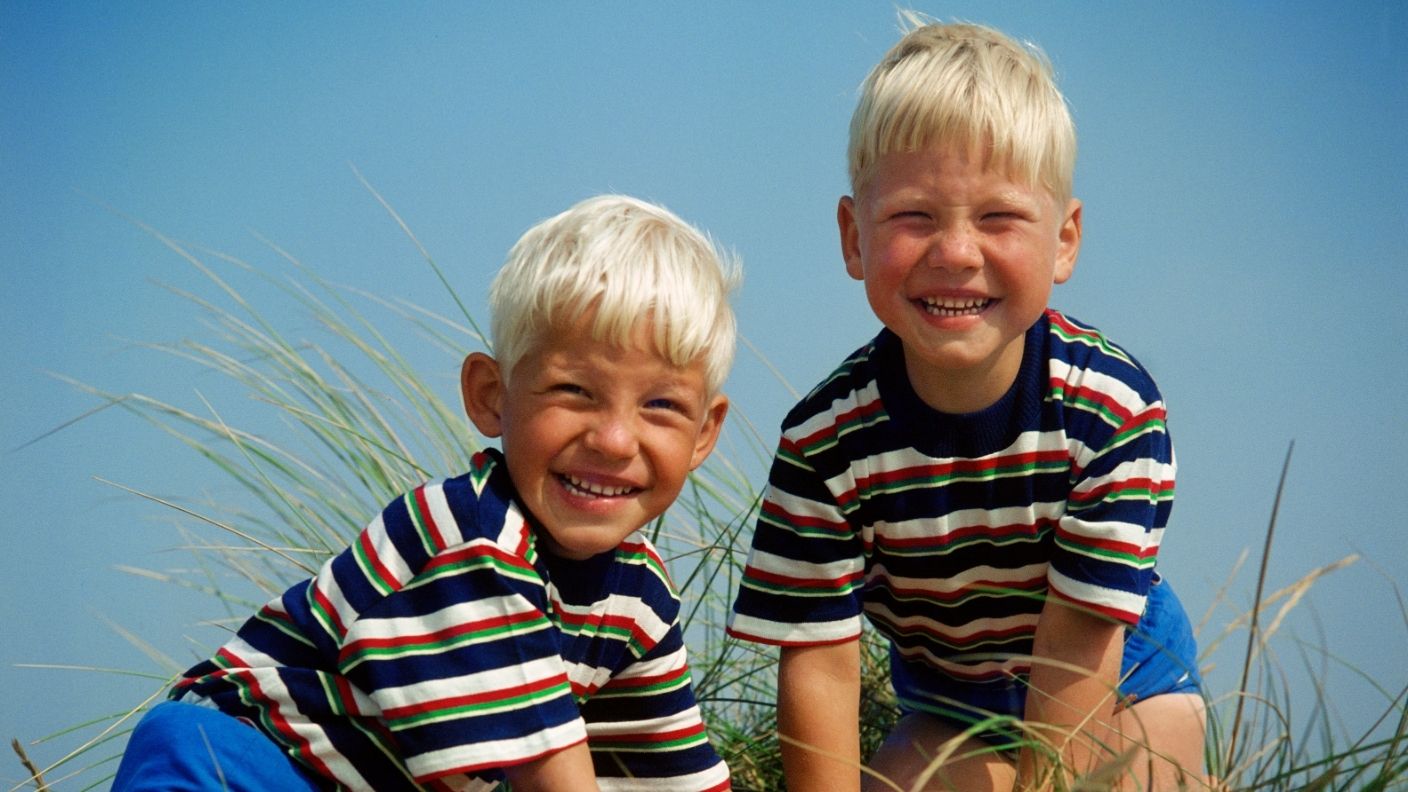

Parents of twins often tell a familiar story. Two children grow up in the same house, eat the same meals, and still end up arguing over what’s for dinner. One loves broccoli, and the other pushes it to the edge of the plate.
Scientists have studied twins for decades precisely because they offer a rare way to separate what’s inherited from what’s learned. The answer is somewhere in the middle.
How Twin Studies Sort Out Genes From Environment
Identical twins share essentially all of their genes, while fraternal twins share about half, like any other siblings. Both types usually grow up in the same home at the same time.
If identical twins match more closely than fraternal twins on a trait, genes are likely playing a role.
Researchers compare the two groups on everything from how much children like vegetables to how they react to unfamiliar foods. The size of the gap between them gives an estimate called heritability.
Identical Twins Usually Match More Closely, but Not Perfectly
Across studies, identical twins tend to agree more on food likes and dislikes than fraternal twins do. One review of twin research estimated that roughly 45 to 50 percent of the variation in food preference comes from genetics.
The rest comes from the environment, including family habits and each child’s own experiences.
That means identical twins aren’t carbon copies at the table. Even with identical DNA, differences in experiences, moods, and early encounters with foods can pull their preferences apart.
Fussiness About New Foods Is Highly Heritable
The strongest genetic signal shows up in food neophobia, the reluctance to try unfamiliar foods. In a large twin sample, estimates ran as high as 78 percent, with studies in Finland and Britain reporting figures around 67 to 69 percent.
That puts it in the same range as inherited traits like height.
Researchers also found little evidence that shared family environment explained the difference. In other words, two children raised the same way can still vary widely in how willing they are to try something new.
Liking Vegetables and Fruit Mixes Genes and Home
Genetics matter for specific foods too, but the numbers vary from study to study. One twin study found heritability of about 0.37 for liking vegetables and about 0.51 for fruit, while protein foods and desserts landed at very different levels.
Another review put vegetables closer to 49 to 54 percent.
The takeaway isn’t a precise number. It’s that both genes and the household shape what children like, which gives parents real room to influence acceptance.
Taste Genes Explain Some Dislikes
Some food reactions are tied to single genes. A bitter taste receptor gene, TAS2R38, helps explain why broccoli and kale taste intensely bitter to some people and mild to others.
Another gene is linked to the soapy taste of cilantro, which between 4 and 14 percent of people notice.
Twins who share these genes may react to the same vegetable in similar ways. Fraternal twins can differ, since each inherits a different mix.
Different Experiences Create Different Tastes
Even in the same family, no two children have identical food histories. One may have a stomach bug after a particular dish, while the other doesn’t. One may sit next to a sibling who loves a food and copy it.
Research suggests the shared family environment loses much of its influence by adolescence.
Unique experiences take over, which helps explain why twins can drift apart in their tastes as they grow. Preferences can also change with repeated, low-pressure exposure, even for foods that were disliked at first.
What Parents of Twins Can Do
Treat each child as an individual. Serving the same family meal is fine, but there’s no need to expect identical reactions or to compare one child’s plate with the other’s.
Offering small portions of a new food again and again works better than pressure.
Modeling enjoyment at the table also helps. If one twin refuses a food, it doesn’t mean the other will, and it doesn’t mean the refusal is permanent.
RELATED ARTICLE: 7 Clever Ways to Get Picky Kids to Eat More Vegetables
