


The Simple Protein Rule Fitness Experts Keep Repeating—and Most People Ignore


Ask a room full of trainers and dietitians how to eat for strength, energy, and a healthy weight, and the same piece of advice comes up again and again. It isn’t complicated, it doesn’t require supplements, and it works for almost everyone.
Yet surveys of what people actually eat show that most of us do the exact opposite. The fix comes down to rethinking a habit that’s so ingrained, few people even notice it.
The Rule: Protein at Every Meal
The rule is simple. Aim for a solid portion of protein at every meal, roughly 25 to 30 grams, instead of saving most of it for dinner.
That means breakfast and lunch get the same attention as the evening meal. It’s less about eating huge amounts and more about spreading protein evenly from morning to night.
Most People Load It All Into Dinner
A typical day often looks lopsided. Breakfast might be toast, cereal, or a pastry with only a few grams of protein, and lunch is often a light sandwich or salad.
Then dinner arrives with a big piece of chicken, steak, or fish. Research on eating patterns has found that many people get the majority of their daily protein in that final meal.
Why the Timing Matters
Muscles use protein for repair and growth throughout the day, not just in one sitting. A moderate dose at each meal keeps that repair process running more steadily.
In one study, people who split their protein evenly across three meals built more muscle protein over a day than those who ate the same total mostly at dinner. Later research has been mixed, but most experts still see an even spread as a smart, practical habit.
Breakfast Is Where Most People Fall Short
The morning meal is usually the weakest link. Cereal, bagels, muffins, and fruit-only smoothies tend to be heavy on carbs and light on protein.
Switching to eggs, Greek yogurt, cottage cheese, or a protein-rich smoothie can easily bring breakfast into the 25- to 30-gram range. Many people notice they feel fuller and less snacky all morning as a result.
It Helps Keep Hunger in Check
Protein is the most filling of the three macronutrients. Eating enough of it at each meal helps keep hunger hormones steadier and reduces the urge to graze between meals.
That can be especially useful for anyone trying to manage their weight. When breakfast and lunch actually hold you over, it’s easier to avoid the late-afternoon slump and the evening snack spiral.
It Gets More Important Over Time
As the years go by, muscles become a little less responsive to protein. That means each meal may need a slightly bigger dose to get the same muscle-building effect.
Spreading protein evenly helps make the most of every meal. Combined with strength training, it’s one of the best ways to hold onto muscle and stay strong for the long run.
A Quick Way to Eyeball It
You don’t need a food scale to follow the rule. A handy shortcut is to aim for a palm-sized portion of protein at each meal, or about two palms for larger or very active people.
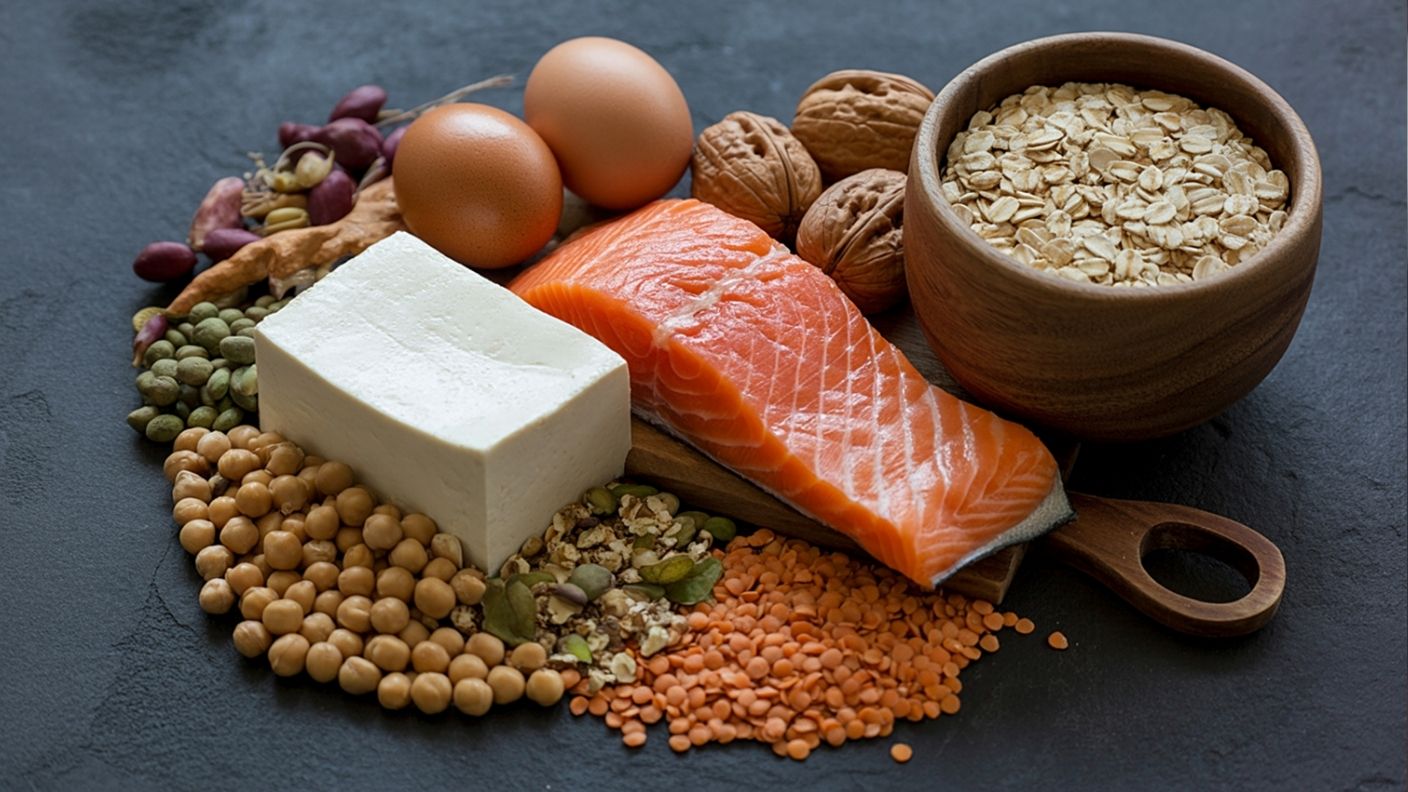
That could be a chicken breast, a fillet of salmon, a cup of Greek yogurt, a few eggs, or a generous serving of tofu or lentils. It’s a simple visual check that works anywhere.
Easy Ways to Make It Happen
Planning ahead makes the habit much easier to stick with. Hard-boiled eggs, pre-cooked chicken, canned tuna or salmon, and tubs of Greek yogurt are quick to grab on busy days.
Plant-based eaters can lean on tofu, tempeh, edamame, beans, and lentils. Adding a protein to snacks, like cheese with fruit or hummus with vegetables, helps fill any gaps.
Total Protein Still Counts
Spreading protein out works best when the daily total is high enough. Many active adults do well with more than the basic recommended amount, especially if they’re lifting weights.
Anyone with kidney disease or other medical conditions should check with their doctor before significantly increasing protein. For most healthy people, though, shifting more protein to breakfast and lunch is an easy win.
RELATED ARTICLE: The “Protein Pacing” Rule: What Happens to Fat Storage When You Divide Your Meals This Way
