


The “Protein Pacing” Rule: What Happens to Fat Storage When You Divide Your Meals This Way


Most advice about protein focuses on the total for the day, one big number to hit by bedtime. A newer body of research is more interested in when that protein actually lands on the plate.
The timing turns out to change more about fat storage than most people would expect from something this simple.
What Protein Pacing Actually Means
Protein pacing means eating four high-protein meals, each carrying 25 to 50 grams, spaced roughly three to four hours apart. It’s less about one perfect meal and more about maintaining a steady supply.
That steady supply is the whole point. Muscle tissue can only use so much protein for repair and growth at once, so a large dose eaten all together doesn’t get used any more efficiently than a moderate one.
Why Spreading It Out Beats One Big Serving
A body that gets protein in smaller, evenly spaced doses stays in a more consistent state of muscle protein synthesis throughout the day. One enormous dinner serving, by contrast, spikes synthesis briefly and then lets it drop for the rest of the day.
Spacing also keeps hunger more level, which matters for anyone trying to avoid the evening overeating that undoes an otherwise disciplined day. Fewer extreme hunger swings tends to mean fewer impulsive food choices.
The Fat Loss Data Behind the Method
An eight-week study comparing protein pacing against standard calorie restriction found the pacing group lost more abdominal and visceral fat while increasing their percentage of fat-free mass. Both groups ate the same total calories, pointing to timing itself as the meaningful variable.
Researchers behind that work pointed to protein’s thermogenic effect and its role in preserving metabolically active muscle as the likely drivers. Muscle burns more energy at rest than fat does, so preserving it during a deficit compounds over time.
Building a Realistic Pacing Schedule
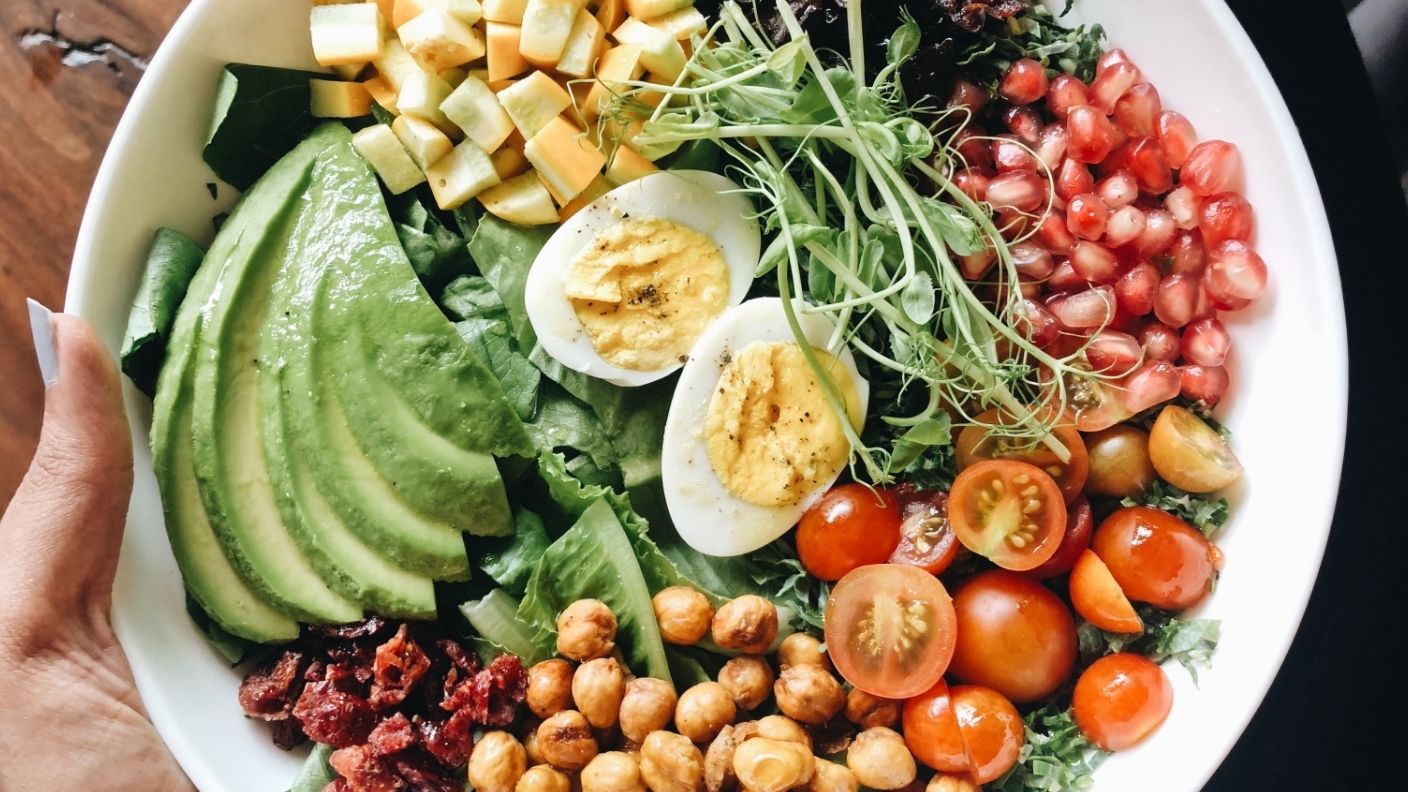
In practice, this looks like a protein source at breakfast, lunch, an afternoon snack, and dinner, rather than concentrating it into just two meals. Eggs, Greek yogurt, chicken, fish, and legumes all work interchangeably across those slots.
It doesn’t require precise timing down to the minute, just a rough rhythm of protein every few hours while awake. That consistency is what the research keeps pointing to as the actual driver, not any single meal done perfectly.
RELATED ARTICLE: Struggling to Lose Weight After 50? This Protein-Packed Food May Be the Answer
