


7 Foods You Can Freeze That Most People Never Think to Put in the Freezer


Most people use the freezer for ice cream, frozen vegetables, and last night’s leftovers. Meanwhile, odd amounts of ingredients sit in the refrigerator until they go bad.
A freezer is useful for far more than that. These seven foods freeze well, cut down on waste, and are ready when a recipe calls for them.
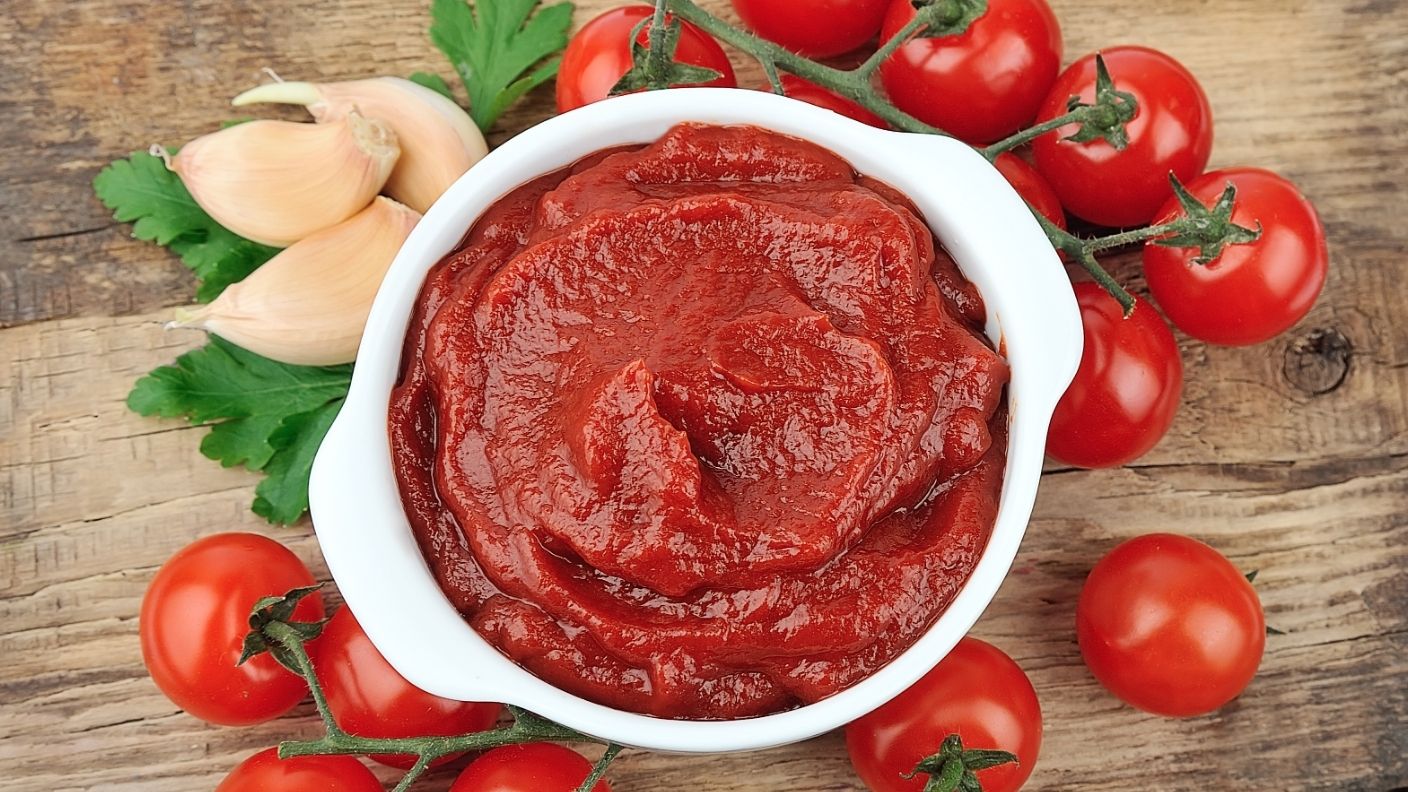
Tomato Paste
A recipe asks for a tablespoon, and the rest of the can goes moldy in the refrigerator. Freezing solves that problem. Spoon the leftover paste into a zip-top bag and flatten it, then break off a piece whenever one is needed.
Ice cube trays work too.
Freeze the paste in cubes, then move them to a freezer bag. One or two cubes drop straight into a soup, stew, or sauce with no thawing.
Cooked Rice
Leftover rice is a classic source of waste, and it needs care. Cool it quickly, ideally within an hour of cooking, and pack it into airtight containers or freezer bags in single-meal portions.
Flatten the bags so they freeze fast and thaw evenly.
Reheat until steaming hot throughout, either in the microwave with a splash of water or in a pan. Brown rice can also be partly cooked and frozen to finish later, which saves the long cooking time.
Shredded Cheese
A big bag of shredded cheese can be hard to finish before it dries out or molds. Add a spoonful of flour or cornstarch to the bag, shake to coat the shreds, and freeze. The coating keeps them from clumping into a block.
Hard and semi-hard cheeses work best.
It keeps for about three to six months. Thaw it in the refrigerator before use, since it can turn crumbly if moved too quickly. Soft cheeses such as ricotta, cottage cheese, and cream cheese don’t freeze well.
Nuts
Nuts are high in oil, which makes them go rancid more quickly than most pantry items. The freezer slows that process and keeps them tasting fresh.
Store them in an airtight container or freezer bag.
Depending on the source, they hold up for six months to a year. They can usually go straight into baking while frozen, though a few extra minutes in the oven may help.
Lemon Juice and Zest
Citrus is cheap when it’s in season and expensive when it isn’t. When a recipe needs only the juice, freeze the juice in ice cube trays, then move the cubes to a freezer bag.
Zest keeps too.
Grate it onto plastic wrap, wrap tightly, and place in a freezer bag. Flavor may change slightly after thawing, but the difference is hard to notice in cooked dishes, dressings, and baking.
Buttermilk
A carton of buttermilk goes a long way past a single batch of pancakes or biscuits. It freezes well, and it saves the effort of buying a whole carton for one recipe.
Freeze it in small portions, such as a cup at a time, in a container with room to expand.
Thaw it in the refrigerator and shake or stir before using, since it can separate. It works best in baking, where any change in texture won’t be noticed.
Butter
Butter is often bought in bulk when it’s on sale, and the freezer keeps it from spoiling. Leave it in its original wrapper and place it inside a freezer bag so it doesn’t pick up other odors.
Most butter holds up for several months.
Thaw it in the refrigerator overnight before use. Salted butter lasts a little longer than unsalted, and either works well for baking and cooking after thawing.
RELATED ARTICLE: The Foods You Should Never Store in the Refrigerator
