


The Foods You Should Never Store in the Refrigerator

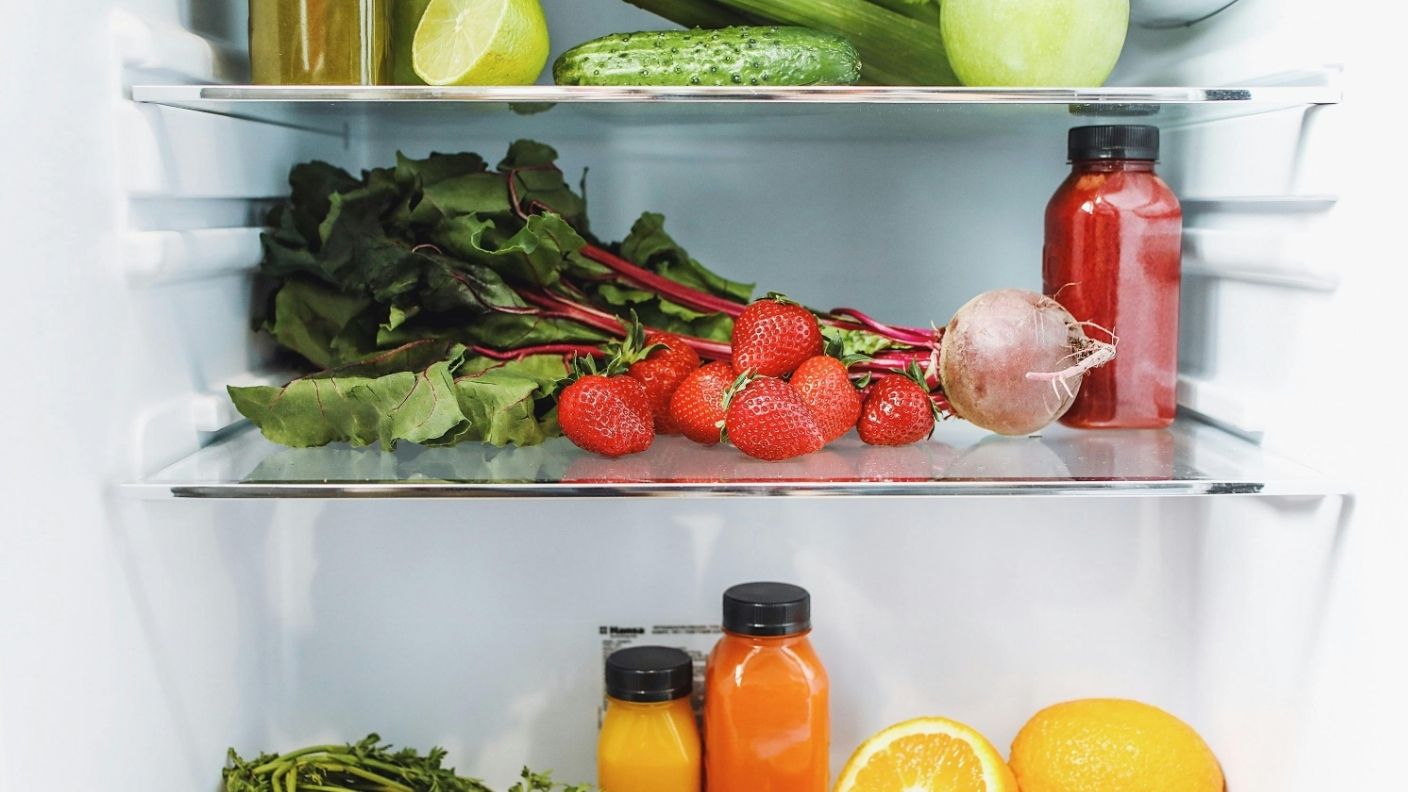

That empty shelf space always seems to invite one more item in, whether it fits the rest of the fridge’s logic or not. A cold drawer feels like the safest possible home for anything perishable, so produce, bread, and condiments all end up crammed in without much thought.
A handful of everyday items actually come out worse for that trip, losing flavor, turning mushy, or aging faster than they would have sitting on the counter. Here’s what to keep out, and why the cold does more harm than good.
Tomatoes
Cold temperatures break down the membranes inside a tomato’s cells, and that damage doesn’t reverse once the tomato warms back up. The texture turns mealy and soft in a way no amount of ripening can undo.
The chill also mutes the enzymes responsible for a tomato’s flavor compounds, leaving even a perfectly ripe one tasting flat and watery. A countertop spot out of direct sun keeps both the texture and the taste intact.
Potatoes
Refrigeration converts a potato’s starches into sugars much faster than storing it at room temperature. That shift changes both the texture after cooking and how the potato browns in a pan.
A cool, dark, and dry spot, like a pantry or a cabinet away from the stove, keeps potatoes firm and sweet-free for weeks. Light is just as much of an enemy as cold, so a fully dark container works best.
Onions
The fridge’s humidity is exactly what onions don’t want. That moisture speeds up softening and encourages mold far faster than a dry pantry shelf would.
Onions also give off odors and gases that can seep into other refrigerated food, quietly changing the taste of butter or milk stored nearby. A mesh bag in a cool, ventilated spot keeps them firm for much longer.
Garlic
Garlic behaves a lot like onions once it hits a humid, cold environment. Individual cloves start sprouting green shoots and turning rubbery well before they would in a dry pantry.
Whole heads left unpeeled on the counter, away from direct light, can last for months without any of that softening. Once a head is broken into cloves, though, using it up sooner rather than later is the safer bet.
Bread
Refrigeration might seem like an obvious way to slow spoilage, but it actually speeds up staling. The starch in bread recrystallizes faster at fridge temperatures than it does sitting out at room temperature.
A loaf left on the counter in a breadbox or paper bag stays fresher for days longer than the same loaf chilled. For anything that won’t be eaten within a few days, the freezer is the better cold-storage option instead.
Honey
Honey’s low moisture content and high sugar concentration already make it inhospitable to the bacteria and mold that spoil most foods. Refrigeration adds nothing on the safety side while actively working against the texture.
Cold temperatures speed up crystallization, turning smooth honey grainy and cloudy far sooner than it would happen on a pantry shelf. A sealed jar at room temperature can last for years without any real change in quality.
Whole Melons and Stone Fruit
Peaches, plums, nectarines, and whole melons are usually picked before they’ve fully ripened, and ripening depends on enzymes that slow way down in the cold. Refrigerating an unripe piece of fruit can stall that process permanently.
The result is fruit that stays firm and underwhelming instead of softening into full flavor. Once any of these are ripe and cut, moving them to the fridge is the right call, but unripe and whole, the counter does the real work.
Basil
Basil’s tender leaves are genuinely sensitive to cold, reacting to fridge temperatures the way cut flowers react to frost. Chilling injury shows up as blackened spots and a wilted, slimy texture within a day or two.
Treating a bunch of basil like a bouquet, stems down in a glass of water on the counter, keeps it fresh far longer than a plastic bag in the crisper drawer. Covering it loosely can even let it keep growing roots.
RELATED ARTICLE: How Long Can Food From an Opened Can Stay in the Fridge, and Is It Safe?
