


5 DIY Face Peels You Can Make With Simple Kitchen Ingredients

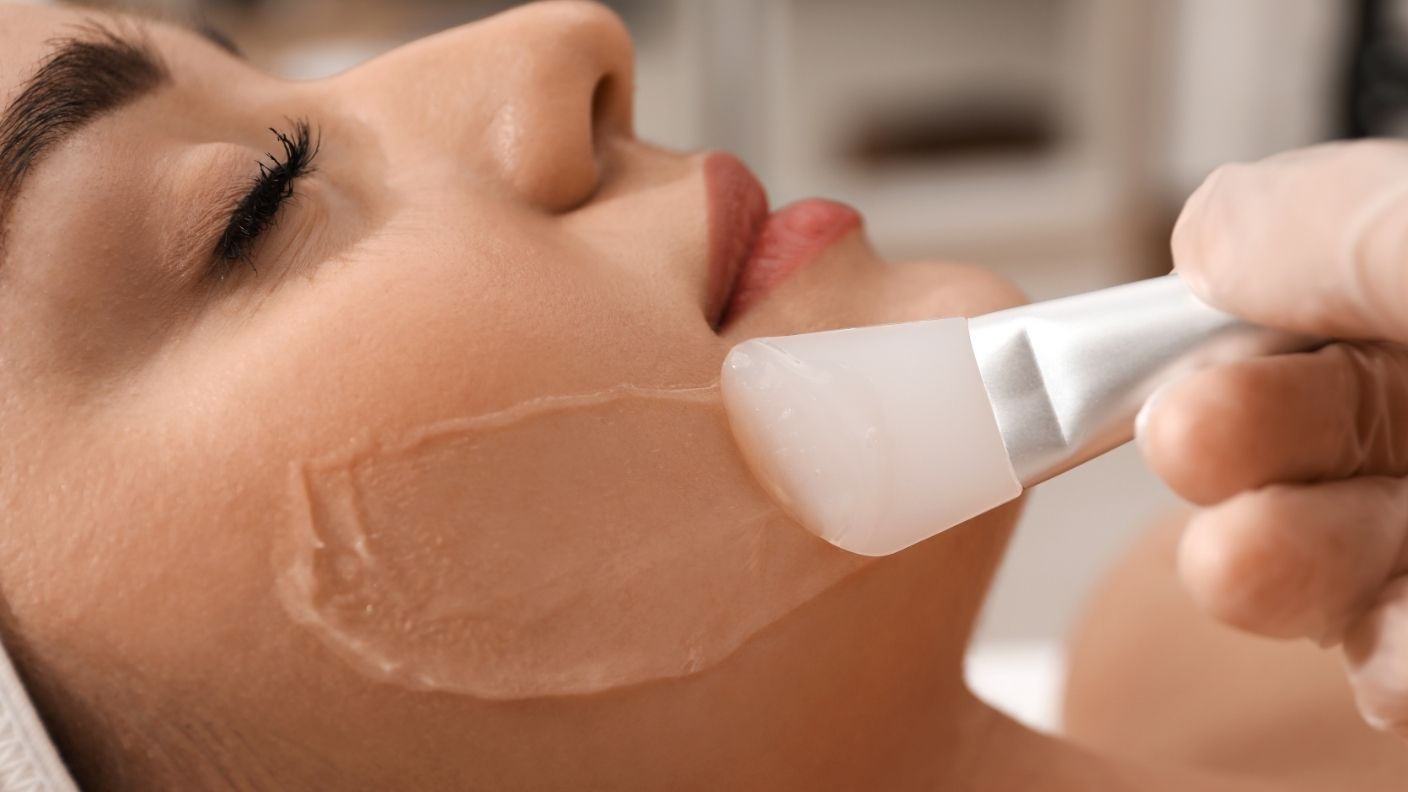

Skin-care shelves keep getting more crowded, and so do the price tags. Meanwhile, the produce drawer holds a handful of fruits and dairy products that contain the same families of mild exfoliating acids found in store-bought products.
These kitchen versions are far gentler than a professional chemical peel, which is exactly why they’re worth trying. Just follow the basic safety rules at the end of this list.
Papaya Peel
Papaya contains papain, an enzyme that breaks down dead surface cells. Mash two to three tablespoons of ripe papaya with a teaspoon of honey until smooth.
Spread it over clean, damp skin and leave it for about ten minutes.
Rinse with lukewarm water and pat dry. The texture is soft and slippery, and it leaves skin feeling smoother without any scrubbing, which suits people who find gritty exfoliants too rough.
Pineapple Peel
Pineapple brings its own enzyme, bromelain, along with a tang that can tingle slightly. Mash two tablespoons of fresh pineapple with a spoonful of plain yogurt to buffer the sharpness.
Leave it on for five to ten minutes, no longer.
Fresh pineapple is the better choice, since canned varieties often contain added sugar. If the tingle turns into stinging, rinse it off right away, because that fruit is stronger than it looks.
Apple Peel
Apples contain malic acid, one of the gentler fruit acids. Mash two to three tablespoons of peeled, cooked-and-cooled apple, or use unsweetened applesauce, with a spoonful of honey and a teaspoon of almond oil.
The oil softens the mixture and keeps skin from drying out.
Apply it for ten to fifteen minutes. Because malic acid is considered minimally irritating, it’s usually a good starting point for anyone nervous about trying a peel for the first time.
Grape Peel
Grapes carry tartaric acid, another mild exfoliating acid. Mash two tablespoons of red or green grapes, skins and all, and stir in a tablespoon of plain yogurt.
The yogurt adds a little lactic acid and makes the mixture easier to spread.
Leave it for ten to fifteen minutes, then rinse. It’s a lightly fragrant, cooling option that works well on a warm evening.
Buttermilk Peel
Buttermilk is rich in lactic acid, which many people find the most comfortable fruit-style acid for sensitive skin. Two tablespoons of cold buttermilk, applied with clean fingers or a cotton pad, is the whole recipe.
For extra slip, stir in a teaspoon of aloe vera gel.
Leave it on for ten minutes, then rinse. It doesn’t have the fruity smell of the others, which may appeal to anyone who dislikes sticky masks.
Safety Rules Worth Following
Always patch test on the inner forearm or behind the ear first, and wait a day to see if redness or itching appears. Anyone with a papaya, pineapple, or latex allergy should skip those peels entirely.
Use just one peel per week, in the evening, on clean skin.
Wear sunscreen for a few days afterward, since exfoliated skin burns more easily. Skip these on broken skin, active acne, eczema, or while using retinoids or prescription treatments, and check with a dermatologist if unsure.
Ingredients to Leave in the Kitchen
Some popular DIY staples are too harsh for the face. Lemon juice is highly acidic and contains compounds that make skin more sensitive to sunlight, which can lead to sunburn and dark marks.
Apple cider vinegar is similarly acidic, with a pH of roughly 2 to 3, and can cause burning and barrier damage.
Baking soda sits at the opposite extreme, with a pH around 9 and a gritty texture that can cause tiny tears. Skin prefers a mildly acidic environment, so all three tend to do more harm than good.
RELATED ARTICLE: 5 DIY Food Face Masks for a Natural-Looking Glow
