


The Hidden Muscle-Building Power of Cottage Cheese (And 5 Non-Boring Ways to Eat It)

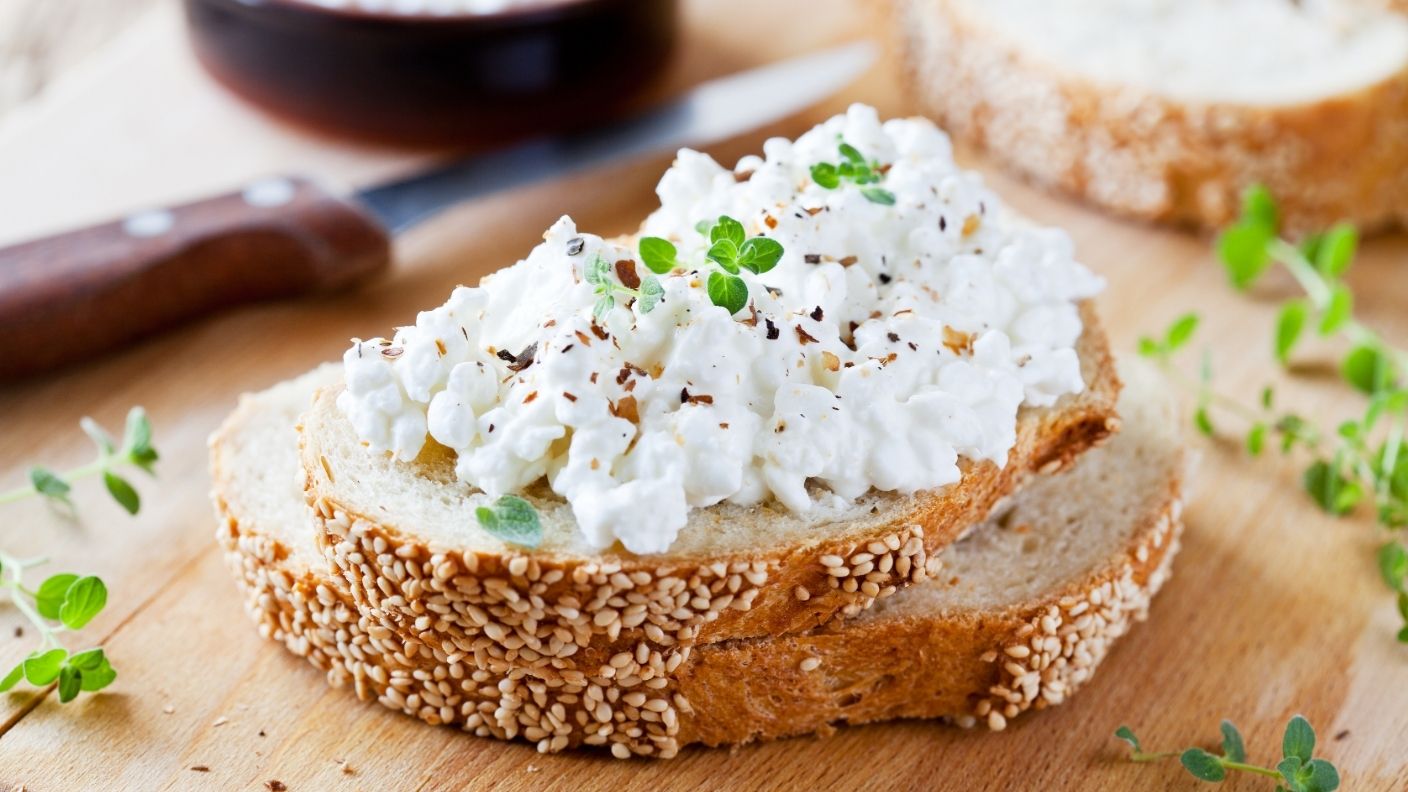

Cottage cheese has spent decades as the diet-plate cliché, scooped next to a pale pineapple ring and rarely finished. Lately it’s been showing up in gym bags, protein-obsessed kitchens, and viral recipes instead.
The reputation upgrade isn’t just a trend. There’s real nutrition behind it, along with a few claims that deserve a closer look.
It Packs Serious Protein Into a Small Scoop
A cup of cottage cheese delivers roughly 24 to 31 grams of protein, depending on the fat level and the brand. That puts a single bowl in the same range as a chicken breast, with no cooking required.
It’s also a complete protein, meaning it contains all nine essential amino acids.
According to one nutrition breakdown, a cup of nonfat cottage cheese carries about 1.5 grams of leucine, the amino acid most closely tied to switching on muscle repair. That’s close to the amount researchers often point to as a trigger for muscle protein synthesis.
The Casein Advantage Comes With a Catch
About 80 percent of the protein in cottage cheese is casein, a slow-digesting type that releases amino acids into the bloodstream over several hours. The other 20 percent is whey, which absorbs faster.
That’s where the “eat it before bed” advice comes from.
The catch is that the research doesn’t clearly show casein beating whey for overnight muscle growth. One review concluded that total daily protein matters most, as long as someone has at least two or three sizable protein feedings spread across the day.
The Sodium Is Worth Watching
Cottage cheese can be surprisingly salty. A half-cup of the typical low-fat version contains upward of 400 milligrams of sodium, so a full bowl can pass 800.
Anyone watching blood pressure should check the label before making it a daily habit.
Low-sodium versions exist, and some brands contain far less per serving. Draining and rinsing the curds lowers it further, though it also washes away a bit of flavor.
Blend It Into a Creamy Pasta Sauce
Blended until completely smooth, cottage cheese turns into a rich, mild base that behaves a lot like ricotta. Stir it into warm pasta with garlic, lemon zest, black pepper, and a splash of the starchy cooking water.
The texture comes out silky rather than grainy, and the protein count jumps without any heavy cream.
It works best when the sauce is warmed gently rather than boiled, since high heat can make the dairy separate. A handful of spinach or peas folds in easily at the end.
Fold It Into Scrambled Eggs
Spooning a few tablespoons of cottage cheese into eggs just before they set makes them creamier and fluffier. The curds melt partly into the eggs and leave small pockets of tang.
It also stretches a two-egg breakfast into something far more filling.
Cook the eggs low and slow, and pull them off the heat while they still look slightly wet. Chives, hot sauce, or a spoonful of salsa on top turn it into a full plate.
Whip It Into a Dip
Run cottage cheese through a blender with lemon juice, garlic powder, dill, and a pinch of salt, and it becomes a smooth, ranch-style dip. The tang is close enough to sour cream that most people won’t guess what’s in it.
Serve it with raw vegetables, crackers, or warm pita for a snack that carries real protein.
It keeps in the fridge for a few days, which makes it easy to prep once and use all week. Go easy on the added salt, since the cheese already contributes plenty.
Turn It Into a Savory Bowl
Plain curds taste a lot better when they’re dressed like a savory meal instead of a dessert. Top a bowl with halved cherry tomatoes, sliced cucumber, olive oil, flaky salt, and everything-bagel seasoning.
It eats like a deconstructed salad, cool and crunchy against the creamy base.
Add a handful of olives, some chickpeas, or a soft-boiled egg for extra staying power. It’s an easy lunch that needs no cooking and travels well in a container.
Stir It Into Overnight Oats
Mixed into oats and milk the night before, cottage cheese practically disappears into the texture. What it leaves behind is a thick, pudding-like breakfast with far more protein than oats alone.
Add cinnamon, a drizzle of honey, and berries in the morning, and it tastes like dessert.
Small-curd cottage cheese blends in more easily than large-curd, and a quick pulse in a blender removes any lumps for anyone who dislikes the texture. It’s a good entry point for skeptics.
RELATED ARTICLE: What to Eat on Rest Days When You Still Want to Build Muscle
