


What to Eat on Rest Days When You Still Want to Build Muscle

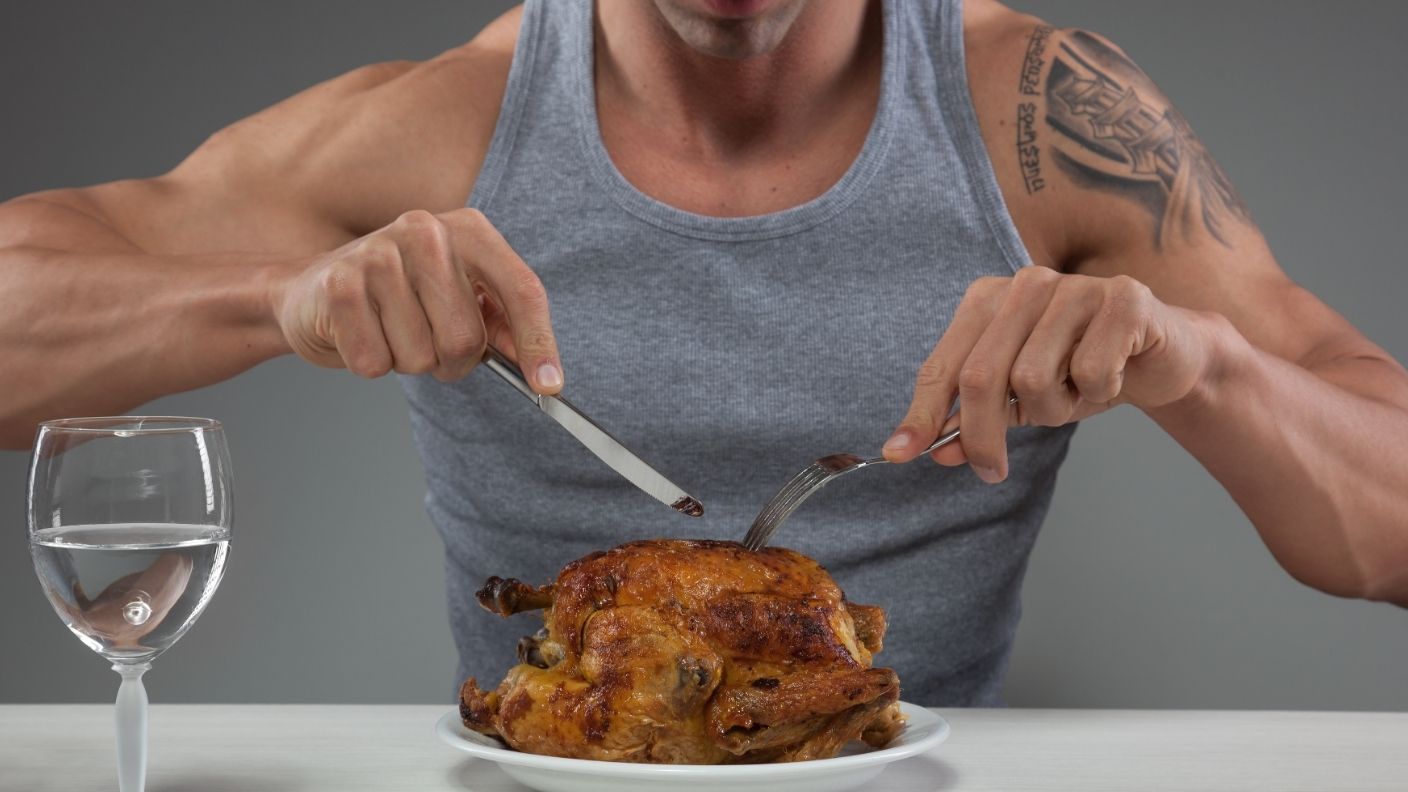

Rest days get treated like a pause button, a day when the rules of eating well suddenly relax because nothing’s technically being trained. That’s not really how muscle growth works, since most of the actual repair and rebuilding happens in the 24 to 48 hours after a workout, which means rest-day nutrition matters just as much as training-day nutrition.
Don’t Cut Calories Just Because You’re Not Training
A common instinct is to eat less on rest days since less energy is being burned, but that logic works against muscle growth.
Nutrition coaches consistently point out that food is never something that needs to be earned by exercising, and that intake shouldn’t change dramatically between active and rest days if the goal is building muscle.
For most people focused on muscle gain, keeping total calorie intake close to training-day levels supports the recovery process better than cutting back. The body is still doing significant work on a rest day, just not the kind that’s visible from the outside.
Keep Protein Steady Throughout the Day
Protein turnover doesn’t stop just because there’s no workout scheduled. The International Society of Sports Nutrition recommends eating a good source of protein every 3 to 4 hours, roughly 20 to 30 grams per meal, to keep muscle protein synthesis elevated across the entire day.
That could mean eggs or yogurt at breakfast, chicken at lunch, and tofu or fish at dinner, spread out rather than loaded into a single large meal. Consistent spacing appears to matter more than hitting one big number at dinner and calling it done.
Ease Off Carbs, But Don’t Cut Them
Since less energy is being used on a rest day, carbohydrate needs drop somewhat compared to a training day, but they don’t disappear.
Trainers generally recommend reducing carb intake by roughly 15 to 20 percent rather than eliminating them, since carbs still play a role in how well the body absorbs and uses protein.
Complex carbohydrates like whole grains, beans, and starchy vegetables are generally favored over simple sugars for this purpose. They digest more slowly, which helps keep blood sugar and energy levels steadier throughout a lower-activity day.
Lean on Healthy Fats to Support Recovery
Healthy fats play a quieter role than protein or carbs, but they help manage the inflammation created by training and support the hormone production tied to muscle growth. Sources like nuts, olive oil, and fatty fish are commonly recommended as part of a balanced rest-day plate.
These fats also make meals more satisfying, which can help prevent the kind of mindless snacking that sometimes fills the gap when a workout isn’t structuring the day. Balance between all three macronutrients tends to produce steadier results than overemphasizing any single one.
Consider a Slow Protein Before Bed
One specific strategy that shows up repeatedly in recovery research involves eating a slow-digesting protein shortly before sleep. Consuming about 40 grams of casein, found in dairy products like cottage cheese, roughly half an hour before bed can support muscle protein synthesis overnight.
That timing matters because sleep is naturally a fasting period, and a slow-digesting protein source helps keep amino acids available throughout the night. It’s a small addition, but one specifically designed to work with the body’s recovery schedule rather than around it.
Stay Consistent With Meal Timing
Muscle repair works best with a steady supply of nutrients rather than large gaps followed by big meals. Spacing three to five meals across a rest day, each with a real protein source, tends to align more closely with how the body actually uses nutrients for tissue repair than one or two oversized meals.
That structure doesn’t need to be complicated or rigid, just consistent enough that the body isn’t left without fuel for long stretches. Rest days are still part of the training process, even if they don’t feel like it in the moment.
RELATED ARTICLE: The Anti Aging Snack That Costs Less Than Most Protein Bars
