


7 Simple Ways to Make Your Favorite Meals More Filling

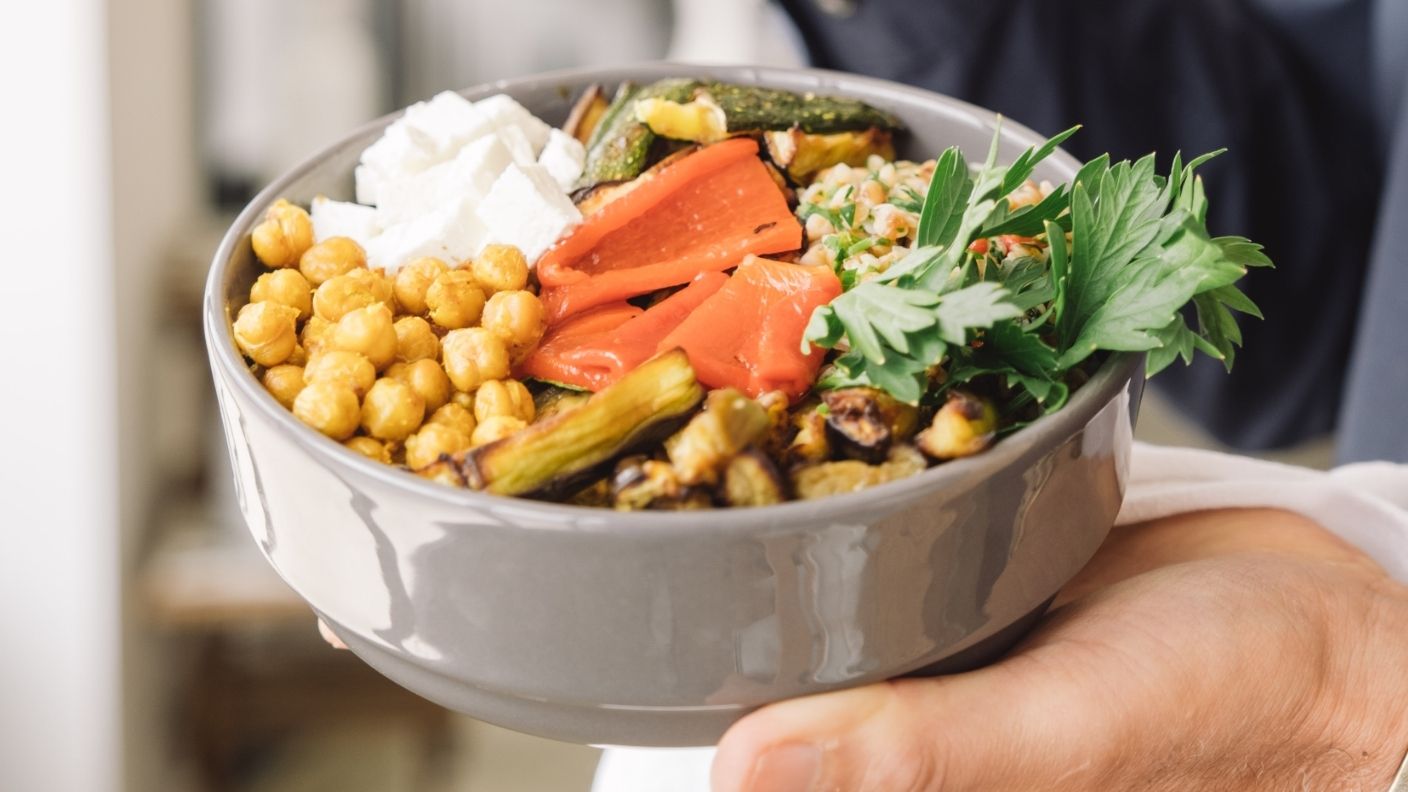

A plate can look completely full and still leave someone reaching for a snack an hour later. Volume on a plate and how long a meal actually holds someone over turn out to be two very different things.
A handful of small adjustments can close that gap without changing what’s actually being cooked.
Add a Protein Boost to the Plate
Protein takes longer to digest than carbohydrates or fat, which keeps hunger signals quieter for a longer stretch after eating. A meal built mostly around carbs, like a bowl of pasta with light sauce, tends to leave people hungry again far sooner than one with a solid protein source built in.
Stirring an extra egg into a stir-fry, adding a scoop of cottage cheese alongside a fruit bowl, or tossing in some diced chicken to a grain dish all raise the protein content without changing the meal’s basic identity. Even an extra handful of nuts sprinkled over a salad moves the needle more than it seems like it would.
Bulk It Up With Fiber-Rich Vegetables
Vegetables add volume to a plate without adding many calories, which means a meal can look and feel considerably bigger for very little extra cost. Fiber also slows digestion, giving a meal more staying power than the same dish without it.
Doubling the vegetables in a stir-fry, tossing extra spinach into a pasta sauce, or adding a side salad to a meal that wouldn’t otherwise include one all work toward the same goal. None of these additions require rethinking the main dish, just adding more of what’s already there.
Bring in a Source of Healthy Fat
Fat slows how quickly food leaves the stomach, which is part of why a meal with some avocado or olive oil tends to feel more satisfying than the same meal without it. It also carries flavor well, which can make a modest meal taste more complete.
A drizzle of olive oil over roasted vegetables, a few slices of avocado on a sandwich, or a sprinkle of shredded cheese over a bowl of soup all add this staying power in small amounts. A little goes a long way here, so this swap doesn’t need to be dramatic to make a noticeable difference.
Swap in a Whole Grain
Whole grains digest more slowly than their refined counterparts, thanks to the fiber and bran that get stripped out during refining. Brown rice, whole wheat pasta, or quinoa in place of the white version keeps a meal feeling full longer without changing the amount served.
This swap works especially well in dishes where the grain is a background element rather than the star, like a stir-fry or a grain bowl. The texture difference is often minor enough that it goes unnoticed, while the effect on fullness is not.
Add a Scoop of Beans or Lentils
Beans and lentils combine protein and fiber in a single ingredient, making them one of the most efficient additions for staying power. A can of black beans stirred into a taco filling or a scoop of lentils added to a soup barely changes the flavor of the dish while meaningfully changing how long it holds someone over.
Because they’re inexpensive and already cooked when canned, this is one of the easiest additions to make without extra prep time. A single can split across a recipe is often enough to notice a difference by the next mealtime.
Start With Something Water-Rich
A broth-based soup or a simple salad eaten before the main dish takes up stomach space without contributing many calories, which naturally curbs how much of the heavier course actually gets eaten. The water and fiber combination in something like a vegetable soup provides fullness that’s hard to get from the main dish alone.
This works particularly well for meals that are otherwise calorie-dense, like a pasta bake or a casserole. Starting with something lighter doesn’t take away from the main course, it just changes how satisfying the whole meal feels by the time it’s over.
Finish With a Crunchy Topping
A sprinkle of nuts, seeds, or roasted chickpeas over a finished dish adds both texture and a meaningful amount of protein and fat in a small amount of food. Beyond nutrition, the act of chewing something crunchy tends to make a meal feel more substantial than a purely soft one.
Toasted pumpkin seeds over a salad, sliced almonds over oatmeal, or crushed peanuts over a stir-fry all serve this purpose well. It’s a small finishing touch that changes very little about the recipe itself but noticeably changes how the meal sits afterward.
RELATED ARTICLE: 9 Foods That Can Help You Feel Fuller Without Eating Less
