


9 Foods That Can Help You Feel Fuller Without Eating Less

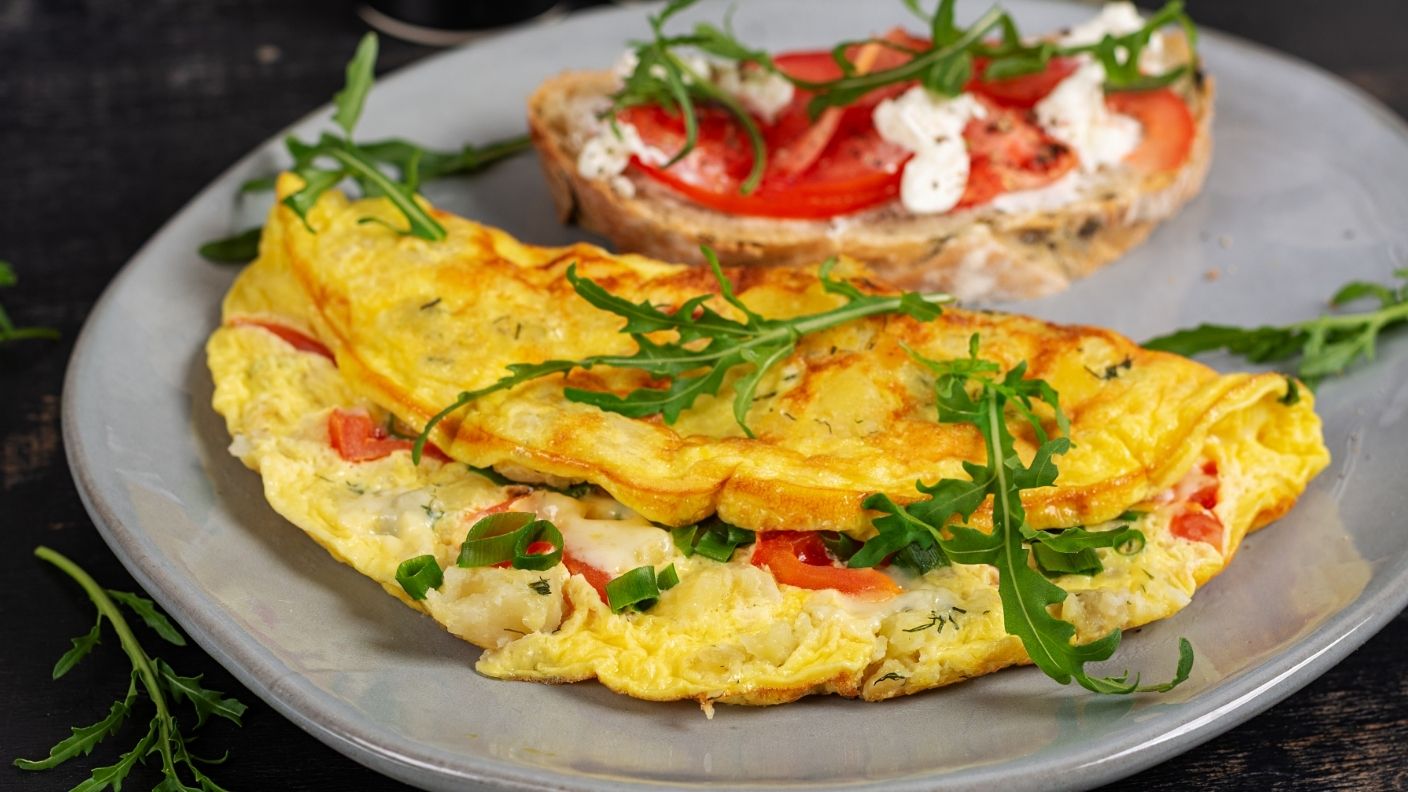

Feeling hungry again an hour after eating usually has less to do with willpower and more to do with what was actually on the plate. Certain foods are simply better at triggering the body’s fullness signals, which means the goal isn’t eating less, it’s choosing foods that do more of the work for you.
Eggs
Eggs consistently rank near the top of satiety research thanks to their high-quality protein content. One large egg provides 6 grams of complete protein, and studies have found that starting the day with eggs instead of a carb-heavy breakfast like a bagel can reduce how much people eat later on.
That effect comes down to how slowly protein digests compared to refined carbohydrates, which keeps hunger signals quieter for longer. Eggs also pack in more than 10 vitamins and minerals, so the fullness comes with genuine nutritional value attached.
Oats
Oatmeal’s staying power comes largely from beta glucan, a soluble fiber that absorbs water and slows how quickly the stomach empties.
That combination of fiber and water content is why oatmeal shows up so often on lists of the most filling breakfast options, even though it’s relatively low in calories.
The slower digestion also helps prevent the blood sugar spikes and crashes that tend to bring hunger back quickly after a meal. Topping it with fruit or nuts adds even more staying power without turning it into a heavy dish.
Greek Yogurt
Greek yogurt is strained to remove excess liquid, which concentrates the protein well above what regular yogurt offers.
In one study, people who ate Greek yogurt before a meal ended up eating noticeably less pizza afterward compared to those who had a different dairy snack first.
It works well as a standalone snack or as a base for a parfait with fruit and nuts layered in. The high protein content is doing most of the heavy lifting when it comes to keeping hunger at bay.
Beans and Lentils
Legumes bring together fiber and protein in one food, a combination nutritionists consider especially effective for satiety. The Mayo Clinic points to beans, peas, and lentils specifically as lower energy-dense foods that fill you up on fewer calories thanks to their fiber content.
They’re also inexpensive and easy to fold into soups, salads, or grain bowls without much extra effort. Because they digest slowly, the fullness they provide tends to stretch out over a longer window than most vegetables alone.
Leafy Greens
Leafy greens like spinach and lettuce add real volume to a meal while contributing very few calories. That volume matters because it physically stretches the stomach, triggering receptors that signal fullness to the brain regardless of how few calories were actually consumed.
Building a meal around a base of greens before adding protein and other toppings is a simple way to increase the amount of food on the plate without increasing the calorie count much at all. It’s a straightforward trick that doesn’t require cutting anything out.
Salmon and Other Fatty Fish
Fatty fish delivers high-quality protein along with omega-3 fatty acids, a combination that scores well on the satiety index used to measure how filling different foods are. The protein content alone is enough to slow digestion and extend the feeling of fullness well past the meal itself.
Salmon in particular has performed strongly in studies comparing different protein sources for their effect on hunger. It’s a heavier option than something like chicken breast, but that extra fat is part of what makes it more satisfying.
Vegetable Soup
Soup has a strange advantage over solid food with the same ingredients: the added water volume seems to increase fullness beyond what the calorie count alone would predict. One study comparing a solid meal, a chunky soup, and a smooth soup found meaningful differences in how full participants felt afterward, even when calories were matched.
A broth-based vegetable soup is both hydrating and filling, making it an easy way to start a meal without adding many calories. It also tends to slow down how quickly the rest of the meal gets eaten, which gives fullness signals more time to catch up.
Avocado
Avocados bring healthy monounsaturated fat into the mix, which digests more slowly than carbohydrates and helps extend fullness between meals.
A dietitian at MyFitnessPal has recommended using nuts and seeds as toppings the same way, small additions that boost satiety without dramatically increasing portion size.
Adding avocado to a salad or spreading it on toast is an easy way to slow digestion of an otherwise lighter meal. The fat content means a little goes a long way toward extending how long a meal keeps hunger away.
Berries
Berries add fiber and water content in a lower-calorie package than most other fruit, which makes them a smart way to round out a meal or snack. Their high water content contributes to the same stomach-stretching effect that vegetables provide, adding volume without many calories.
Pairing berries with a protein source, like Greek yogurt or nuts, stacks two satiety mechanisms into a single snack. That combination tends to outperform either food eaten on its own for keeping hunger away.
RELATED ARTICLE: Why You’re Eating More Than You Realize: The Hidden Design of Modern Food
