


Trying to Lose Weight but the Scale Won’t Budge? This Everyday Food May Be the Reason

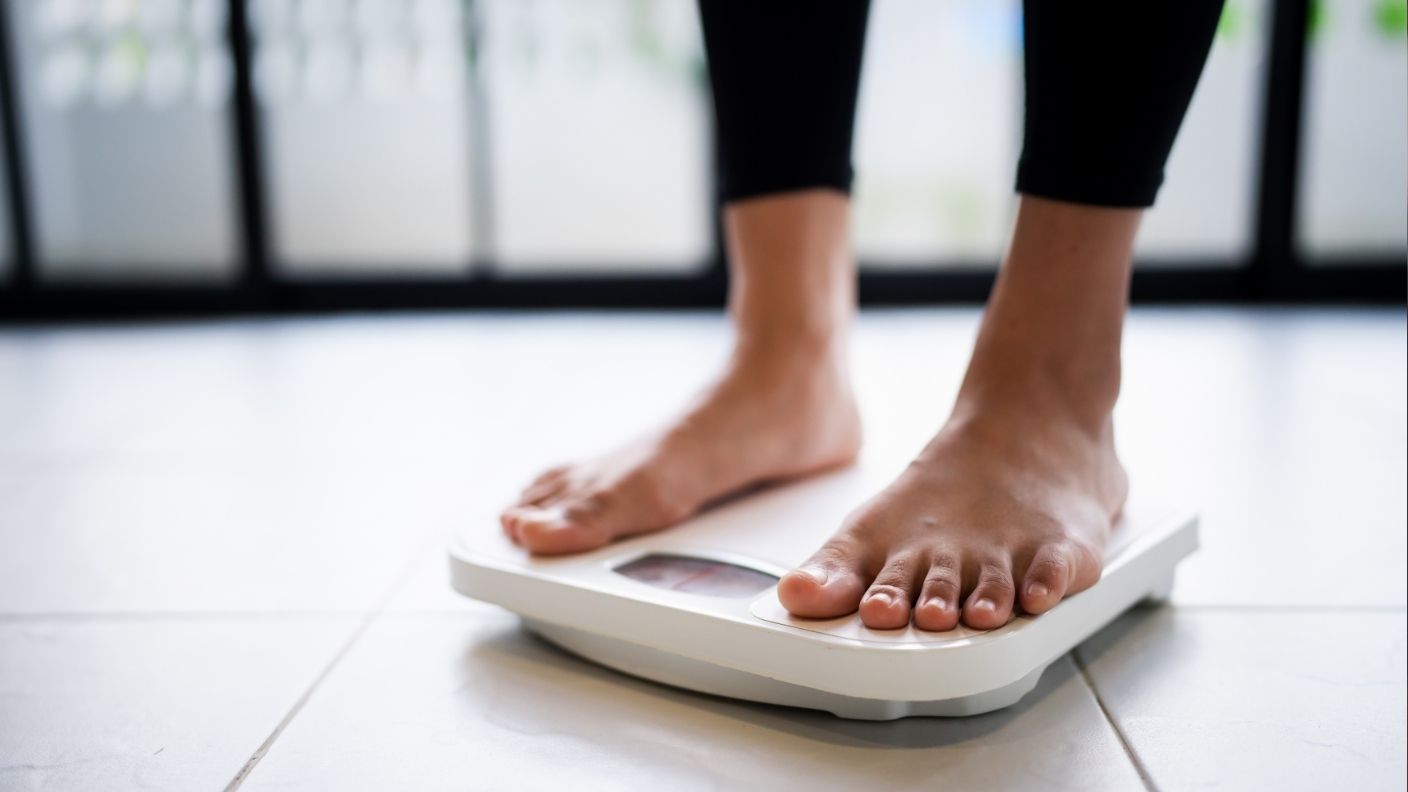

Plenty of weight loss plans look reasonable on paper and still don’t move the scale. One everyday food shows up in more of those stalled cases than people expect.
Salad Dressing Is Doing More Damage Than the Salad
A salad feels like the safe choice, but a few tablespoons of a store-bought dressing can carry more calories than the vegetables underneath. Creamy dressings in particular are often built on oil, sugar, and thickeners that add up fast.
Two or three tablespoons is easy to exceed without noticing, especially when it’s poured rather than measured. A meal that looks light on the plate can end up calorically similar to something far heavier.
Flavored Yogurt Hides a Surprising Amount of Sugar
Plain yogurt and flavored yogurt look nearly identical on a shelf, but their sugar content often isn’t close. Many flavored varieties carry as much added sugar as a small dessert, despite being marketed as a health food.
That extra sugar adds calories without much of the fullness protein-rich plain yogurt would otherwise provide. Reading the label rather than trusting the packaging is the only reliable way to catch it.
Granola Is Denser Than It Looks
A handful of granola looks modest, but it’s usually packed with oil and sugar that make it far more calorie-dense than raw oats. A quarter-cup serving, which is smaller than most people actually pour, can already carry a few hundred calories.
Sprinkled generously over yogurt or eaten by the handful, portions creep upward quickly without registering as a real addition to the day’s total.
Nut Butter Is Healthy in Small Amounts, Not Large Ones
Peanut and almond butter are calorie-dense by nature, since they’re concentrated fat from a whole food. A tablespoon adds up fast, and most people spreading it onto toast use closer to two or three without measuring.
That’s not a reason to avoid it, just a reason to actually track it. A food marketed as healthy can still derail a calorie target if the portion goes unchecked.
Restaurant Portions Reset What “Normal” Looks Like
Eating out regularly recalibrates a person’s sense of a normal portion, since most restaurant servings are larger than what a home-cooked plate would offer. That distortion carries over into how food gets served at home too.
Even healthy meals lose some of their benefit once portions quietly grow to match restaurant-sized expectations. Awareness of that shift matters more than any single ingredient swap.
Liquid Calories Rarely Get Counted the Same Way
Coffee drinks, juice, and flavored sparkling beverages add calories that don’t register the same way solid food does. A daily specialty coffee alone can carry several hundred calories without providing much fullness in return.
Because drinks don’t feel like “eating,” they’re one of the easiest categories to underestimate. Swapping even one sweetened drink a day for water or black coffee is often one of the simplest changes with a measurable effect.
RELATED ARTICLE: What to Do With Extra Peppers, Tomatoes, and Zucchini
